
How Often Do You Have To Empty A Septic Tank

Ah, the septic tank. It's the unsung hero, the silent workhorse, the
It's like asking how often you need to feed a teenager – the answer is always, "It depends, and probably more often than you think!" But don't worry, we're not talking about daily demands here. Let's dig into the dirt on septic tank maintenance with a smile.
The Big "It Depends" Factors
There's no one-size-fits-all answer, much like there's no single recipe for the perfect backyard barbecue. Several ingredients go into the septic tank "pumping frequency" stew:
Must Read
1. Your Household Size: The More, The Merrier (and Fuller!)
This one's pretty obvious, right? A single person living alone will put far less strain on a septic system than a bustling family of five with three teenagers who seem to shower for an hour each, twice a day. Think of your septic tank as a refrigerator. If it's just you, it might stay full for weeks. Add a hungry family, and suddenly you're grocery shopping every other day. More people equals more wastewater, simple as that.
2. Water Usage: Are You a Sprinter or a Marathoner?
Do you take quick, efficient showers, or do you luxuriate in a bubble bath worthy of a spa retreat? Do you run the dishwasher only when it's packed, or after every few dishes? Modern, water-efficient appliances are a septic tank's best friend. Older, water-guzzling models, however, can really speed up the rate at which your tank fills up with liquid, requiring the solids to settle more quickly. Every flush, every wash, every drop adds up!
3. Septic Tank Size: Bigger is Usually Better
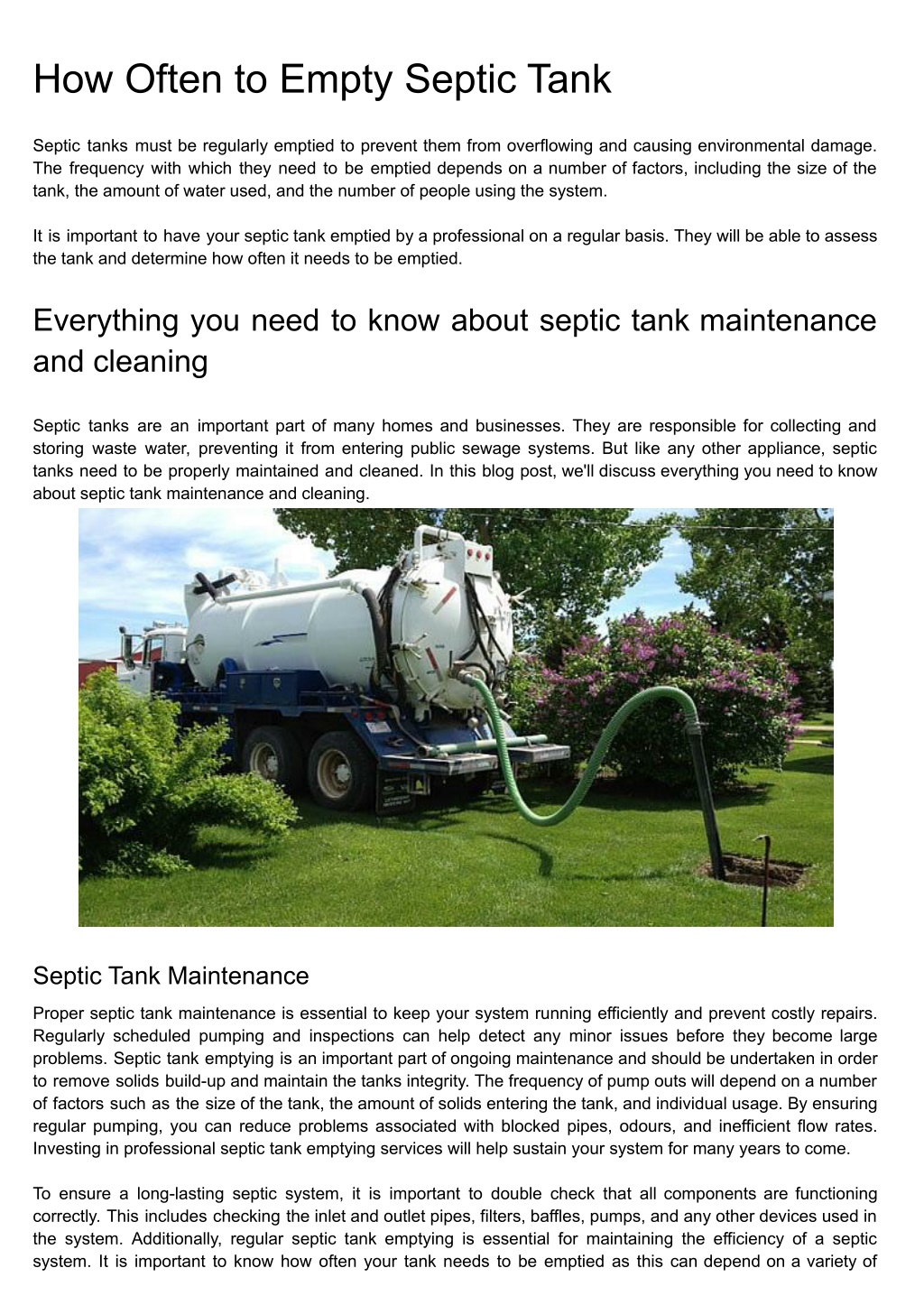
Just like a bigger gas tank in your car means fewer stops at the pump, a larger septic tank can handle more waste before it needs attention. If you've got a modest tank for a large family, you're going to be calling the pump truck more often than if you have a generously sized tank built for an army.
4. What Goes Down the Drain: The "Forbidden Fruit" List
This is where things can get truly chaotic. Your septic tank relies on a delicate balance of bacteria to break down solids. When you send things down the drain that these microscopic heroes can't handle, you're essentially gumming up the works and speeding up the need for a pump. We're talking about:

- "Flushable" wipes: Oh, the irony! These are the supervillains of the septic world. They might go down, but they don't break down, forming monstrous clogs.
- Grease and cooking oil: Like concrete for your pipes and tank.
- Coffee grounds and food scraps: Not great for the ecosystem down there.
- Chemicals and harsh cleaners: They kill the good bacteria, making your tank lazy and inefficient.
- Feminine hygiene products, dental floss, cotton balls: These are definite no-gos.
Treat your drains like a VIP entrance for water and human waste only, and your tank will thank you!
The Golden Rule of Thumb
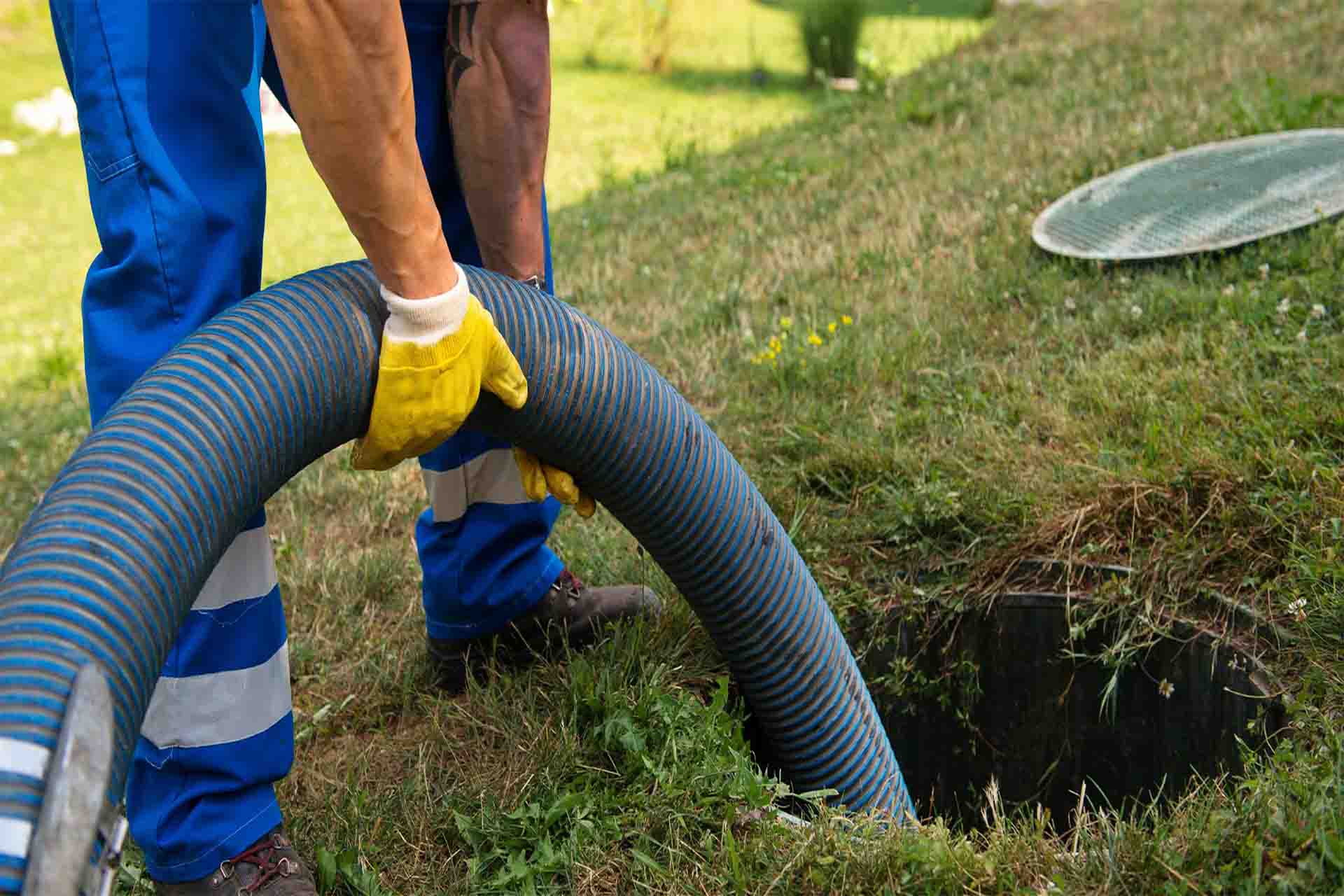
Generally speaking, for a typical household with responsible water usage and proper drain discipline, experts recommend having your septic tank inspected and pumped every three to five years. Yes, that's a range, because of all those "it depends" factors we just chatted about.
Think of it like getting your car's oil changed. You don't wait until the engine seizes; you do it preventatively. The same goes for your septic system. Proactive pumping is much, much cheaper than reactive disaster management!

Signs It Might Be Time (Before the Disaster Strikes!)
Your septic system isn't usually subtle when it's crying for help. Pay attention to these warning signals:
- Slow drains: If your sinks or tubs are taking their sweet time to empty, or your toilet gurgles ominously after flushing, that's a red flag.
- Nasty odors: A persistent smell of sewage inside or outside your home (especially near the septic tank or drain field) is a pretty clear indicator.
- Lush, green grass over the drain field: While green grass is usually good, an unusually vibrant, spongy patch of grass over your drain field could mean effluent is pooling too close to the surface. It’s like a giant, smelly, green welcome mat for trouble.
- Sewage backup: This is the ultimate, undeniable, "oh-crap" sign. Don't let it get to this point!
Don't Fear the Pumper!
Getting your septic tank pumped isn't the most glamorous item on your home maintenance checklist, but it's undoubtedly one of the most crucial. It ensures the longevity of your system, protects your property (and your nose!), and saves you from potentially expensive and highly unpleasant emergencies down the line.
So, take a moment to consider your household's habits, check your last pumping date if you have one, and when in doubt, call a professional. They're the experts who can tell you exactly what your silent underground hero needs. A little attention now means a lot of peace of mind later.