How Often Do I Need My Septic Tank Pumped
Alright, let's be honest. 'Septic tank maintenance' isn't usually top of the 'fun' homeownership list. But understanding your septic system is incredibly important for keeping your home running smoothly, your wallet happy, and your backyard pristine. Think of your septic tank as the unsung hero beneath your feet, and today, we're talking about its crucial routine: getting pumped!
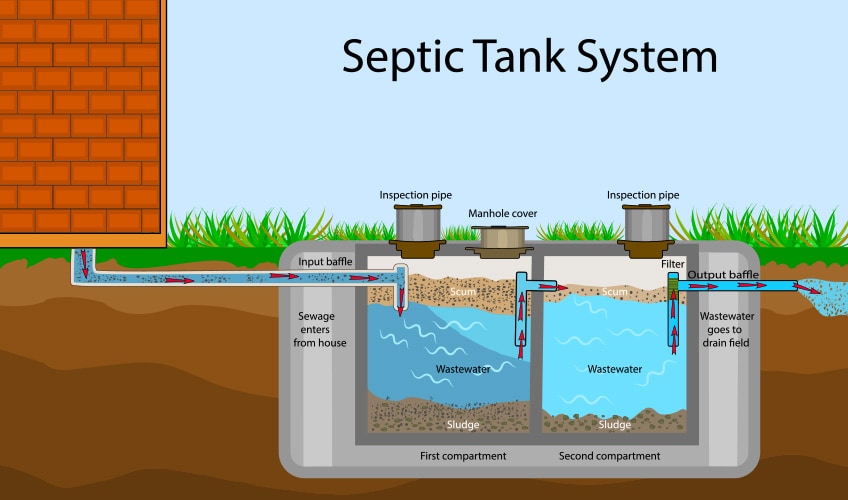
If your home isn't connected to a municipal sewer system, you've got a septic system – your very own mini, on-site wastewater treatment plant. All water from your home flows into this tank. Inside, solids settle (forming sludge), lighter materials like oils float (forming scum), and liquid wastewater (effluent) gets treated by bacteria before flowing into your drain field for natural dispersal.
Sounds efficient, right? It is! But there's a catch. While effluent leaves, sludge and scum stay behind, building up over time. Too much accumulation overflows into your drain field, leading to blocked pipes, saturation, foul odors, and ultimately, a failing system costing thousands to repair. That’s why regular pumping isn't just a suggestion; it’s a non-negotiable part of septic ownership.
Must Read
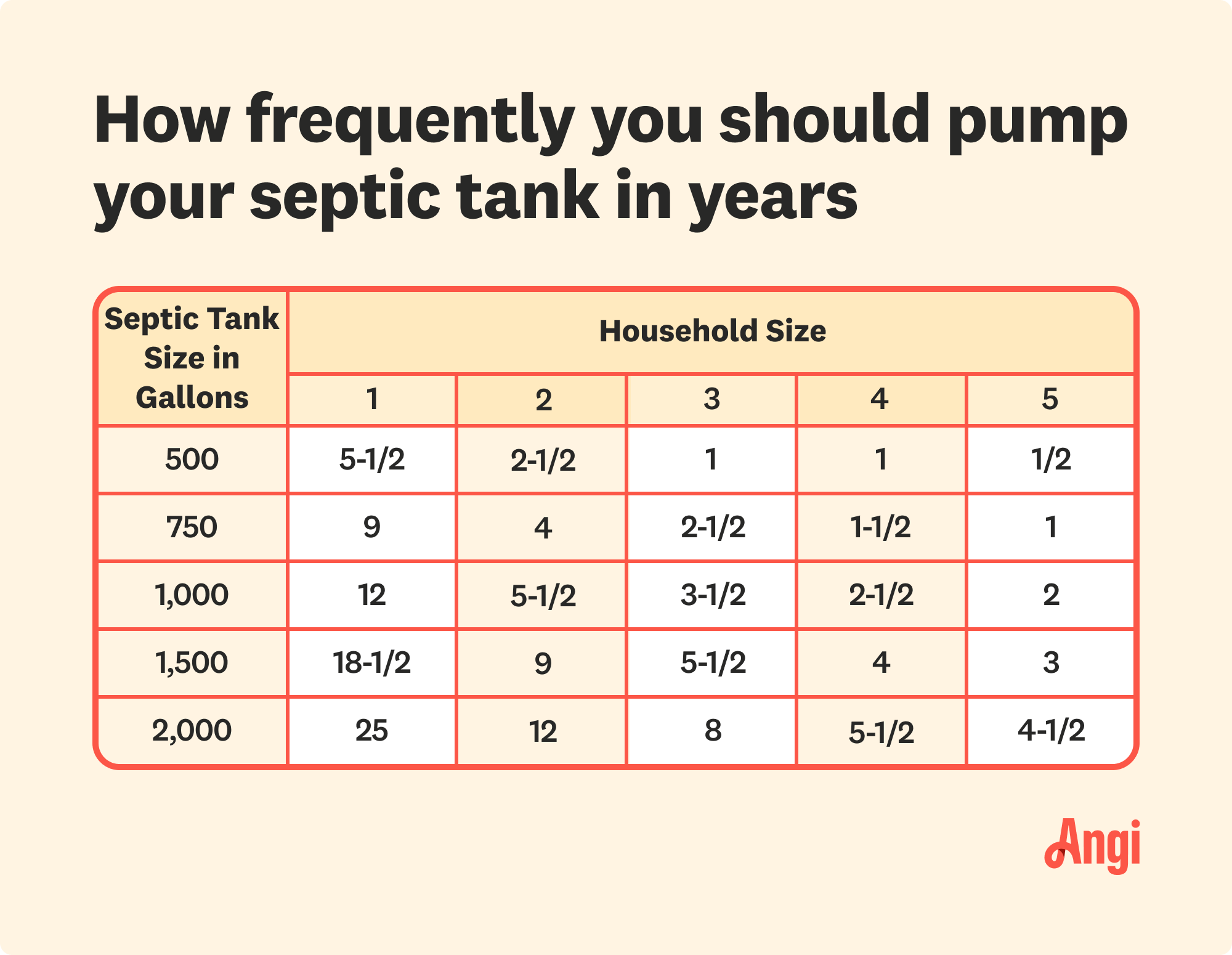
Now for the million-dollar question: How often do I need to pump my septic tank? The general golden rule is every three to five years. However, this isn't a one-size-fits-all answer. Your personal pumping schedule depends on several key factors:
• Household Size: More people means more water usage and waste. A busy family needs more frequent pumping than a single person.

• Tank Size: Larger tanks have more capacity for solids, potentially extending time between pumpings. Know your tank's size!
• Water Usage: High water usage can stir up solids and push them into the drain field prematurely.
• What Goes Down the Drain: This is huge! Flushing anything other than human waste and toilet paper (e.g., wet wipes, grease, harsh chemicals) disrupts bacterial balance and rapidly fills your tank. If it's not toilet paper or bodily waste, keep it out!
Adhering to a regular pumping schedule offers immense benefits: extending your septic system's lifespan, avoiding messy and expensive emergencies, protecting your family’s health, and preserving property value. It’s true peace of mind!

But what if you suspect an issue? Look for warning signs: slow drains or backups, foul odors inside or near the tank/drain field, or unusually lush, green patches or standing water over your drain field. These are cries for help!
So, while 'septic tank' might not be your favorite dinner party conversation starter, you now see the incredible value in understanding its rhythms. Regular septic pumping isn't a chore; it's an investment in your home's health, your financial well-being, and the environment. Be proactive, know your system, and give your unsung hero the attention it deserves. Your home (and your nose!) will thank you!