
How Often Change Carbon Monoxide Detector
Ah, the humble carbon monoxide detector. It sits there, often unnoticed, blend- ing into the wall or ceiling. A silent guardian, a technological sentinel in our homes. We know it's important, really we do.
But let's be honest with ourselves for a moment. When was the last time you truly thought about your CO detector? Not when it chirped angrily at 3 AM because of a dying battery. No, I mean, truly thought about it.
The Great Detector Mystery
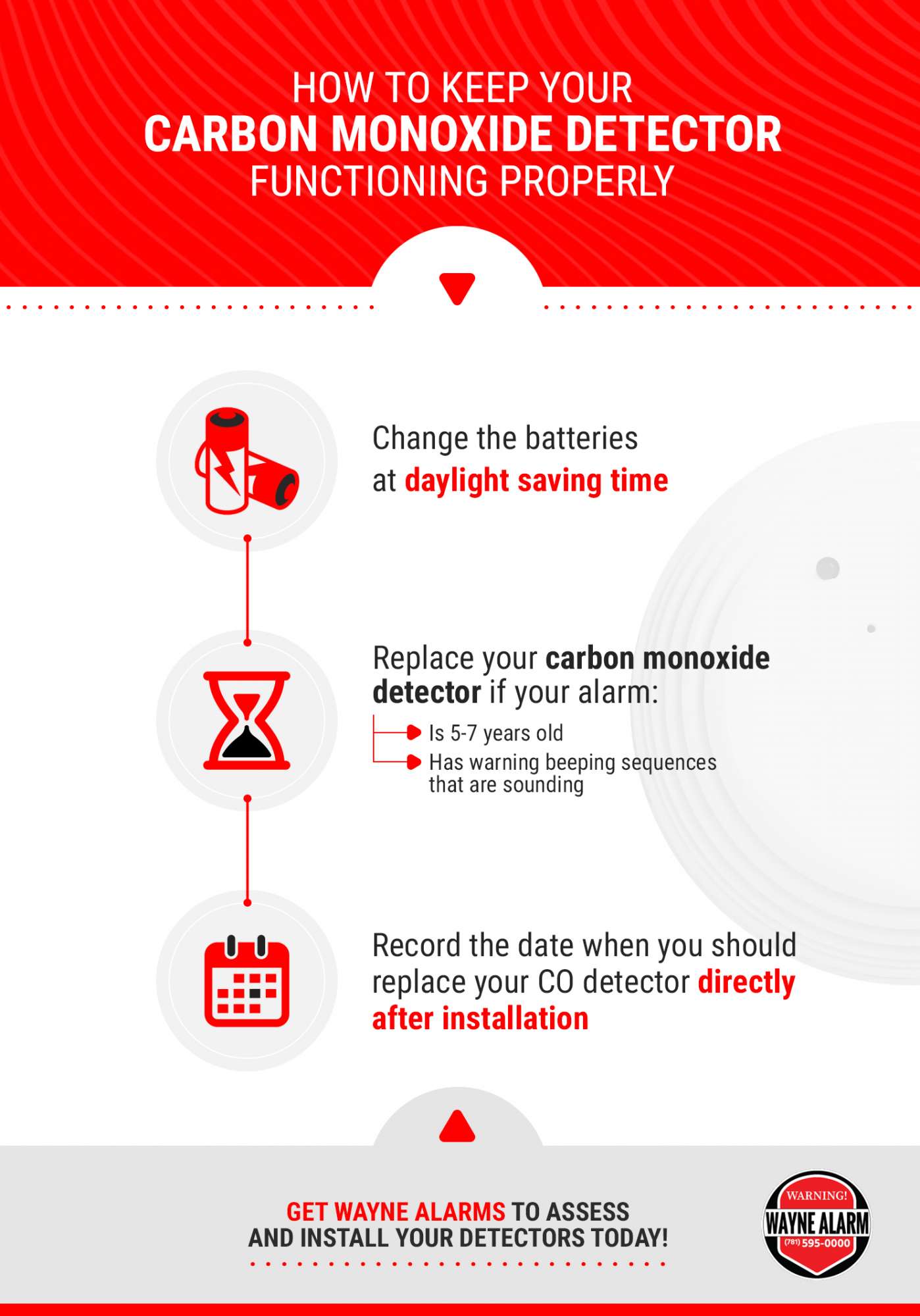
These little heroes have a lifespan, you see. The experts, the smart folks who design them, suggest a replacement every five to seven years. Sometimes even ten years, depending on the specific model. That's the official word, etched into tiny print on the back of the device.
Must Read
But who among us actually remembers this intricate detail? Do we have a special calendar entry for "CO detector swap day"? A little alarm set for "time to replace the silent killer's buddy"? Probably not, right?
It's like an unspoken rule of homeownership. We know certain things need attention. We change lightbulbs, eventually. We clean the gutters, begrudgingly. But the carbon monoxide detector? That's a different beast entirely.
The Annual Inspection That Never Was
Imagine setting a yearly reminder. "Check CO detector expiration date!" It sounds responsible, almost admirable. Yet, for many of us, that reminder likely gets snoozed. Or worse, it never even gets set.
We probably give it a quick glance. Is it still on the wall? Yes. Is it blinking its little green light contentedly? Yes. All clear then, right?
This is where my "unpopular opinion" playfully winks at you. I suspect, deep down, most of us treat the carbon monoxide detector more like a trusty old armchair. It's there, it works, until it absolutely, undeniably doesn't anymore.

The Chirping Chronicles
The true moment of reckoning often arrives with a series of annoying beeps. A chirp, then silence. Then another chirp, demanding attention. This is usually the battery, the culprit behind many a sleepless night.
But sometimes, just sometimes, those insistent beeps mean something else. They mean the detector itself is tired. It's signalling its own retirement. "I've served my time," it seems to whisper, "please, for the love of all that is quiet, replace me!"
"The carbon monoxide detector's expiry date? That's future-me's problem!"
And then the frantic Google searches begin. "Why is my CO detector beeping?" Is it the battery? Is it truly the end of its life? The tiny manual, long lost to the ether, would have the answers. Alas.
Finding that expiry date is a quest in itself. It’s often molded into the plastic on the back. You need to take the whole unit down. Then you need good lighting and perhaps reading glasses. "Manufacture date: 2015." Gulp.
A Silent Judgment
It feels like the detector itself is judging us. "You had one job, human," it silently accuses, "to check my birthday." Meanwhile, it's just been hanging there, diligently sniffing the air, all these years.

We often replace the batteries, hoping that fixes everything. It's the path of least resistance, after all. A fresh set of AAs, and the beeping stops. Crisis averted! For now.
But the internal sensor, the very heart of the device, is still aging. It degrades over time. It becomes less effective. And that's the real, slightly less humorous truth behind the "replace every five to seven years" rule.
The "It Still Looks Fine" Logic
Here's another relatable thought process. "It looks perfectly fine! It's not cracked. It's not falling off the wall. Why would I replace it?" It's a common human tendency, this "if it ain't broke" mentality.
We apply it to so many things. Old car? Still runs. Faded couch? Still comfy. Slightly outdated phone? Still makes calls. The CO detector falls right into this category for many of us.
And let's not forget the sheer number of them. Most homes need several. One on each level. Near bedrooms. Replacing them all at once can feel like a small investment. A perfectly understandable reason for procrastination.
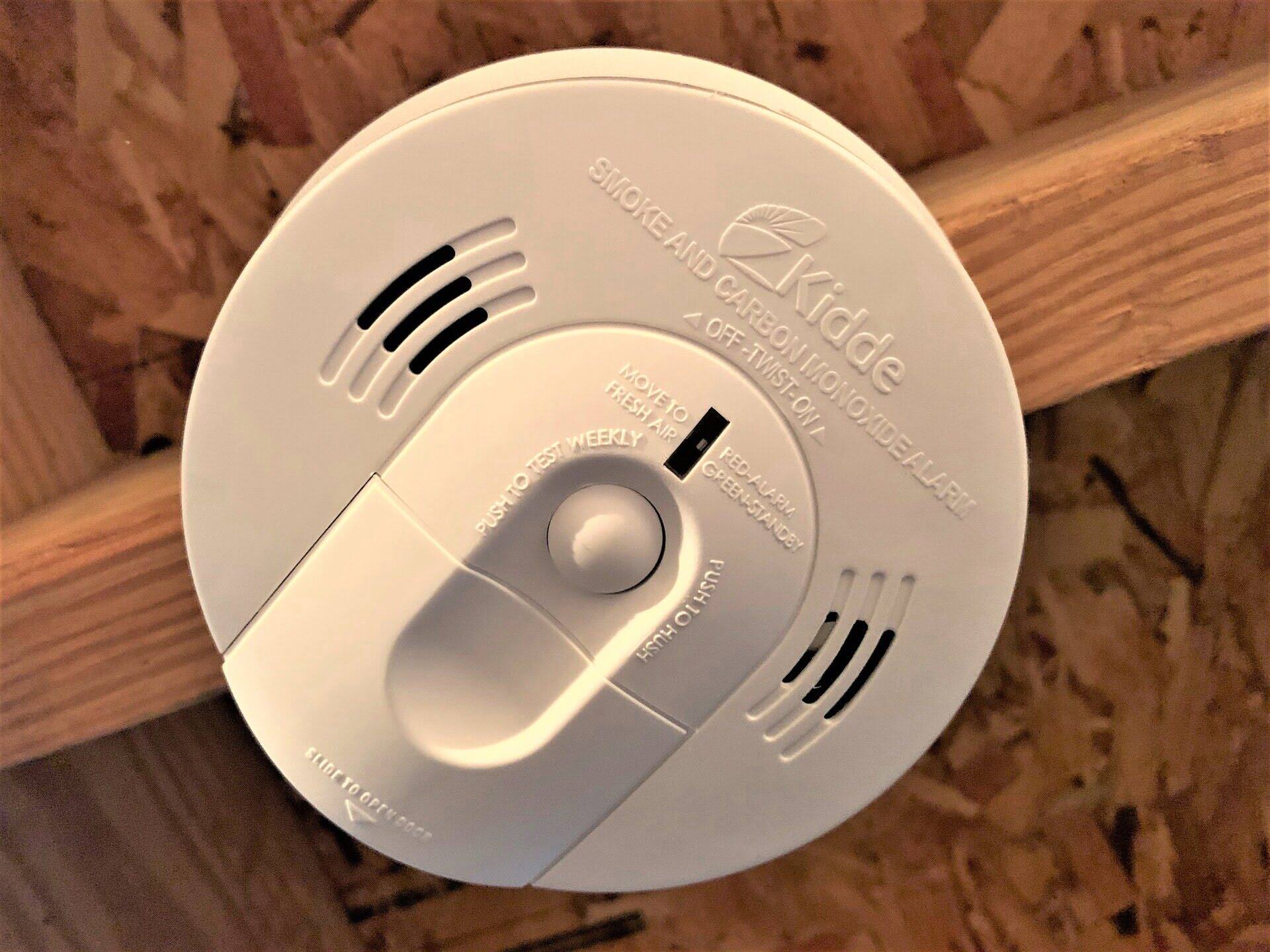
"Out of sight, out of mind, until it screams at you at 3 AM."
The Collector's Item Detector
Some of our detectors might even be approaching antique status. A vintage model, still proudly blinking its green light. A testament to its robust construction, perhaps. Or perhaps a gentle reminder that time truly flies.
We probably change our smoke detector batteries more often. Those things are so loud, so insistent! The CO detector, however, often lives a quieter, more understated life. Until it doesn't.
It's easy to forget about things that don't constantly demand our attention. Like that forgotten box of holiday decorations in the attic. Or the expiration date on the mayonnaise in the fridge. Oh, wait, maybe not the mayo.
So, What's the Real Deal?
Real talk, for just a second: they are important. Carbon monoxide is a silent, odorless killer. So even if we joke about it, these devices save lives. We really should pay attention.
But perhaps we don't need to be quite so hard on ourselves about the exact five-year mark. Maybe we aim for "around that time." Or when the inevitable chirping begins and we realize it's not just the battery this time.

My playfully "unpopular opinion" is this: most of us change our carbon monoxide detectors when they absolutely force us to. When the little sensor inside finally gives up the ghost, or when the entire unit begins its end-of-life serenade.
A Collective Nod
And you know what? That's probably okay. As long as we do eventually replace them. As long as we respond to that final desperate plea for retirement. We're all busy, after all.
So the next time you hear that distinctive beep, whether it's for a battery swap or a full replacement, don't just sigh. Give a little nod of respect to your trusty CO detector. It's been diligently watching over you.
And maybe, just maybe, take a peek at that date on the back this time. Or don't. Future you will handle it, right? Wink, wink.
Ultimately, these devices serve a critical purpose. But our relationship with their expiration dates is wonderfully, universally human. It's a mix of good intentions, mild forgetfulness, and a reliance on their eventual nagging.
So embrace the slightly chaotic reality of home maintenance. Know your CO detectors are there. And when they finally demand their pension, answer the call. You're doing great, homeowner.