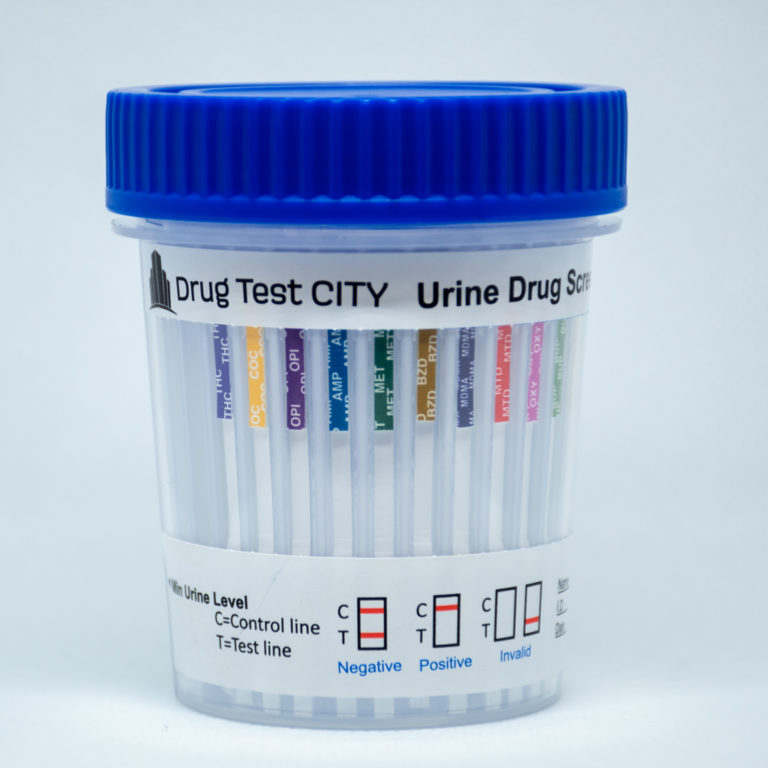
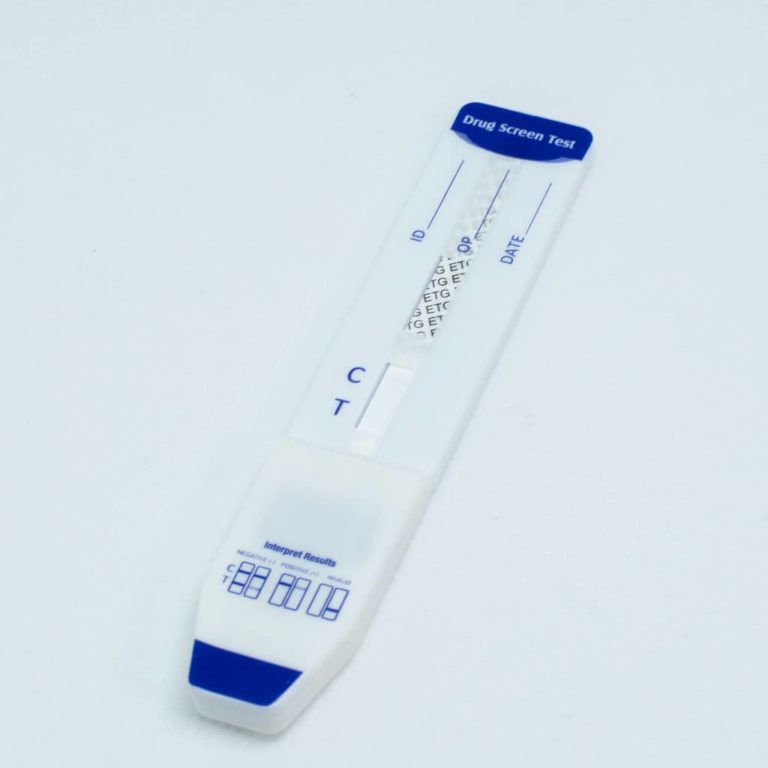
How Much Water To Dilute Urine For Drug Test

Okay, let's talk about something that might seem a little…unconventional. We're diving into the world of urine dilution and drug tests. Now, before you click away, hear me out! This isn't about encouraging anything illegal. Instead, we're exploring the science and realities surrounding a topic that many people find themselves curious about, or even needing to navigate. Whether you're a student facing random testing, an athlete worried about supplement interactions, or just plain curious, understanding this stuff can be surprisingly useful.
So, why dilute? The basic idea is to lower the concentration of drug metabolites in your urine to potentially fall below the detection threshold of a drug test. Now, let's be crystal clear: this is not a guaranteed method, and attempting to cheat a drug test can have serious consequences, depending on the situation. But understanding the principles at play allows you to make informed decisions, whatever your personal reasons may be. For example, for a beginner, knowing what factors can affect a drug test result is useful, from hydration levels to the types of medications or supplements taken. For families, this knowledge can open conversations about responsible substance use and the implications of testing. And for hobbyists interested in the human body, it's an interesting look at how our kidneys function and how drug testing works.
Now for the science. Drug tests typically look for specific metabolites, which are the breakdown products of drugs. Dilution aims to decrease the concentration of these metabolites below the level the test can detect. This is usually achieved by consuming large amounts of water. However, simply chugging gallons of water right before a test is a risky move. Labs are wise to this and will look for signs of dilution, like low creatinine levels (a waste product normally found in urine) and abnormal specific gravity (the concentration of dissolved particles).
Must Read
So, what are some variations people consider? Some suggest adding electrolytes to the water, like sports drinks, to help maintain normal electrolyte balance and avoid being flagged for dilution. Others recommend taking creatine supplements for a few days before the test, as creatine is metabolized into creatinine, potentially boosting creatinine levels in diluted urine. However, again, these are not foolproof methods, and labs have ways of detecting these techniques.
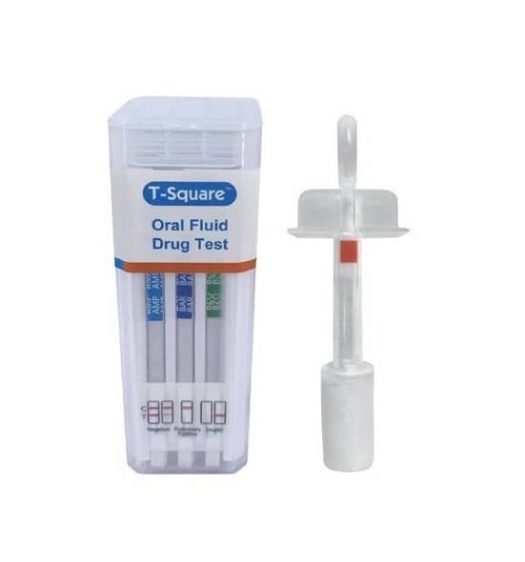
Here are some simple, practical tips to keep in mind. First and foremost, be aware of the consequences of tampering with a drug test. Always consider the legal, professional, and personal ramifications. If you are worried about failing a test, consider seeking professional help or consulting with a healthcare provider. Second, if you choose to hydrate heavily, do it gradually over a few days leading up to the test, not all at once. Third, be mindful of electrolytes – sports drinks can help, but moderation is key. And finally, understand that many drug tests include checks for dilution, and labs are constantly improving their detection methods.
Ultimately, understanding the science of urine dilution can be a fascinating, albeit slightly taboo, topic. While it's crucial to acknowledge the risks and ethical considerations, gaining knowledge about how our bodies process substances and how drug tests work can be surprisingly empowering. Whether you're simply curious or facing a real-world situation, being informed is always the best approach. Just remember to proceed with caution and prioritize ethical decision-making.