How Much To Run Electricity To A House
Ever wondered what it really takes to bring electricity to a house? It's not just flipping a switch, that's for sure! Understanding the process, and even a little bit about the costs involved, can be surprisingly empowering. We're constantly surrounded by electricity, powering our lives from morning 'til night. Knowing where it all comes from – and how it gets to us – can make you a more informed homeowner, a savvy renter, or just someone who appreciates the modern comforts we often take for granted. Plus, if you're ever considering building a home, adding an outbuilding, or even just upgrading your service panel, a basic understanding of these costs is absolutely essential.
The purpose of running electricity to a house is simple: to provide a safe and reliable source of power for all your electrical needs. This includes everything from lighting and appliances to heating and cooling systems, and of course, charging all our beloved devices. The benefits are undeniable. Electricity allows us to live comfortably, work efficiently, and stay connected to the world. Imagine trying to accomplish daily tasks without the convenience of electric lighting, refrigerators, or computers. It's a thought that makes you appreciate the complex systems that keep the lights on!
In education, this topic can be a fantastic way to teach kids about circuits, energy sources, and the importance of infrastructure. Simple demonstrations involving batteries, wires, and light bulbs can visually illustrate the basic principles of electricity. Furthermore, understanding where our electricity comes from can spark discussions about renewable energy and conservation. In daily life, knowledge of electrical costs can help you make informed decisions about energy consumption. For example, understanding the costs associated with higher amperage service can help you determine whether upgrading your service is truly necessary for your needs. Perhaps you could implement energy-saving strategies instead!
Must Read
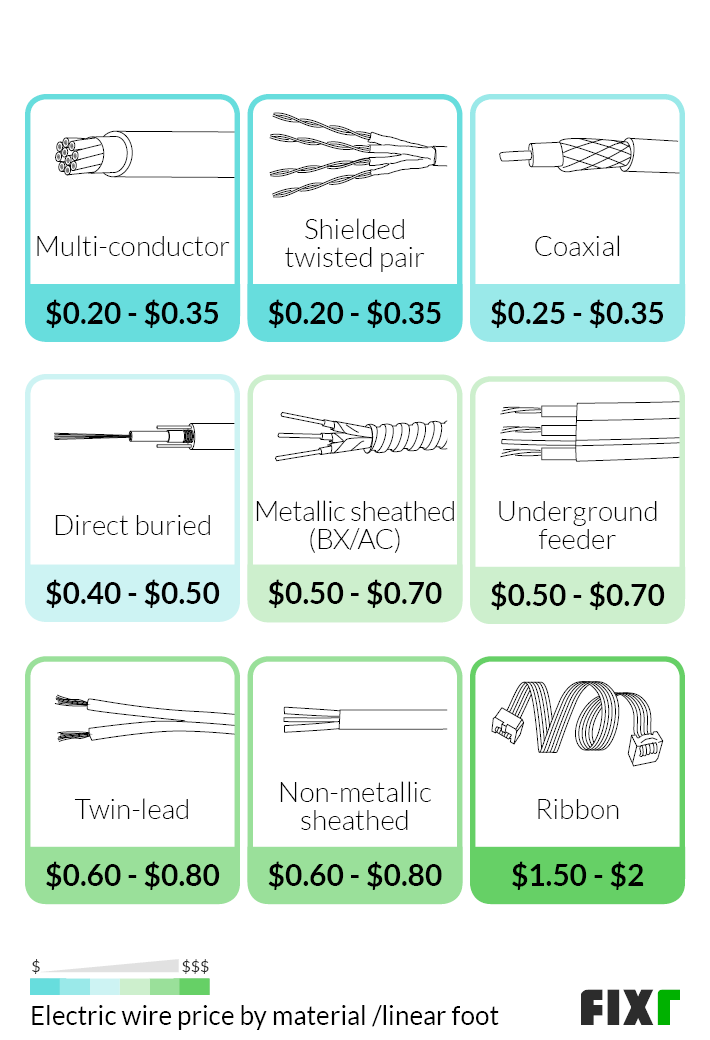
So, how much does it cost to run electricity to a house? The answer, unfortunately, is "it depends." Several factors influence the final price tag. Distance is a major one. The further the house is from the existing power grid, the more expensive it will be. Trenching costs can add up quickly, especially if you're dealing with rocky or uneven terrain. The size of the electrical service needed is another critical factor. A small cabin requiring minimal power will cost significantly less than a large family home with numerous appliances and high-demand electrical systems. Also, consider permitting fees, which vary widely depending on your location, and the labor costs associated with hiring a qualified electrician. Finally, the materials, like wiring, conduit, and transformers, contribute significantly to the overall expense.
Practical tips? Always get multiple quotes from licensed and insured electricians. Don't be afraid to ask questions and understand exactly what you're paying for. Explore options for burying the electrical lines yourself (with proper permits and inspection, of course!) to save on labor costs. Research local rebates and incentives for energy-efficient upgrades. To explore this topic further, contact your local utility company. They often have detailed information about connecting to the grid and can provide cost estimates. You can also find numerous online resources and calculators to help you estimate the cost of running electricity to a property. Understanding the process and the factors that influence cost can save you a lot of money and stress in the long run. Remember, a little knowledge can be a powerful thing, especially when it comes to something as crucial as electricity!