How Much Taxes Are In A Gallon Of Gas
Picture this: You’re at the gas pump, phone in hand, watching those digits on the meter spin faster than a hamster on a caffeine buzz. Your wallet feels a little lighter with every gallon, and you sigh, maybe grumbling a bit about the price of gas these days. We’ve all been there, haven’t we? That moment of financial dread as you watch your hard-earned cash disappear into your fuel tank.
But have you ever really paused to wonder, beyond the price of crude oil and the gas station’s profit, what exactly makes up that final number on the screen? Who else is getting a slice of that pie, besides the oil baron in a fancy suit (probably)?
Well, buckle up, buttercup, because we're about to dive into the not-so-secret world of gasoline taxes. That’s right, a pretty significant chunk of what you pay at the pump isn't just for the fuel itself, but for good old Uncle Sam and his state-level cousins.
Must Read
The Federal Slice of the Pie
Let's start at the top, shall we? The federal government has its hand in your gas tank. Currently, the federal excise tax on gasoline is a flat 18.4 cents per gallon. Yep, every single drop of regular unleaded you pump contributes 18.4 cents to federal coffers. And for diesel? It's even higher, at 24.4 cents per gallon. Ouch.
Now, you might be thinking, "What are they doing with my 18.4 cents?" Good question! Most of this money, historically, goes into the Highway Trust Fund. This fund is crucial for maintaining, repairing, and building our nation's roads, bridges, and public transportation systems. So, while it stings a bit, that pot-hole you swerved around last week? Your tax money theoretically helps fix it. Or, you know, funds studies on why pigeons cross the road.

The State-by-State Rollercoaster
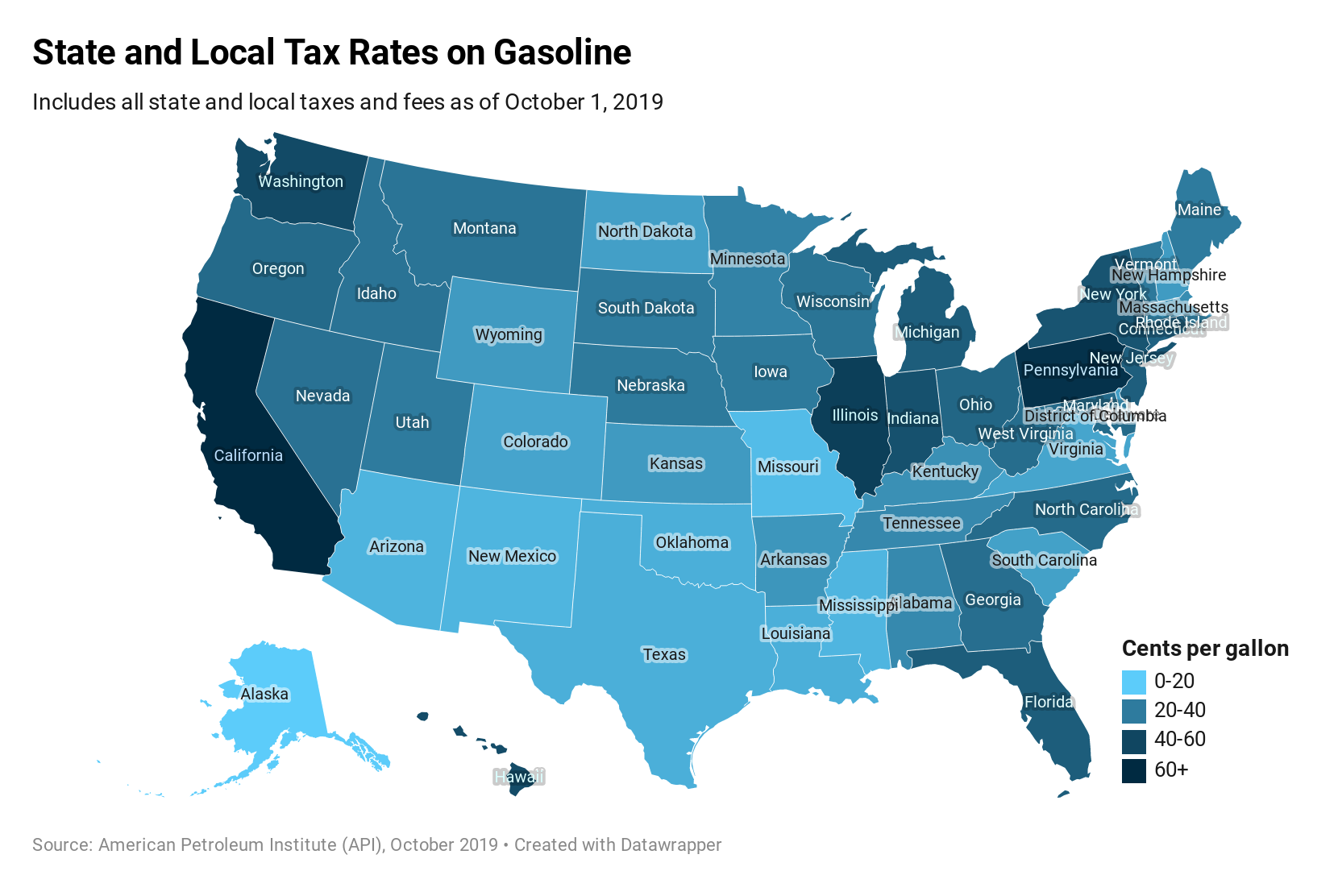
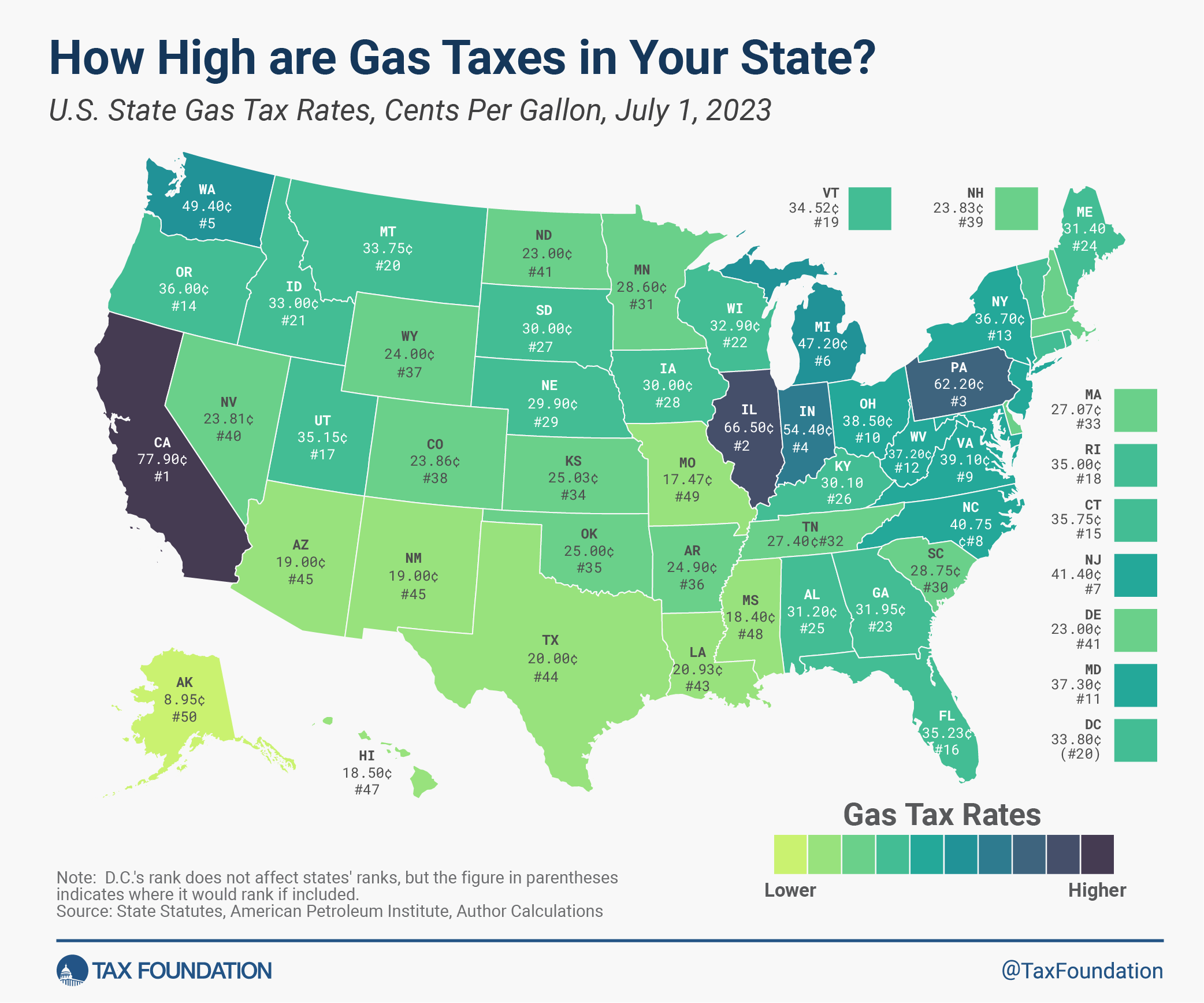
If the federal tax is a steady, predictable hum, state taxes are like a wild rollercoaster ride. This is where things get really interesting – and often, a lot more expensive. Each state sets its own gasoline tax rate, and let me tell you, these rates vary wildly across the country.
You could be filling up in, say, California, where you're paying upwards of 50 cents per gallon in state taxes alone. Then you drive a few states over to, say, Missouri, and their state tax might be around 17 cents per gallon. That's a huge difference, isn't it?
Why such a disparity? Well, states use these taxes for similar purposes to the federal government – roads, bridges, infrastructure. But they also might earmark funds for specific state projects, environmental programs, or even just general state budgets. Some states with older infrastructure or more extensive road networks tend to have higher gas taxes to cover those maintenance costs. Others might have higher taxes due to population density or specific geographical challenges. It’s a complex beast, to say the least!

And it's not just a simple per-gallon tax either. Some states throw in additional fees, like sales taxes applied to the total purchase price of gas, environmental impact fees, storage tank cleanup fees, or even local municipality taxes. So, what you see as "state tax" on a breakdown might actually be a cocktail of different charges. It’s like a layered drink, but instead of deliciousness, it’s just more money out of your pocket.
So, How Much Are We Talking?
Let's do a quick, rough calculation. If you're in a state with a high state tax, let’s say around 50 cents, and you add the federal 18.4 cents, you’re already looking at nearly 70 cents per gallon going straight to taxes. And that's before any local or other sneaky fees creep in!

Think about it: fill up a 15-gallon tank, and you could easily be paying over ten dollars in taxes alone. Ten bucks! That’s a fancy coffee, a decent lunch, or a small contribution to your "escape to a tax-free island" fund.
Beyond the Numbers: The Why
It’s easy to get frustrated by these numbers, and believe me, I get it. Nobody likes paying more. But it's also worth remembering that these taxes, for all their sting, fund essential services that most of us rely on daily. The roads you drive on to get to work, the bridges that connect communities, the infrastructure that keeps goods moving – much of it relies on these gas taxes.
So, the next time you're at the pump, watching the numbers climb, take a tiny moment to acknowledge the silent partners in your transaction. You're not just buying fuel; you're also chipping in for the world around you. And who knows, maybe that thought will make the sticker shock just a tiny bit less painful. Or not. But at least now you know!