
How Much Slower Dows Mesh Wifi Extender Slow Internet Speed
Hey there! Pull up a chair, grab a metaphorical (or real) coffee. So, you're wrestling with the age-old question, huh? You’re wondering if that fancy mesh WiFi system you've been eyeing, or maybe even already bought, is secretly a digital speed vampire, sucking the life out of your internet connection. It’s a totally valid question, and honestly, a common fear. Let's spill the beans, shall we?
We've all heard the horror stories about regular WiFi extenders, right? Those little gadgets you plug into an outlet, promising to banish dead zones but often delivering a signal so weak you wonder if it's just waving a white flag instead. The kind that makes you want to throw your laptop across the room when your video call freezes mid-sentence. Those are often the culprits for truly frustrating slowdowns.
The Nitty-Gritty: Extenders vs. Mesh (Why This Distinction Matters)
Okay, first things first, let's clear up some confusion. There's a big difference between a traditional WiFi extender (or repeater) and a mesh WiFi system. And understanding this difference is key to understanding the speed game.
Must Read
Think of a traditional extender like a game of "telephone" – but with WiFi. Your main router whispers the signal to the extender, and the extender then shouts it out again. The problem? It can only do one thing at a time. It's either listening or talking. This "half-duplex" communication means it often has to cut its bandwidth in half just to perform its job. So, if you're getting 100 Mbps from your router, that extender might only deliver 50 Mbps, even less with signal loss. Ouch.
Now, a mesh system? That's a whole different beast, a much smarter one. Imagine a team of tiny, super-efficient WiFi agents strategically placed around your house. They're all working together, creating a single, seamless network. You walk from room to room, and your devices automatically hop to the strongest signal without you even noticing. Smooth sailing, baby!

What Makes Mesh Tick (or Tock... Slowly?)
So, does this clever mesh magic mean zero slowdown? Well, not always zero, but usually significantly less than those old extenders. The potential for slowdown in a mesh system boils down to a few key things.
The biggest factor is something called the backhaul. This is the secret handshake, the invisible highway, that the mesh nodes use to communicate with each other and, ultimately, with your main router. Sometimes, this backhaul is a dedicated wireless band (like a third WiFi band just for node-to-node communication, not your devices). This is awesome because it keeps your regular WiFi bands free for your gadgets.
Other times, especially on more budget-friendly mesh systems, the backhaul might share the same wireless bands as your devices. If that's the case, yes, there could be a bit of congestion, and thus, a slight slowdown, particularly if you're pushing a lot of data through it. But even then, modern mesh systems are pretty good at managing this traffic.
And the gold standard for backhaul? A wired Ethernet connection between your mesh nodes. If you can plug your nodes into a wall outlet that leads back to your main router, you're basically creating a superhighway for your data. In this scenario, slowdowns are almost non-existent because the WiFi part is only for the "last mile" to your device.
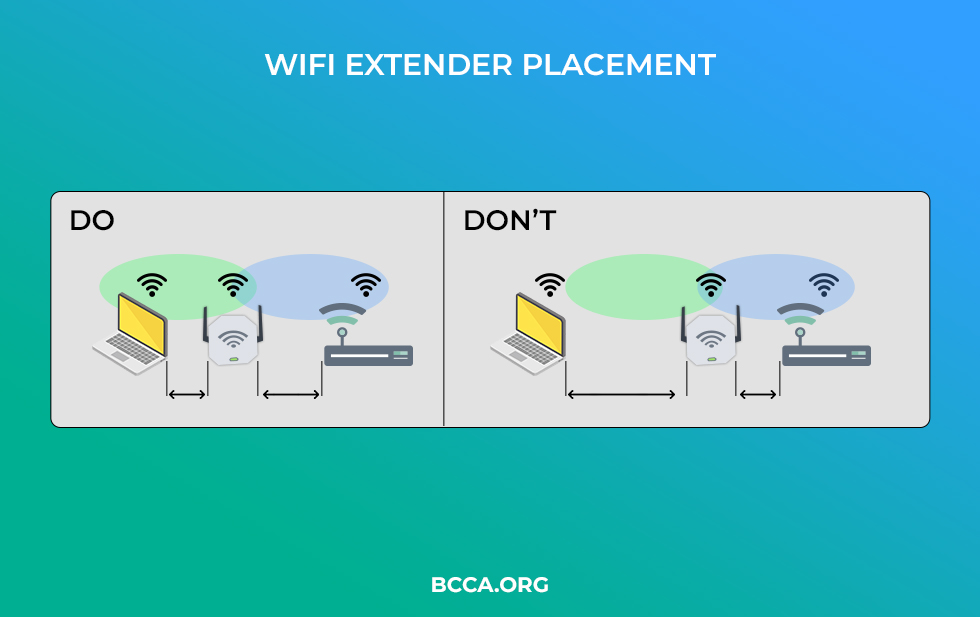
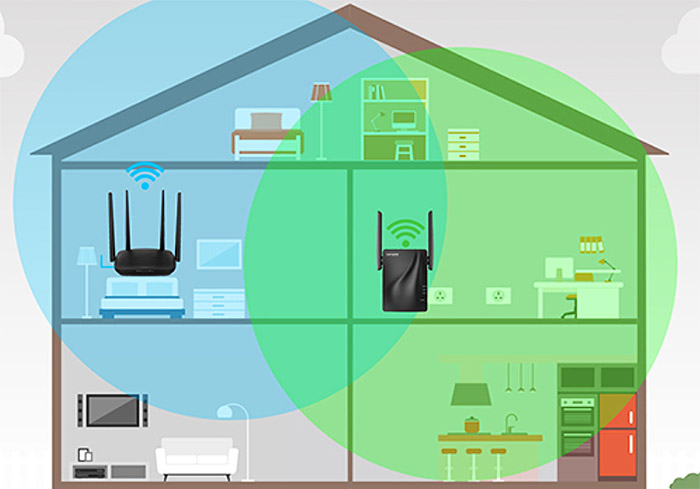
Placement also plays a huge role, my friend. Plonk a node behind a concrete wall or too far from the main router, and it's like asking someone to whisper across a football field. The signal gets weak, and performance drops. Good placement means stronger connections between nodes, which means better overall speed for you.

So, Will My Netflix Buffer? (The Real Question)
Alright, let's get down to brass tacks. Will a mesh system slow down your internet speed? The honest answer is: it might slightly reduce the absolute peak speed you'd get if you were sitting right next to your main router with a direct line of sight. But here's the crucial part: it significantly improves the usable speed and stability across your entire home. Instead of blistering speeds in one room and a digital desert in another, you get reliably strong WiFi pretty much everywhere.
Think about it. Would you rather have 500 Mbps in your living room and 5 Mbps (or nothing!) in your bedroom, or a consistent 200-300 Mbps across your entire house? For most people, that consistent, widespread coverage is a total game-changer. Your Netflix won't buffer in the bedroom, your video calls won't drop in the kitchen, and your smart home devices will actually, you know, work.
The perceived slowdown often comes from a few things: maybe your primary internet connection isn't that fast to begin with (a mesh system can't magically create more bandwidth than your ISP provides!), or perhaps your nodes aren't optimally placed. But the mesh itself isn't inherently designed to halve your speed like those old-school extenders.

The Bottom Line, My Friend
So, should you fear the mesh? Absolutely not! Mesh WiFi systems are a fantastic solution for banishing dead zones and getting reliable internet everywhere in your home. They are engineered to minimize the typical speed penalties associated with extending a wireless signal.
While you might not always see the exact same speed at the furthest node as you do right next to your main router, the drop is usually manageable and far less dramatic than with traditional extenders. And crucially, the consistency and coverage you gain are often well worth any minor theoretical speed hit. If you can use a wired backhaul for your nodes, you're golden. If not, a good tri-band mesh system is still miles ahead.
So go ahead, embrace the mesh! Your devices (and your sanity) will thank you for it. Just remember to place those nodes wisely, and you'll be surfing the web like a champ, no matter which room you're in. Cheers!