
How Much Kwh Does A Tv Use

Ever just kicking back on the sofa, remote in hand, lost in a captivating movie or binge-watching your favorite series? It’s peak relaxation, right? But then, sometimes, a little thought might sneak into your head: "How much juice is this thing actually sucking from the wall?"
It’s a natural curiosity! We live in a world surrounded by gadgets, and understanding a tiny bit about how they operate, especially when it comes to energy, can be surprisingly cool. So, let’s dive into the wonderfully chill world of TV power consumption, without getting bogged down in super technical jargon.
Watts, kWh, and Why We Care
First things first, let’s clear up a couple of terms that sound a bit like something from a sci-fi movie. When we talk about how much power an appliance uses at any given moment, we’re talking about Watts (W). Think of Watts like the speedometer in your car – it tells you how fast you’re going right now.
Must Read
But your electricity bill doesn't charge you for how fast you're going; it charges you for how far you've traveled! That's where kilowatt-hours (kWh) come in. A kWh is simply 1,000 Watts used for one hour. This is the unit your electricity company uses to calculate your bill. So, when we ask "How much kWh does a TV use?", we're really asking, "How much does my TV contribute to my electricity bill?"
What Makes Your TV Thirsty?
Not all TVs are created equal when it comes to power consumption. Several factors play a role, making each TV's energy footprint unique. It’s a bit like comparing different cars – they all get you from A to B, but some are more fuel-efficient than others.
The Big Picture: Screen Size and Technology
This one's pretty intuitive: the bigger the screen, the more energy it generally uses. More screen means more pixels to light up, simple as that. A 75-inch behemoth will naturally consume more power than a cozy 32-inch set.
Then there's the underlying technology. Older LCD TVs often use more power than modern LED TVs, which are essentially LCDs backlit by more efficient LEDs. And then there's OLED (Organic Light-Emitting Diode) – these are often super efficient because each pixel generates its own light. When a scene is black, those pixels are literally off, saving energy! It’s like a tiny light show where every performer has their own switch, rather than one big stage light for everyone.
Brightness, Settings, and What You’re Watching
This is a biggie! Cranking up the brightness on your TV is like pressing harder on the gas pedal. The brighter the image, the more energy it requires. Many TVs also come with various "picture modes" (like Vivid, Standard, Cinema, or Eco). Eco modes are specifically designed to reduce energy consumption, often by dimming the backlight slightly.
Even the content itself matters! Watching a dark, moody thriller with lots of deep blacks will generally use less power than an action-packed blockbuster bursting with bright explosions and vibrant colors. Your smart TV's processor, always-on voice assistants, and Wi-Fi connectivity also sip a tiny bit of power, even if it's minimal.
The Numbers Game: How Much Are We Talking?
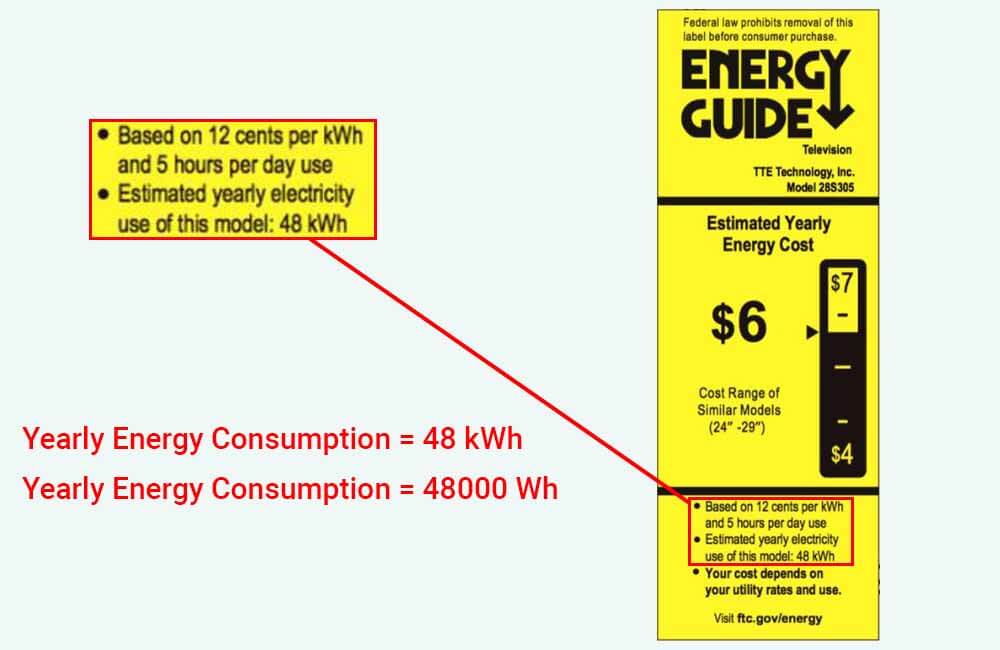
Alright, let’s get to some actual numbers. On average, a modern TV might consume anywhere from 50 Watts to 200 Watts while it’s on, depending on all the factors we just discussed.
- A smaller 32-inch LED TV might hover around 30-50W.
- A popular 55-inch LED TV could be in the 60-100W range.
- A large 75-inch 4K LED/OLED TV might use 100-200W.
Let's take a common example: a 65-inch LED TV that uses about 100 Watts when active.
If you watch TV for, say, 4 hours a day:
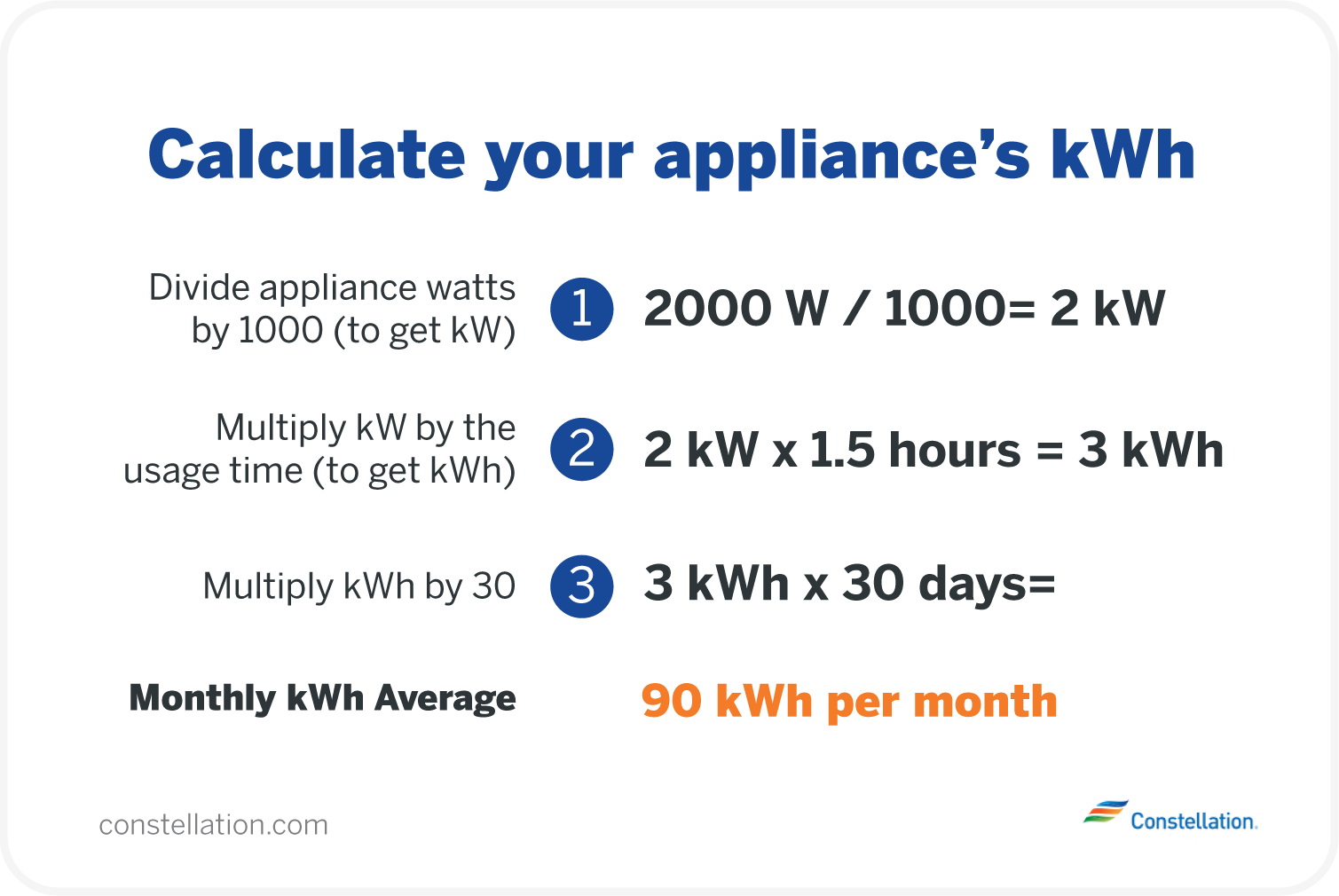
- Daily usage: 100 Watts * 4 hours = 400 Watt-hours (Wh) = 0.4 kWh
- Monthly usage: 0.4 kWh/day * 30 days = 12 kWh
- Yearly usage: 12 kWh/month * 12 months = 144 kWh

Now for the fun part: what does that actually cost? If your electricity rate is, say, $0.15 per kWh (this varies a lot by location!), that 144 kWh per year would cost you... around $21.60 annually.
Is That a Lot? Fun Comparisons!
Twenty-one bucks a year for hours of entertainment? That’s probably less than your favorite fancy coffee drink each month! Or, quite possibly, less than the cost of one month of your streaming service itself.
To put it further into perspective:
- Your refrigerator, running 24/7, might use 300-800 kWh per year. Your fridge is the silent, hungry giant of your kitchen!
- Boiling a kettle for a few minutes can pull 1500-3000 Watts. Your TV sips its power, the kettle gulps it down in a short burst.
- Charging your smartphone for an entire year might only consume about 5-10 kWh. Your TV uses significantly more, but also provides a much bigger experience!
So, while TVs do use energy, they are generally not the biggest energy hogs in most households. Appliances like your HVAC system, water heater, or even an always-on gaming PC often consume significantly more power.
A Quick Word on Standby Power
Even when your TV is "off," it's often not completely off. It's usually in standby mode, ready to spring to life with a press of the remote. This "phantom load" or "vampire drain" does consume a tiny bit of power. For modern TVs, this is usually very low, often less than 0.5-1 Watt. Over a year, this might add a dollar or two to your bill – noticeable, perhaps, but not a huge budget breaker.
Chill Tips for a Slightly Greener Screen Time
If you want to be mindful, here are a couple of super easy ways to gently nudge your TV's energy use down:
- Dim the Brightness: Often, TVs are set too bright by default. Adjusting it down to a comfortable level not only saves energy but can also be easier on your eyes!
- Use Power-Saving Modes: Enable your TV's "Eco Mode" or "Power Saving" settings. They often make minor adjustments you won't even notice, but your bill might.
- Unplug if Away: Going on vacation? Unplugging your TV and other electronics is the ultimate way to eliminate standby power.
The Takeaway
So, the next time you're lost in a captivating series or cheering on your favorite sports team, you'll have a little secret knowledge about the electricity making it all happen. TVs definitely use energy, but for the vast majority of us, their contribution to the overall electricity bill is surprisingly small and definitely worth the entertainment they provide. It’s pretty cool, isn’t it?