
How Much Is The Cost Of Solar Panels
Ever looked up at a roof with those sleek, dark panels shimmering in the sun and thought, "Wow, that looks cool... but how much does that even cost?" You're not alone! It's a question many of us ponder as we scroll through our feeds, seeing more and more homes embracing the sun's power.
Solar panels, once a niche technology for early adopters and space probes, are now becoming a surprisingly common sight. And with that increased visibility comes a natural curiosity: what's the deal with the price tag? Is it like buying a new car, a fancy gadget, or something completely different? Let's peel back the layers and have a relaxed chat about it.
The Big Question: So, What's the Number?
Alright, let's get straight to it. If you're hoping for a single, easy answer like, "Solar panels cost exactly $15,000," I'm afraid I'll have to disappoint you a little. It's a bit like asking, "How much does a house cost?" or "What's the price of a vacation?" The answer is always, "Well, it depends!"
Must Read
But don't fret! While there's no magic one-size-fits-all number, we can absolutely explore the factors that shape the cost and give you a much clearer picture. Think of it less as a fixed price and more like a
What Goes Into That Solar Sticker Price?
Imagine you're building a custom sandwich. The price changes based on the bread, the fillings, the toppings, and even who's making it. Solar panels are similar! Here are the main ingredients that stir the pot on pricing:
1. System Size: How Much Power Do You Need?
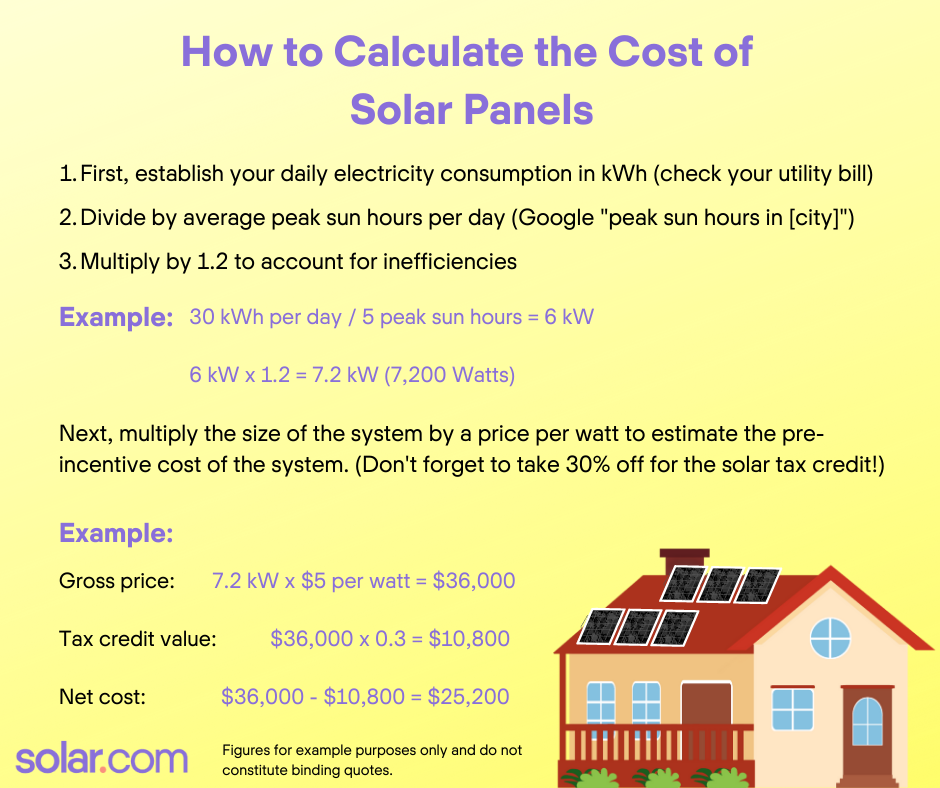
This is arguably the biggest factor. A small cabin will need far fewer panels than a large, energy-hungry suburban home. Your electricity bill is a great indicator here. If you use a ton of juice for AC, electric heating, or charging multiple EVs, you'll need a bigger system, which means more panels and a higher upfront cost. It's measured in kilowatts (kW), and most residential systems fall in the 4 kW to 12 kW range.

2. Panel Type & Efficiency: Not All Panels Are Created Equal
Just like phones or cars, there are different brands and qualities of solar panels. Some are more efficient, meaning they can produce more electricity from a smaller surface area – super handy if you have limited roof space! These high-efficiency panels might cost a bit more per panel, but they could mean you need fewer of them overall. Others are more budget-friendly but might require more roof real estate to achieve the same output.
3. Installation Costs: The Experts at Work
This isn't a DIY weekend project for most of us, is it? Installation involves skilled labor, electrical work, roof mounting, permitting, and ensuring everything is up to code and safe. This part of the cost covers the pros who design, install, and connect your system to your home's electrical grid and often to the utility company. It's a significant chunk, but it ensures your system works optimally and safely for decades.
4. Your Location: Sunshine and Local Rules
Where you live can influence the price. Permitting fees, local labor costs, and even the amount of sunlight your area receives can play a role. Some areas might require specific types of equipment or have more complex regulatory hoops to jump through, which can add to the overall expense.
The Really Cool Part: Incentives and Savings!
Okay, here's where it gets exciting and often brings the "sticker shock" down to earth. Governments, both federal and local, love solar power. Why? Because it's clean, sustainable, and reduces reliance on traditional energy sources. To encourage adoption, they offer some pretty sweet deals:
1. Federal Solar Tax Credit (ITC): A Big Helping Hand
This is a massive one in the U.S.! The Investment Tax Credit (ITC) allows you to claim a percentage of your solar system's cost as a credit on your federal taxes. It's not just a deduction; it's a dollar-for-dollar reduction in what you owe. Think of it like a huge, generous coupon the government gives you for going green! This alone can slash a significant chunk off the total cost.
2. State & Local Rebates/Incentives: More Goodies!
Many states, cities, and even local utility companies offer their own incentives. These can come in the form of additional tax credits, cash rebates, or performance-based incentives that pay you for the electricity your system generates. It's like finding extra cash tucked into your jacket pocket – a delightful surprise!
3. Net Metering: Your Meter Spinning Backwards!
This is perhaps one of the most interesting financial benefits. With net metering, if your solar panels produce more electricity than your home is using at any given moment, that excess power gets sent back to the grid. And guess what? Your utility company often credits you for it! Sometimes, your meter literally spins backward. It's like your house is occasionally selling electricity to the power company. How cool is that?
Beyond the Upfront Cost: The Long-Term Investment
Thinking about solar panels as just an "expense" misses the bigger picture. It's an investment. Consider these long-term perks:

-
Lower (or No!) Electricity Bills: This is the most obvious one. Imagine dramatically reducing, or even eliminating, your monthly electricity bill. Over 20-30 years, those savings really add up!
-
Increased Home Value: Homes with solar panels often sell for more and faster. It's an attractive feature for environmentally conscious buyers looking for lower utility costs.
-
Energy Independence: You're less beholden to fluctuating utility rates and power outages. Generating your own clean energy feels pretty empowering.
-
Environmental Impact: Of course, there's the warm, fuzzy feeling of reducing your carbon footprint and contributing to a cleaner planet. That's priceless, right?

The Average Cost of Solar Panel System in 2021 | Solar.com
So, What's the Ballpark Figure (Reluctantly)?
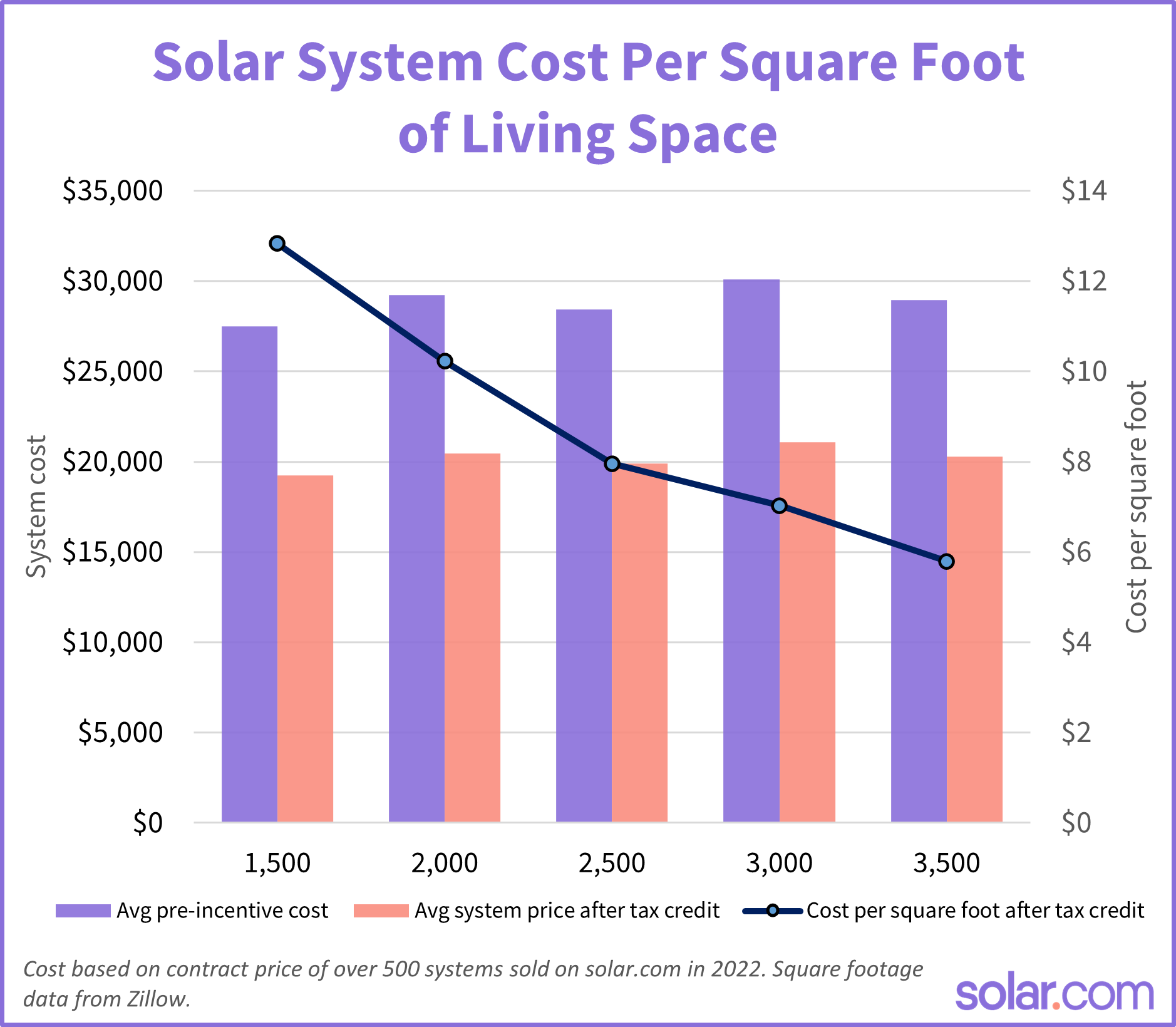
Okay, if you absolutely twist my arm for some numbers, here's a rough idea. A typical residential solar panel system (around 6-8 kW) in the US might cost anywhere from $15,000 to $30,000 or more before incentives.
But remember those incentives? After factoring in the federal tax credit and any local programs, that price can often drop significantly, potentially bringing the net cost down to $10,000 to $20,000 or even less, depending on your specific situation and location. That's a huge difference!
Is It Worth It for YOU?
The only way to truly answer "How much is the cost of solar panels for me?" and "Is it worth it?" is to get personalized quotes. Reputable solar installers will assess your home's energy needs, roof suitability, and local incentives, then give you a detailed breakdown.
It's like getting a custom fitting for a suit – you wouldn't just grab one off the rack, would you? Going solar is an exciting journey toward energy independence and a greener lifestyle, and the costs are often far more accessible than many people imagine once all the awesome benefits and incentives are factored in. So, why not explore it? The sun's energy is waiting!