
How Much Is A Utility Deposit
What's the Deal with Utility Deposits? Your Wallet Wants to Know!
Picture this: You’re finally moving into that dream apartment or buying your first home! The boxes are packed, the pizza delivery is on speed dial, and you're ready to start fresh. But then, as you're setting up the essentials – you know, lights, hot water for that much-needed shower – you hit a little speed bump. A friendly voice on the phone says, "That'll be a utility deposit."
And you're left thinking, "A what now? How much is that going to cost me?"
Don't sweat it! You're not alone. Utility deposits are one of those behind-the-scenes expenses that often sneak up on us. But let's pull back the curtain and make it as clear as your tap water (hopefully!).
Must Read
So, What Is a Utility Deposit, Anyway?
Think of it like a little financial safety net for the utility company. Just like your landlord asks for a security deposit to cover potential damages, the electric, gas, or water company asks for a deposit to cover their bases.
Essentially, it’s a small, refundable amount of money that acts as a guarantee. If, for some reason, you pack up and forget to pay your last bill (gasp!), they've got that deposit to fall back on. It’s their way of saying, "We trust you, but we also like to be prepared!"
Why Do They Even Ask For It? Are They Judging My Netflix Habits?
Ha! While they might not be judging your late-night binge-watching, they are trying to gauge a bit of your financial reliability. Utility companies, bless their hearts, just want to make sure you're likely to pay your bills on time. It's not personal!
Often, it comes down to a few things:
- You're a New Customer: They don't have a history with you, so it's a standard procedure.
- Credit History: Sometimes, if your credit score isn't singing a happy tune, they might see it as a higher risk.
- Previous Payment Issues: If you've had late payments with another utility company, that info can sometimes follow you.
It's like a first date. They're just getting to know you and want to make sure you're not going to "ghost" on the bills!
Alright, Alright, Get to the Point! How Much Is This Thing?!
This is the million-dollar (or, more realistically, hundred-dollar) question! And the honest answer is: it varies. It's not a one-size-fits-all shoe, unfortunately. But we can give you a pretty good ballpark figure.

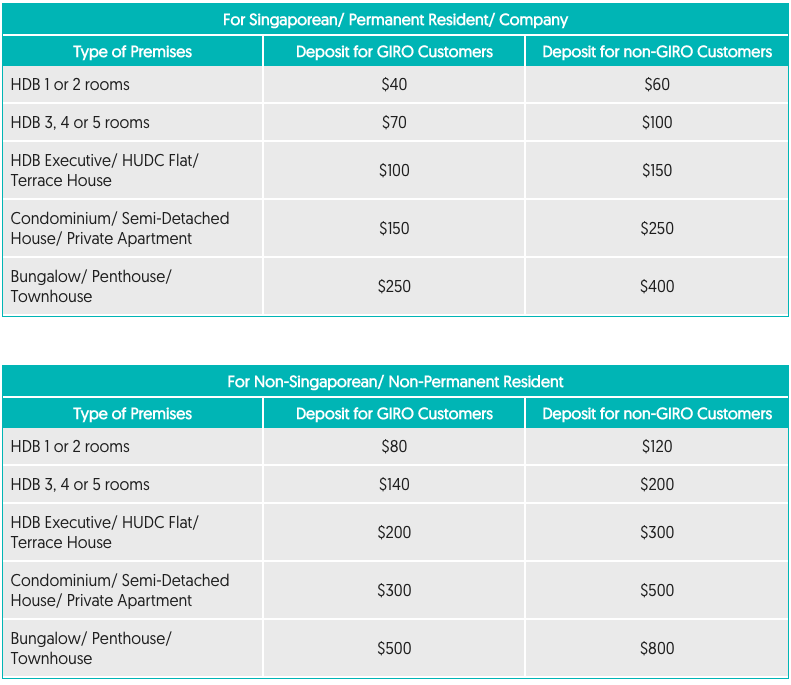
Generally, utility deposits can range anywhere from $50 to $500 or even more, depending on a few key factors:
- Which Utility: Electricity and gas often have higher deposits than water or trash. Why? Because those bills tend to be bigger!
- Your Location: Different states and even different cities can have varying regulations and average usage costs.
- Your Credit Score: This is a big one! If you have a sparkling clean credit history, you might get a lower deposit, or even have it waived entirely! (Score one for responsible adulting!)
- Anticipated Usage: Sometimes, especially with electricity, they might estimate based on the average bill for that specific address or similar-sized homes in the area. If the previous tenant was running an indoor jungle or a server farm, that might skew the estimate a bit!
For electricity, you might see deposits typically fall in the $100 to $300 range. Gas could be similar, while water might be closer to $25 to $75. These are just rough guides, of course, but it gives you an idea that it's not a small change, but also probably won't break the bank.
The Credit Score Dance: Why It Matters Here
We mentioned it, but let's dive deeper. Your credit score is like your financial report card. If it's stellar, some utility companies might skip the deposit altogether. Cha-ching! If it's a bit more "under construction," they might ask for a higher deposit.
This is a fantastic, low-stakes reminder of why maintaining good credit is so important. It's not just for big loans; it affects everyday things too!
Can I Get My Money Back? Please Say Yes!
Good news! A resounding YES! This isn't money gone forever. It's like putting a bookmark in a really good book – you'll come back to it eventually.
How you get it back can vary:

- After a While: Many companies will refund your deposit (or apply it as a credit to your bill) after you've made a certain number of on-time payments – usually 12 to 24 months. It's their way of saying, "Okay, we trust you now!"
- When You Move Out: If you close your account and pay your final bill, they'll send you a check for the deposit (minus any outstanding balance, of course). It’s like a little going-away present!
So, that initial outlay isn't lost; it's just temporarily on loan to the utility company. Think of it as a forced savings account that you'll eventually get back!
Why Should I Even Care About This Nitty-Gritty Detail?
Because nobody likes a surprise bill! Knowing about utility deposits ahead of time empowers you to:
- Budget Smarter: When you're calculating moving costs, don't forget to factor this in. That way, you won't have to choose between a deposit and your celebratory post-move pizza (and we all know which one usually wins!).
- Avoid Stress: No last-minute scrambles or frantic calls to mom and dad for a loan.
- Feel Like a Financial Guru: You're planning ahead, you're informed, and you're ready for whatever adulting throws your way. High five!
Quick Tips to Make It Easy-Peasy:
- Ask Upfront: When you call to set up services, always ask, "Is there a deposit required, and if so, how much?"
- Check Your Credit: Before you move, get a free credit report. If it's a bit bruised, you might know to budget for a higher deposit.
- Budget, Budget, Budget: Seriously, factor it into your moving expenses!
So, while utility deposits might seem like just another hoop to jump through, they're a common and understandable part of setting up a new home. Knowing about them means you can plan, budget, and keep that moving day smile firmly in place. Happy home-settling!