
How Much Is A 1940 Canadian Quarter Worth
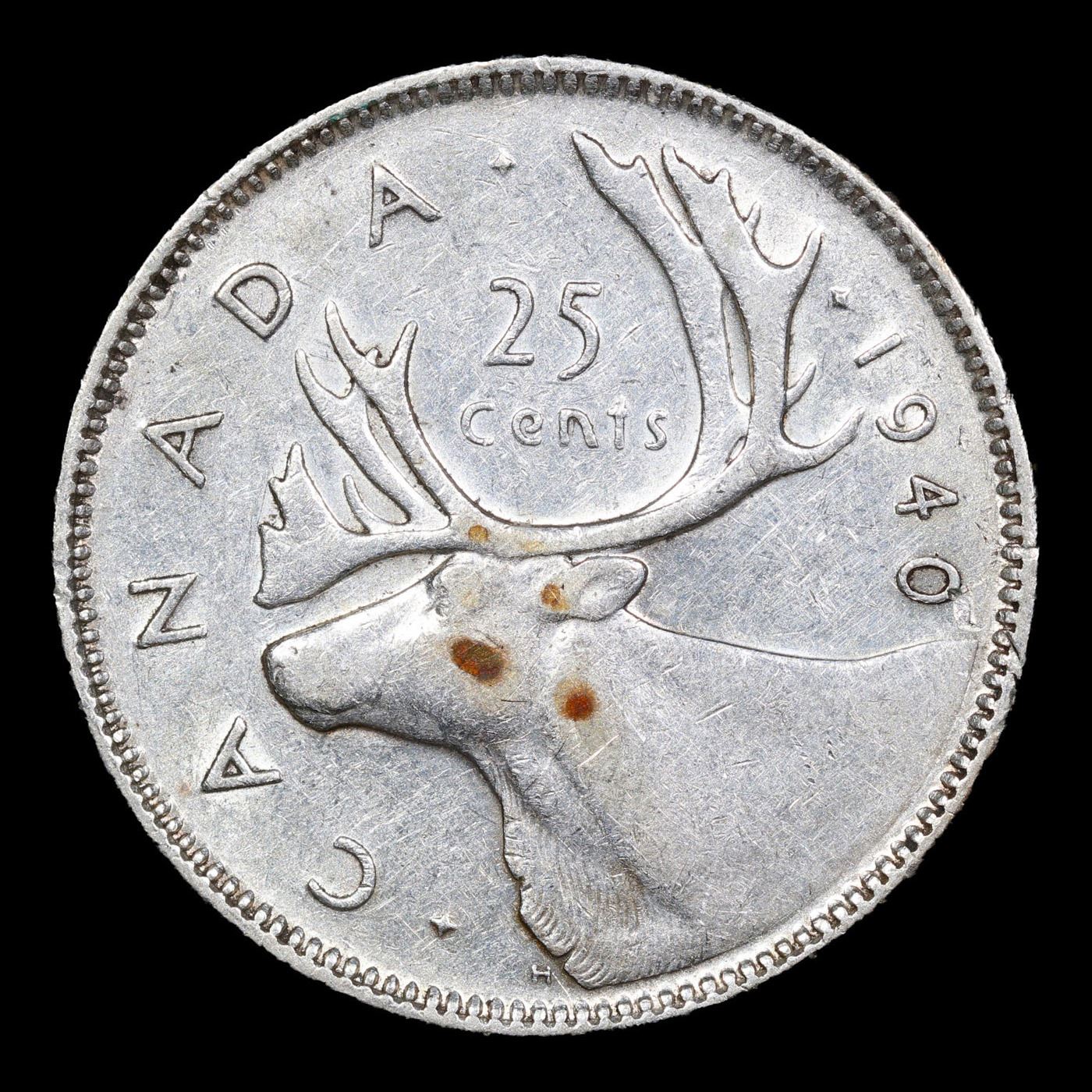
Ever rummaged through grandma's attic and stumbled upon a dusty old jar filled with coins? Maybe you've got a 1940 Canadian quarter nestled amongst the pennies and nickels. Wondering if you've struck gold (or, well, silver)?
Let's dive into the fascinating, and sometimes surprising, world of coin collecting and figure out just how much that little piece of Canadian history is worth.
The Alluring Allure of Old Coins
There's something inherently cool about old coins. They're like tiny time machines, whispering stories of bygone eras. Think about all the hands that quarter has passed through! From buying a loaf of bread during wartime to maybe funding a Saturday matinee, that coin has seen some things.
Must Read
Holding a 1940 quarter is holding a tangible connection to Canada's past. That alone makes it pretty special, wouldn't you agree?
So, How Much Dough Are We Talking?
Alright, alright, let's get down to brass tacks (or silver quarters, in this case). The value of a 1940 Canadian quarter isn't as simple as looking at the face value. It depends on a few key things.
First and foremost: condition, condition, condition! Think of it like judging a vintage car. A pristine, showroom-ready model is going to fetch a much higher price than one that's been driven hard and left out in the rain.
Then there's the mint mark, which indicates where the coin was made. And, of course, supply and demand play a big role. Rare versions can be worth a small fortune!
Condition is Queen (or King, or… Quarter)
Imagine finding two identical 1940 quarters. One looks like it just rolled off the presses, shiny and perfect. The other has seen better days, scratched, worn, and maybe even a little bent. Which one do you think is worth more?
Obviously, the pristine one! Coin collectors are obsessed with condition. They use fancy terms like "Uncirculated" (meaning never used) and "Extremely Fine."
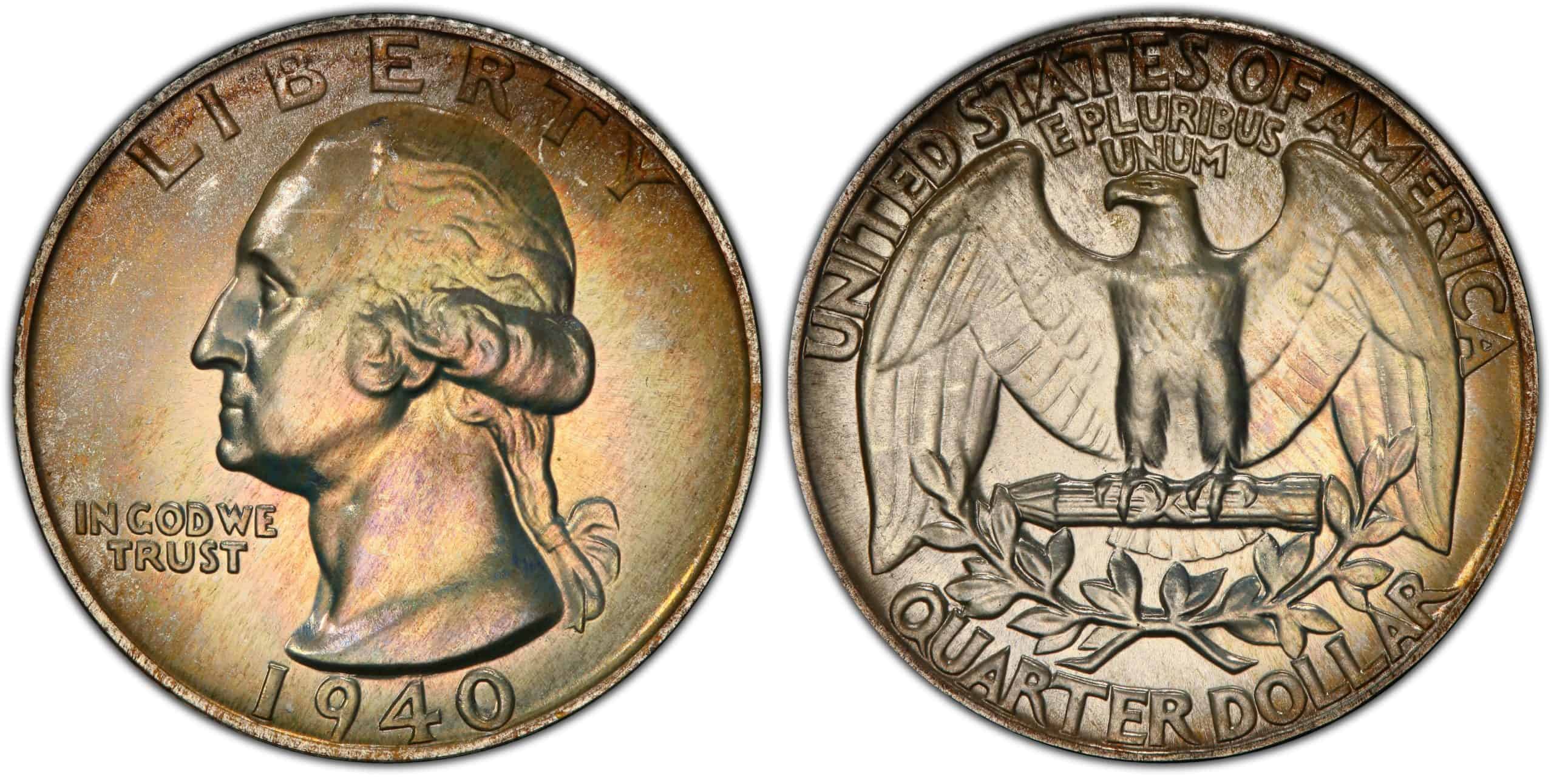
A well-worn 1940 quarter in "Good" condition might only be worth a dollar or two above its silver melt value (we'll get to that in a bit). But an "Uncirculated" example? That could be worth significantly more!
The Silver Lining (Literally!)
Here's a fun fact: 1940 Canadian quarters are made of 80% silver! This means even a heavily worn quarter has some intrinsic value based on the current price of silver. This is known as its melt value.
Think of it like this: even if it's in rough shape, it's still got some precious metal in it. So, even if collectors aren't clamoring for it, the silver alone gives it some worth. It's a win-win! You can always check online for a silver calculator to figure out the current silver melt value!
The Mysterious Mint Mark
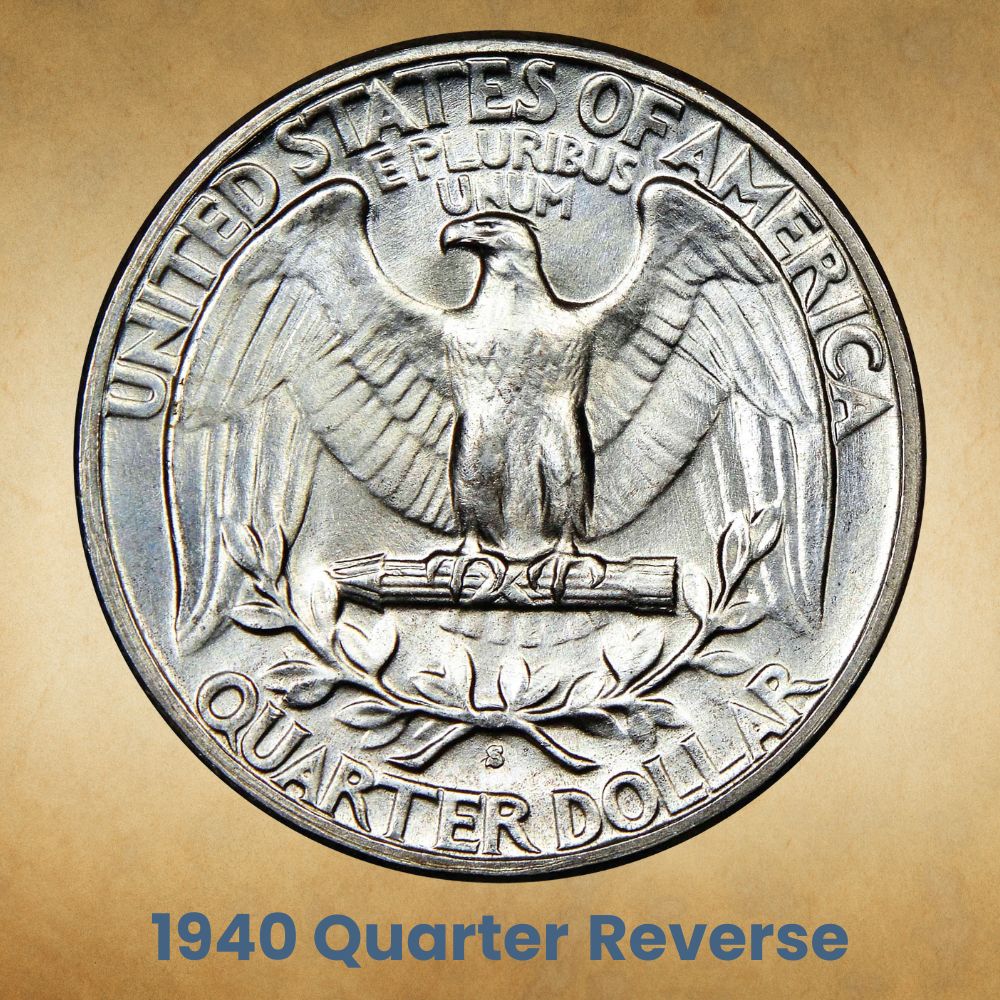
Alright, let's talk about those tiny little symbols stamped on the coin. These are called mint marks, and they can have a big impact on value. Think of it like knowing the artist of a painting.
Generally, a 1940 Canadian quarter won't have a mint mark. All these coins were minted in Ottawa! This is actually good as coins without mint marks are not considered as rare.
Pay close attention! Any deviations, or errors, can mean that your coin could be worth more.
The Art of Grading (It's Not Just for Eggs!)
So how do you actually know what condition your coin is in? Unless you're a seasoned coin collector, it can be tough to tell. That's where coin grading services come in.
These are companies that specialize in evaluating coins and assigning them a grade based on their condition. They're like the experts who tell you how much your antique furniture is worth. You can search online for reputable coin grading services in your area.
Getting your coin graded can be a worthwhile investment if you suspect it's particularly valuable.
The Hunt for Error Coins: When Mistakes Mean Money
Sometimes, things go wrong at the mint. A die cracks, a planchet is flawed, or something else unexpected happens. And when these errors make it onto a coin, collectors go wild!
Error coins can be incredibly rare and valuable. Imagine a 1940 quarter with a double strike (meaning the image was stamped twice) or an off-center strike. These anomalies can fetch a hefty premium.
Keep an eye out for anything unusual! You never know; you might have a hidden treasure in that old coin jar.
Where to Find Out More: The Internet Is Your Friend
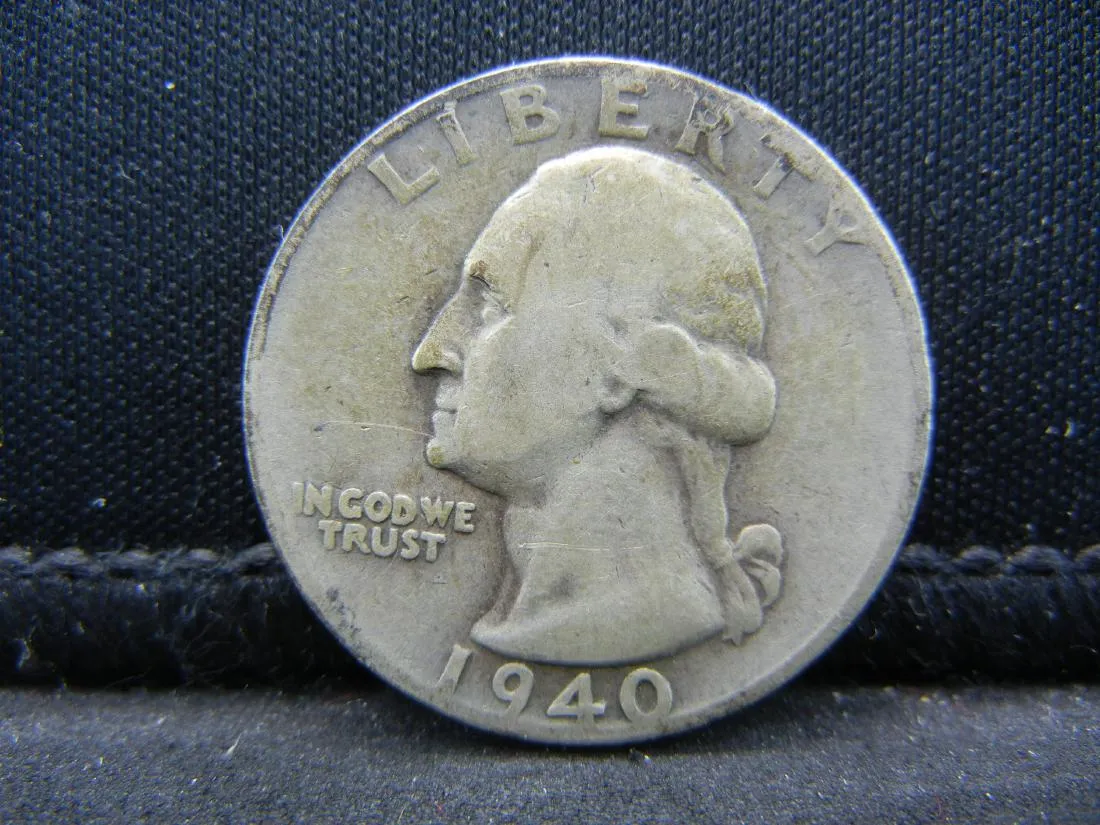
Want to learn more about 1940 Canadian quarters and their potential value? The internet is your best friend. There are tons of websites and forums dedicated to coin collecting.
You can find price guides, auction records, and expert opinions online. But be careful! Do your research and only trust reputable sources. It's like anything else on the internet; there's good information and bad information.
Also, your local library has a lot of resources for books on coin collecting. That is another way to learn about coin collecting!
Beyond the Money: The Real Value
Ultimately, the true value of a 1940 Canadian quarter isn't always about the money. It's about the history, the memories, and the connection to the past. It's a conversation starter, a piece of art, and a tangible link to another time.
Maybe that quarter was your grandfather's lucky charm, or maybe it was the first coin you ever found. Whatever the story, those personal connections are priceless.
So, whether your 1940 quarter is worth a few dollars or a few hundred dollars, remember to appreciate it for what it is: a little piece of Canadian history that has survived the test of time.
From Attic to Auction: Where to Sell Your Quarter
Okay, so you've assessed your 1940 quarter, maybe even got it graded, and you're ready to sell. What are your options? You have a few!
Local coin shops are a great place to start. They can offer you an appraisal and a fair price. But be sure to shop around and get a few different opinions.
Online auction sites like eBay are another option, but be aware of fees and shipping costs. It’s important to do your research before you proceed!
The Unexpected Joy of Coin Collecting
Whether you're a seasoned numismatist or just a curious beginner, coin collecting can be a surprisingly rewarding hobby. It's a treasure hunt, a history lesson, and a chance to connect with people who share your passion.
So, next time you see an old coin, take a closer look. You might just discover a hidden gem, both literally and figuratively. Who knows? Maybe that 1940 quarter in your pocket is worth more than you think!
Happy collecting and may your coin jar always be full of surprises!