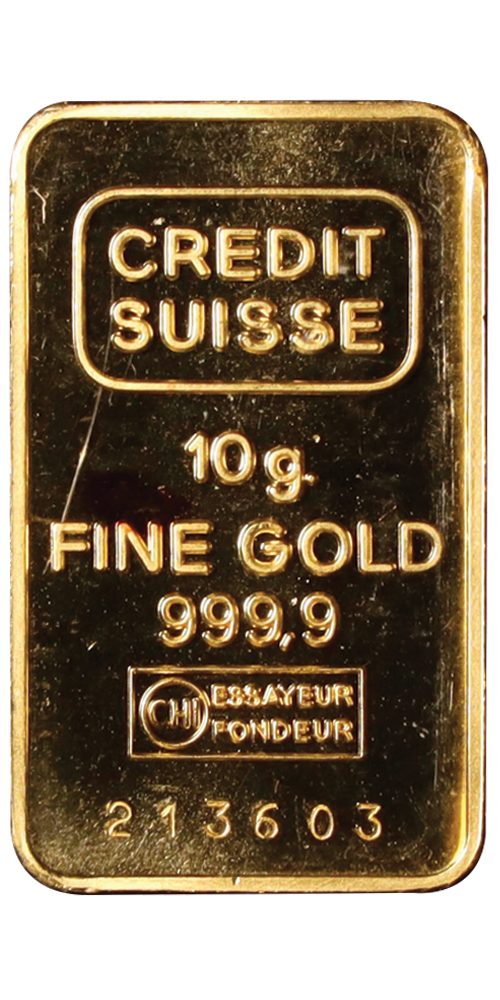
How Much Is 421 Grams Of Gold Worth
Ever wondered about the allure of gold? It's more than just shiny jewelry; it's a global commodity, a financial safe haven, and a fascinating piece of history. Figuring out the value of a specific amount, like 421 grams, is a fun exercise that connects us to the wider world of economics and precious metals. It's like a little treasure hunt, but with numbers!
Why bother calculating the value of 421 grams of gold? Well, understanding gold's worth helps us appreciate its role in investment, trade, and even central banking. It's beneficial for anyone interested in personal finance, global markets, or even just curious about the things we see around us. Knowing how to calculate its value gives you a glimpse into the world of supply and demand, economic indicators, and the fascinating dance between currencies and commodities.
Imagine you're teaching a class about economics. Asking students to calculate the value of 421 grams of gold is a practical way to illustrate how market prices are determined. You could use it to discuss currency exchange rates, the impact of global events on commodity prices, and the concept of hedging against inflation. In daily life, perhaps you're considering buying gold as an investment or selling some inherited jewelry. Knowing the current market price, even for a hypothetical amount like 421 grams, empowers you to make informed decisions.
Must Read
So, how do we figure out how much 421 grams of gold is worth? The key is knowing the current spot price of gold per gram or ounce. Gold is typically traded in troy ounces, so you might need to convert grams to ounces first (1 troy ounce is approximately 31.1035 grams). Once you have the spot price per gram (or ounce), simply multiply that by 421 (or the equivalent ounce measurement). For example, if gold is trading at $65 per gram, then 421 grams of gold would be worth approximately $27,365. But remember, this is just a snapshot in time! Gold prices fluctuate constantly based on various factors.
Here are some practical tips for exploring the value of gold: Firstly, find a reputable source for the current spot price. Many financial websites and news outlets provide real-time gold prices. Secondly, be aware of different types of gold. The purity of the gold (measured in karats) affects its value. 24K gold is pure gold, while 14K gold is an alloy containing other metals. Make sure you're comparing apples to apples. Thirdly, consider additional fees. If you're buying or selling physical gold, there might be premiums, commissions, or storage fees involved.
To explore this further, try a simple exercise. Track the gold price for a week and see how it changes. What events seem to correlate with price fluctuations? Experiment with different amounts of gold (100 grams, 1 kilo) and calculate their values. You could even compare the value of gold to other commodities like silver or platinum. By engaging with these numbers, you'll gain a better understanding of the dynamic world of precious metals and their role in the global economy. It's a fascinating journey, and you might just discover a new appreciation for the glittering allure of gold.