How Much Gasoline Is Produced From A Barrel Of Oil

Alright, settle in, grab your imaginary coffee (or real one, I’m not judging), because we’re about to dive into one of those questions you’ve probably pondered while pumping gas: "Just how much of this liquid gold actually comes from a barrel of oil?" It’s a bit like asking how many licks it takes to get to the center of a Tootsie Pop, but with way more hydrocarbons and slightly less satisfying chewiness. Let’s unravel this mystery, shall we?
First, What Even Is a Barrel of Oil?
When we talk about a "barrel" of oil, most people picture a rustic, wooden cask like something a pirate might roll around. And honestly, that image is far more romantic than the reality! But nope, modern oil isn't typically shipped in those. A barrel of oil is a unit of measurement, an industry standard that’s been around forever. And here's your first fun fact: it’s exactly 42 US gallons. Not 40, not 50, but a very specific 42. Why 42? Because back in the 1800s, when oil was first really taking off, that’s what the standard whiskey barrel held. So, we stuck with it. Cheers to historical quirks!
So, you’ve got 42 gallons of crude oil. Now, is all of that just... gasoline waiting to happen? Oh, my sweet summer child, if only it were that simple! Crude oil is like the universe’s most unappealing smoothie – it’s a murky, thick, viscous mess of hundreds of different compounds. Think of it as a primordial soup that needs some serious chemical magic.
Must Read
The Refinery: Where the Magic (and Heat) Happens
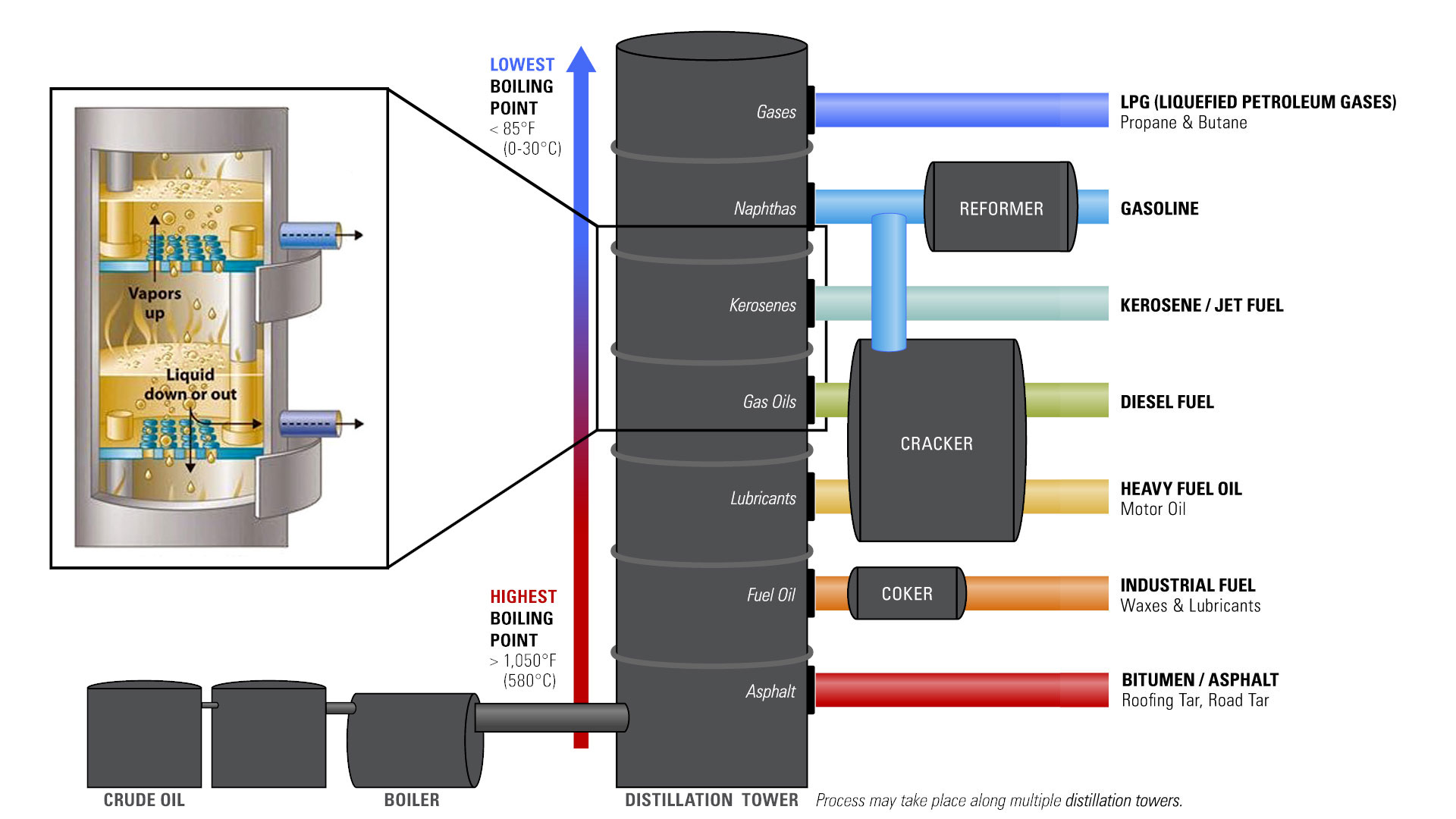
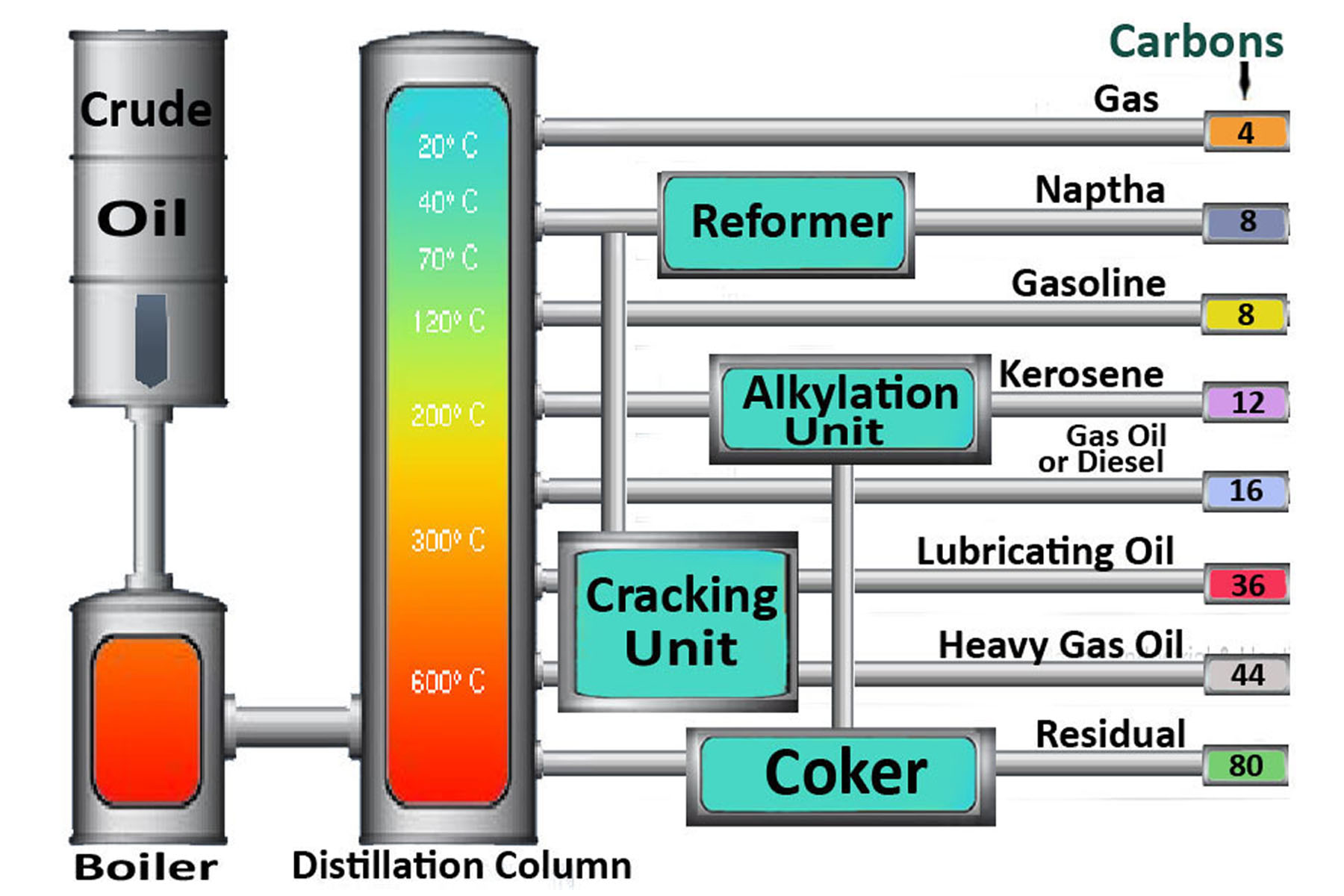
This crude gunk gets shipped off to a refinery. And a refinery, my friends, is basically a giant, incredibly sophisticated chemical kitchen. They don't just pour it into your gas tank. First, they have to separate all the different bits and pieces. How do they do that? Primarily through a process called distillation, which is a fancy word for "boiling and collecting stuff at different temperatures."
Imagine you have a pot of water, and you start heating it. First, the water turns to steam. If you had some alcohol in there, that would boil off at a different (lower) temperature. Crude oil is similar, but with way more ingredients. They heat it up, and different components vaporize, rise, and condense at different levels in a tall tower. Lighter stuff (like gasoline) rises higher, heavier stuff (like asphalt) stays lower. It’s like a molecular elevator ride!
The Big Reveal: How Much Gasoline?
So, after all that boiling and separating and general chemical wizardry, how many of those original 42 gallons end up as gasoline you can put in your car? Drumroll please...
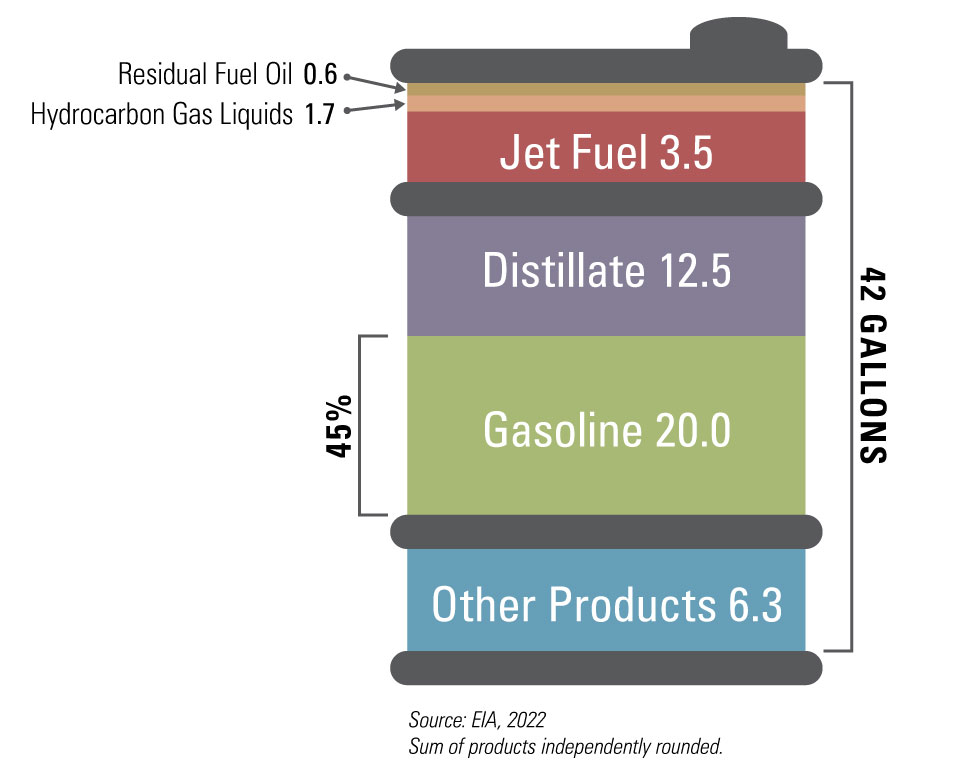
On average, one 42-gallon barrel of crude oil produces about 19 to 20 gallons of finished motor gasoline. That’s right! It’s not a straight one-to-one conversion. You don't get 42 gallons of gas from 42 gallons of crude. More like half. Surprising, isn’t it?
So, the next time you’re filling up your tank, remember that each gallon of gas had roughly two gallons of crude oil sacrificed for its existence. Pretty efficient, considering all the other stuff crude oil gives us!
But Wait, There’s More! (The Other Goodies)
"Hold on," you might be thinking, "if only 19-20 gallons are gasoline, where do the other 22-23 gallons go?!" Excellent question, my inquisitive friend! This is where the true genius of the refining process shines. Absolutely nothing goes to waste. That remaining crude is broken down into a veritable treasure trove of other useful products:
- About 10-12 gallons of diesel fuel and heating oil (which are essentially the same thing, just used differently).
- Around 4 gallons of jet fuel. Zoom!
- A couple of gallons of liquefied petroleum gases (LPG) like propane.
- And then a whole cocktail of other petroleum products: things like asphalt for your roads, lubricants for your engines, solvents, and raw materials for plastics, fertilizers, and even some medicines.
Basically, a single barrel of crude oil gives us the fuel for our cars, trucks, planes, the heat for our homes, the roads we drive on, and even parts of the toothbrush you used this morning. It’s like a ridiculously productive, multi-tasking liquid superhero!
Factors That Tweak the Recipe
Now, these numbers aren’t set in stone. They’re averages. The exact yield of gasoline can vary a bit depending on a few things:
- The type of crude oil: "Light, sweet crude" (low density, low sulfur) yields more gasoline and lighter products. "Heavy, sour crude" (high density, high sulfur) requires more processing and often yields more asphalt and heavier fuels. Not all crude is created equal, darling!
- The refinery’s technology: More advanced refineries can "crack" heavier molecules into lighter ones, increasing gasoline yield.
- Seasonal demand: In the winter, refineries might produce more heating oil. In the summer, it's all about that road trip gasoline!
So, What Have We Learned?
The next time you’re at the pump, gazing lovingly at that nozzle, remember this little tale: that 42-gallon barrel of crude oil isn't just a gasoline dispenser. It's a marvel of chemistry, yielding only about 19-20 gallons of gasoline, while simultaneously gifting us with an astonishing array of other products that keep our modern world humming. It’s a testament to human ingenuity that we can take that sludgy, black stuff and turn it into so many essential things. And who knew a whiskey barrel from the 1800s would set the standard for it all? Mind-boggling, isn’t it?