How Much Electricity Does A Heat Pump Use Per Day
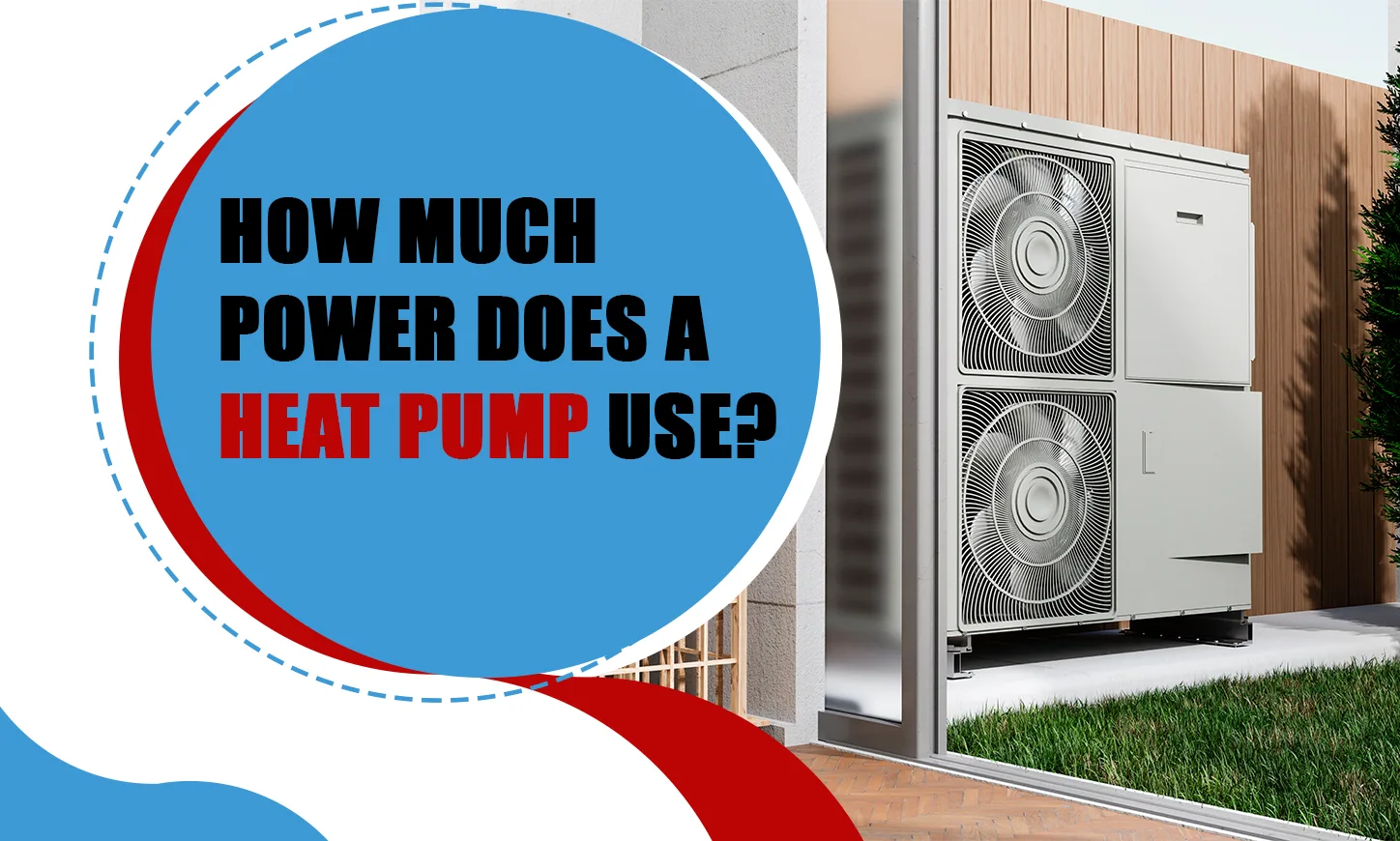
Ever wondered how much juice your gadgets sip from the wall socket? We're all becoming more conscious of our energy consumption, not just to save a few bucks on the electricity bill, but also to be kinder to our planet. And when it comes to home heating and cooling, the heat pump is becoming an increasingly popular contender. But how much electricity does a heat pump really use in a day? It's a fascinating question with a surprisingly nuanced answer, and understanding it can empower you to make smarter energy choices.
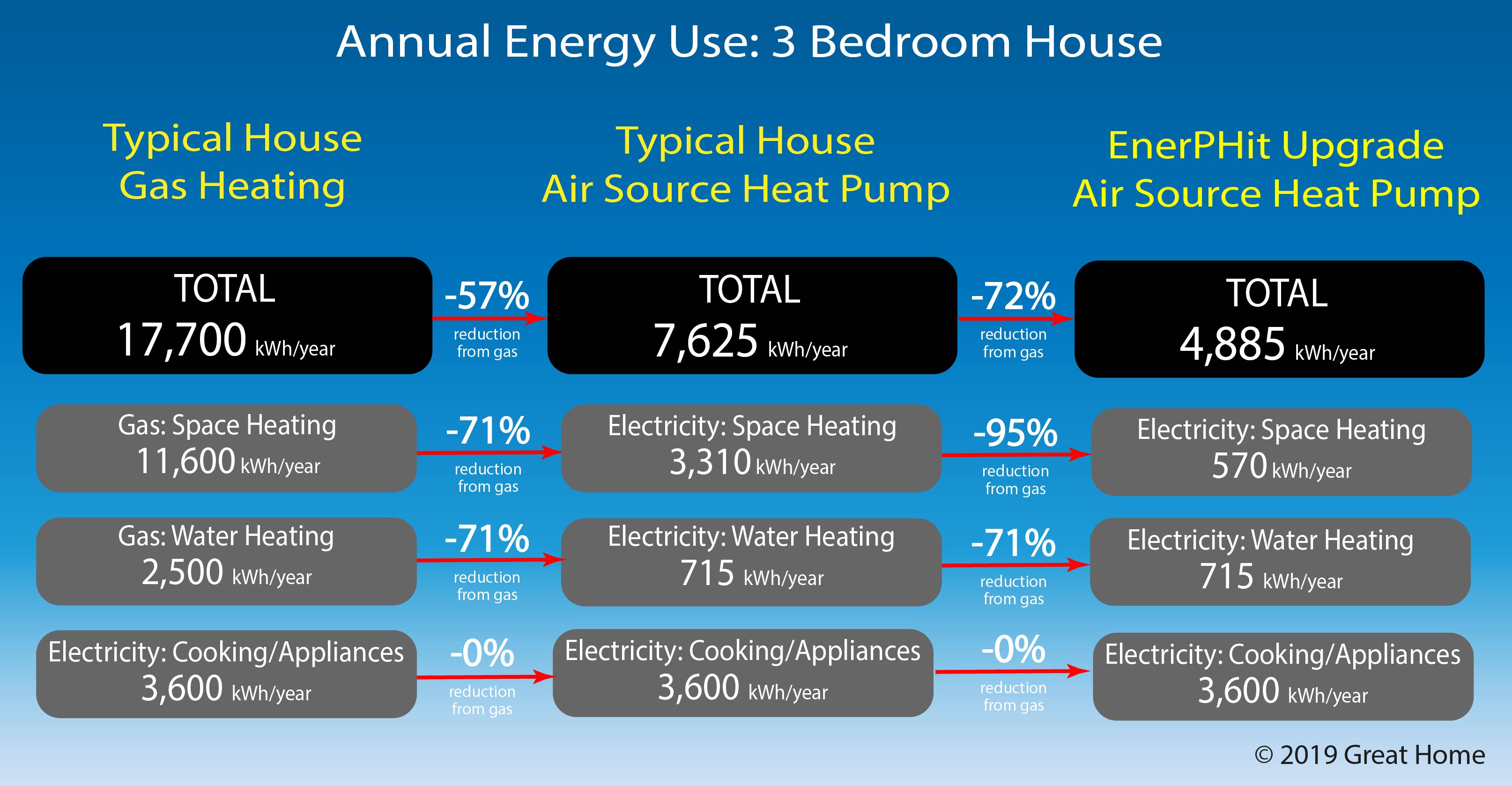
So, what exactly is a heat pump? Simply put, it's a device that moves heat from one place to another. In the winter, it extracts heat from the outside air (yes, even cold air contains heat!) and transfers it inside your home. In the summer, it reverses the process, pulling heat from inside and dumping it outside. Think of it like a reversible air conditioner. The beauty of a heat pump lies in its efficiency. Instead of generating heat directly like a traditional furnace, it moves heat, using significantly less electricity in the process (in most cases).
Heat pumps are becoming increasingly commonplace. You might encounter them in schools, providing efficient heating and cooling for classrooms. Many modern homes are built with heat pumps as the primary HVAC system. Even smaller, portable units are available for heating or cooling individual rooms. The benefits are numerous: reduced energy consumption, lower carbon footprint, and often quieter operation compared to traditional systems. They also provide both heating and cooling from a single unit, simplifying home climate control. Furthermore, modern heat pumps are becoming increasingly effective in colder climates, expanding their usability across different regions.
Must Read
Now, back to the burning question: how much electricity does a heat pump use per day? The answer, unfortunately, isn't a simple number. It depends on a variety of factors, including:
- The size of your home: A larger home requires more heating or cooling, thus more energy consumption.
- The climate: Colder winters and hotter summers will naturally lead to higher energy usage.
- The efficiency of the heat pump: Like any appliance, heat pumps have different efficiency ratings (look for SEER and HSPF ratings).
- Your thermostat settings: The warmer you set your thermostat in winter, and the cooler in summer, the more energy you'll use.
- Insulation: A well-insulated home retains heat (or coolness) better, reducing the workload on your heat pump.
While providing a precise figure is difficult, a reasonable estimate for a moderately sized home in a moderate climate might be between 10-30 kWh per day. However, this is just a ballpark. A highly efficient heat pump in a well-insulated home in a mild climate could use significantly less.

So, how can you explore this further and understand your heat pump's energy usage? Here are a few simple suggestions:
- Check your electricity bill: Look for trends in your energy consumption during peak heating and cooling seasons.
- Use an energy monitoring device: These devices can track your home's overall energy usage and, in some cases, even break it down by appliance.
- Consult with an HVAC professional: They can assess your home and heat pump system and provide more accurate estimates.
- Experiment with thermostat settings: Try adjusting your thermostat by a few degrees and see how it impacts your energy bill. Every little bit helps!
Understanding your heat pump's energy consumption is a step towards greater energy awareness and a more sustainable lifestyle. By taking a little time to explore these factors, you can make informed decisions about your home heating and cooling and contribute to a greener future. It's an investment that benefits both your wallet and the planet!