
How Much Electric Does Dehumidifier Use
Ever walked into a room and felt that sticky, heavy air? That's humidity making itself at home. Many folks turn to a dehumidifier for relief.
These handy appliances work wonders for comfort. They pull excess moisture right out of the air. It makes your living space feel much fresher.
But a common question often pops up. How much electricity does a dehumidifier actually use? It's a smart thought to have.
Must Read
Understanding this can help you manage your home's energy. It's not just about comfort; it's about smart living. Let's peel back the curtain on this topic.
What's the Big Deal with Dehumidifiers?
Dehumidifiers are true champions of indoor air quality. They silently battle against dampness. This keeps your home feeling light and pleasant.
Think about your basement. Without one, it might smell musty. Or maybe your clothes feel perpetually damp in your closet.
A dehumidifier steps in to fix these issues. It creates a healthier environment. This little machine has a big job.
They are especially special in humid climates. Some days just feel like swimming through the air. A good dehumidifier makes a real difference.
They protect your belongings, too. Books, electronics, and wooden furniture all suffer from high humidity. Your dehumidifier is like a tiny guardian.
Decoding the Electricity Use
There's no single, simple answer to how much electricity a dehumidifier uses. It's a bit like asking, "How much fuel does a car use?" It depends on several factors.
However, we can break it down. We'll look at what influences its energy appetite. This will give you a clearer picture.
Your Dehumidifier's Size and Power
The first big factor is the size of your unit. This is usually measured in pints. Pints refer to how much moisture it can remove in a day.
A small 30-pint dehumidifier will use less power. A larger 50-pint or even 70-pint unit will naturally draw more electricity. Bigger jobs require more energy.
Check the label on your unit. It usually states the wattage or amperage. This is your starting point for calculations.
Generally, a standard 50-pint dehumidifier might use between 400 and 700 watts. This can vary widely by model and efficiency.
How Humid is Your Home?
The starting humidity level matters a lot. If your home is very damp, the dehumidifier works harder. It needs more energy to bring humidity down.
Once it reaches your desired setting, it cycles on and off. It just maintains the level. This uses less electricity over time.
Your target humidity also plays a role. Most experts recommend keeping indoor humidity between 40% and 50%. This range is comfortable and healthy.
Setting it much lower will make it run longer. This, in turn, uses more electricity. Finding the sweet spot is key.
Run Time and Temperature
How long you run your dehumidifier affects usage. An appliance running 24/7 will consume more energy. One that runs just a few hours will use less.
![Dehumidifier Wattage & Most Efficient Revealed [573 Studied]](https://ecocostsavings.com/wp-content/uploads/2021/10/how-many-amps-does-a-dehumidifier-use.jpg)
Many units have a built-in humidistat. This smart feature turns the unit off when the set humidity is reached. It then turns it back on when needed.
The ambient temperature also plays a part. Dehumidifiers work more efficiently in warmer air. They struggle a bit more in very cool spaces.
This is why some models have special low-temperature settings. These are great for chilly basements.
The Magic of Energy Star
Look for the ENERGY STAR label when buying a dehumidifier. These models are certified for efficiency. They use less electricity for the same job.
An Energy Star certified dehumidifier can save you money. It uses about 15% less energy than conventional models. This is a significant saving over its lifespan.
Older dehumidifiers are often less efficient. They might use more electricity to do the same amount of work. Sometimes, upgrading is the smarter choice.
Putting a Price Tag on It
Let's talk about real-world costs. To estimate your cost, you need three things. Your dehumidifier's wattage, how many hours it runs, and your electricity rate.
Electricity is measured in kilowatt-hours (kWh). Your utility bill shows your cost per kWh. This cost varies depending on where you live.
Here's a simplified example: Imagine your dehumidifier uses 500 watts. Running it for 10 hours daily is 5000 watt-hours, or 5 kWh.

If your electricity costs 15 cents per kWh, that's 75 cents a day. Over a month, that adds up to about $22.50. This is just an estimate, of course.
Remember, these numbers are illustrative. Your actual costs will depend on your specific situation.
Smart Tips for Energy Savings
You can be an energy-saving superhero with your dehumidifier. A few simple tricks can make a big difference. It's all about smart operation.
First, always set your desired humidity level. Don't just let it run continuously. Aim for that 40-50% sweet spot.
Keep doors and windows closed in the area you are dehumidifying. You don't want to dehumidify the great outdoors. This wastes energy.
Regularly clean your unit's filter. A clogged filter makes the motor work harder. This uses more electricity and reduces efficiency.
Empty the water bucket often. If the bucket is full, many units stop running. An external drain hose can be a convenient solution.
Consider the room's insulation and ventilation. Sealing air leaks can prevent more humid air from entering. This lessens the dehumidifier's workload.
Sometimes, running your air conditioner can help. AC units also remove some humidity. This can reduce the need for your dehumidifier to run as much.
Position your unit wisely. Place it in the dampest part of the room. Keep it away from walls to ensure good airflow.
The Undeniable Benefits
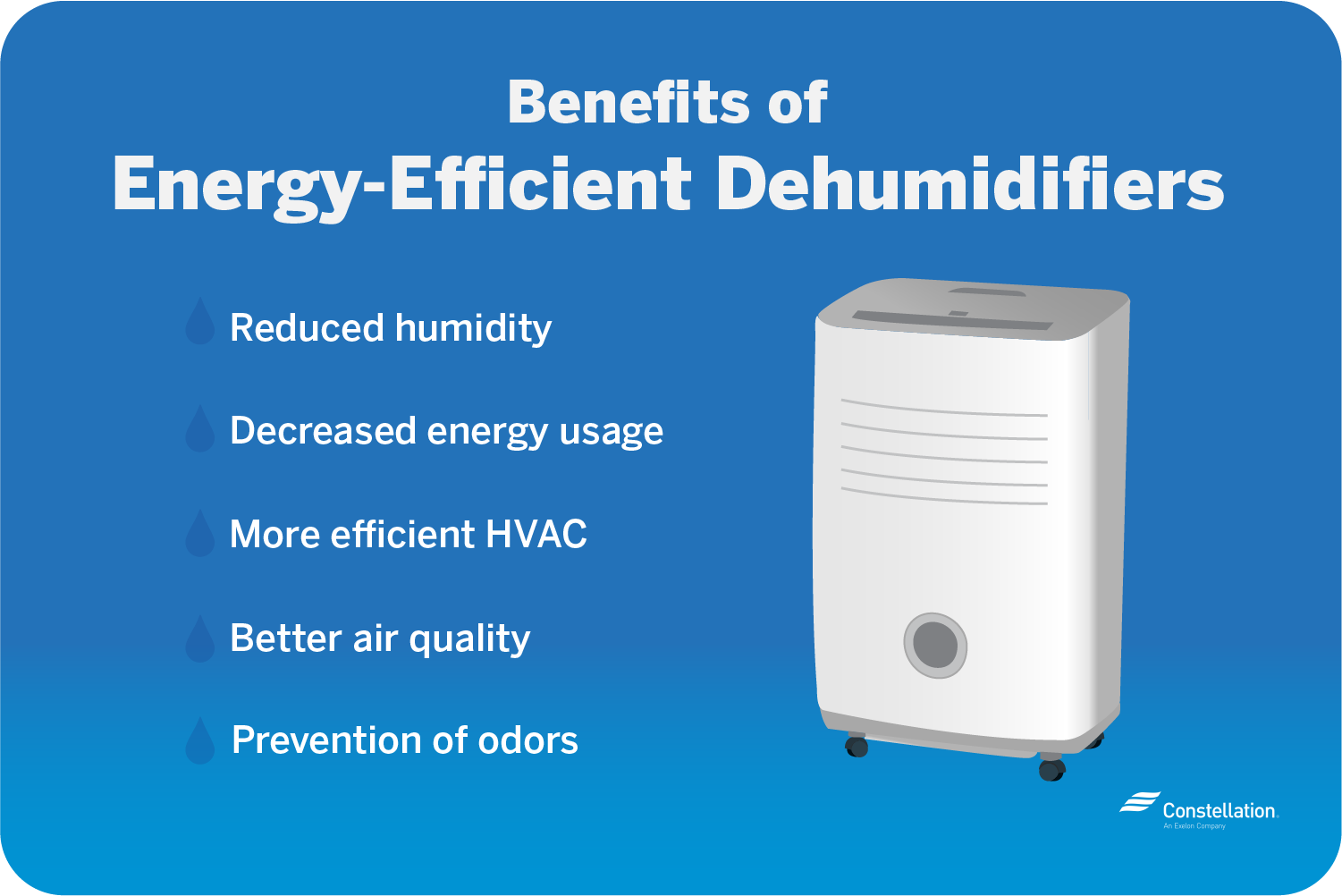
Even with electricity use, dehumidifiers offer immense value. They make your home a nicer, healthier place to be. These benefits often outweigh the energy cost.
They fight against mold and mildew growth. These can trigger allergies and cause respiratory issues. A dehumidifier is a health protector.
They reduce dust mites, another common allergen. These tiny creatures thrive in humid environments. Less humidity means fewer mites.
Your home will feel cooler and less clammy. High humidity can make 75 degrees feel like 80. A dehumidifier enhances your comfort without lowering the thermostat.
Musty odors disappear. That damp, stale smell often comes from excess moisture. Your home will smell fresher and cleaner.
Protecting your belongings is another huge plus. Wooden floors won't warp. Important documents won't get soggy. Your investments are safe.
So, while your dehumidifier uses electricity, it's working hard for you. It's a small investment in a more comfortable and healthier home.
Understanding its energy appetite helps you use it wisely. You can enjoy all the benefits without breaking the bank. It's all about making smart, informed choices.