
How Much Electric Does A Oil Filled Radiator Use

Picture this: It's a blustery Tuesday evening. The kind of evening where your internal thermostat is screaming, "More warmth, human!" Your central heating is doing its best, but that one particular room – maybe your home office, maybe the guest bedroom – just refuses to get cozy. It’s like a rebel without a cause, stubbornly clinging to its frosty independence.
So, you do what any sensible, shivering person would do. You dig out that trusty, somewhat retro-looking appliance from the garage or under a pile of forgotten blankets: the oil-filled radiator. You plug it in, hear that satisfying click of the thermostat, and within a surprisingly short time, a lovely, gentle warmth starts to radiate. Bliss! You feel like you've cracked the code to ultimate coziness without heating the entire neighborhood.
But then, a tiny, nagging voice pops into your head. A voice that sounds suspiciously like your future electricity bill: "Hey there, Mr./Ms. Toasty. Just how much juice is that thing guzzling?" Ah, the eternal question, isn't it? We want comfort, but we also don't want to feel like we're literally burning money to achieve it. So, let's pull back the curtain and peek behind the warm glow of these fantastic little heaters.
Must Read
What Even Are These Things, Anyway?
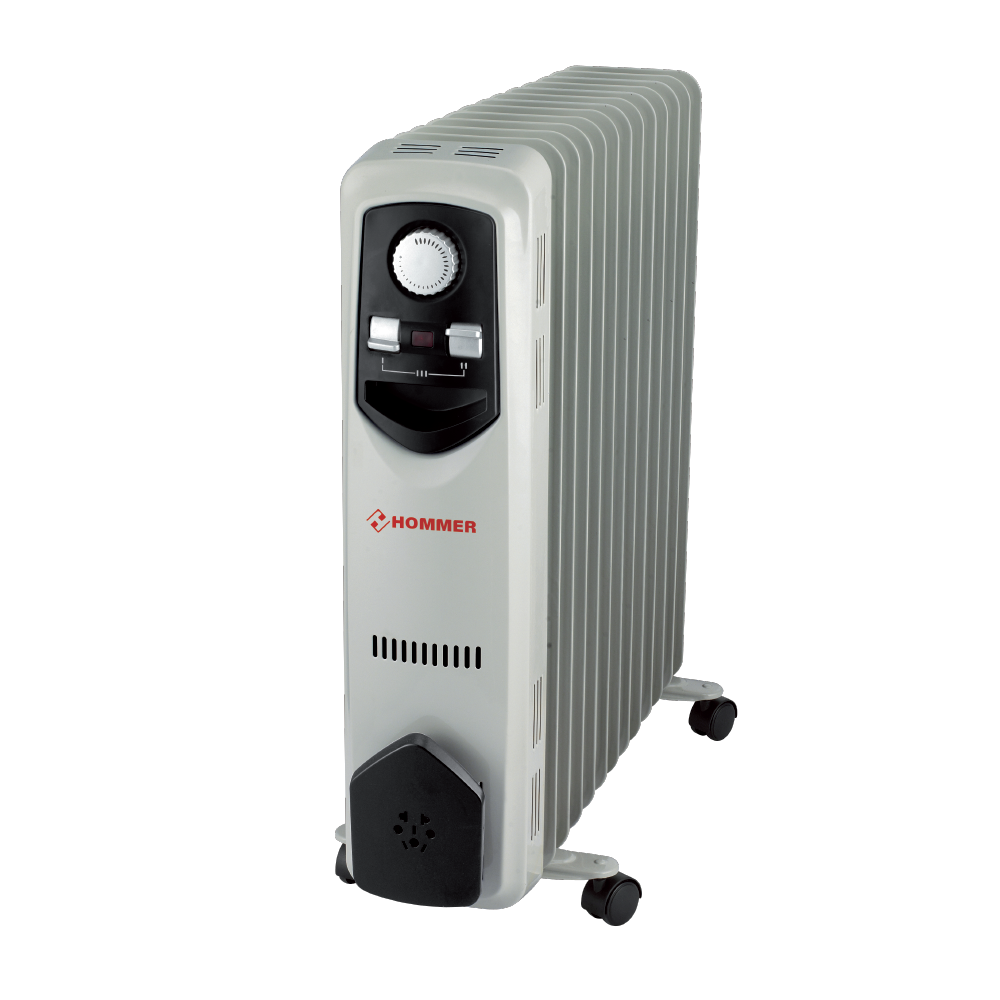
Before we get to the numbers, let's quickly demystify them. An oil-filled radiator isn't actually burning oil. Nope, no fumes, no refilling. Inside its sealed fins is a special thermal oil. An electric heating element warms this oil, which then circulates and heats the metal surface of the radiator. The heat radiates into your room, and the oil retains heat for a good while even after the element switches off. Pretty neat, right? It's like a warm, comforting hug that keeps on giving.
The Nitty-Gritty: How Much Power Do They Really Use?
Alright, let's talk about the cold, hard (or rather, warm, fuzzy) facts. The amount of electricity an oil-filled radiator uses is measured in watts (W). Most common household models range from about 700W on the low end to 2,500W on the higher end. You can usually find this number printed on a sticker on the back or bottom of the radiator, or in the manual. Go ahead, check yours! I'll wait.

Now, how do you translate watts into something that makes sense on your electricity bill? We need to talk about kilowatt-hours (kWh). One kilowatt-hour is 1,000 watts used for one hour. This is the unit your electricity company uses to charge you.
Let's Do Some Quick Math (Don't Worry, It's Painless)
Here’s the simple formula:
(Radiator's Wattage / 1000) * Hours Used * Cost per kWh = Total Cost
Let's use an example. Say you have a 1,500W (or 1.5kW) oil-filled radiator, and you run it for 8 hours in that stubborn cold room. Let’s assume your electricity costs £0.30 (or $0.30) per kWh (this varies a lot depending on where you live and your tariff, so check your bill!).
So, it would be:
(1500W / 1000) * 8 hours * £0.30/kWh = £1.5 * 8 * £0.30 = £3.60

Running that 1.5kW heater for 8 hours would cost you around £3.60. If you do that every day for a month? Well, that's £3.60 x 30 days = £108. Yikes! See how quickly those numbers add up?
But Are They Efficient?
This is where things get interesting. Technically, oil-filled radiators (and all electric resistance heaters) are 100% efficient at converting the electricity they draw into heat. Every single joule of energy becomes heat in your room. There's no waste heat going up a chimney, for example.
However, "efficiency" in this context can be a bit misleading. While they're great at converting electricity to heat, they are not necessarily the most economical way to heat a large space compared to a well-maintained central heating system. Their superpower lies in zone heating – heating a specific area or room.
Think about it: heating your entire house with multiple oil-filled radiators would be incredibly expensive. But using one to make your drafty home office bearable without cranking up the whole house? Now that's smart heating!
Tips for Being a Savvy Heater User (and Not Crying at Your Bill)
You want to be warm, and you want to keep your wallet somewhat happy. Here's how:
- Use the Thermostat: This is your best friend! Don't just set it to "max" and leave it there. Set it to a comfortable temperature (e.g., 20-22°C or 68-72°F), and let the heater cycle on and off. It will only draw power when it needs to maintain that temp.
- Timers are Terrific: Many models have built-in timers. Set it to switch on just before you use the room and off after you leave. Why heat an empty room, right?
- Zone Heating is Key: Remember, they shine in individual rooms. If you're only using your bedroom at night, heat that room, not the whole house.
- Insulate, Insulate, Insulate: Close doors, seal drafts, and make sure windows are shut. All the heat in the world won't help if it's constantly escaping!
- Don't Cover Them: Resist the urge to dry clothes on them. It's a fire hazard, and it prevents the heat from circulating effectively, making the heater work harder.
So, the next time you plug in that faithful oil-filled radiator, you'll know exactly what kind of electrical conversation is happening between it and your power meter. They’re fantastic for targeted warmth, and with a little bit of smart usage, you can stay toasty without giving your electricity provider all your hard-earned cash. Stay warm out there!