
How Much Does Pge Charge Per Kilowatt Hour

Okay, picture this: It's a sweltering August afternoon in California. You've just walked in the door, dripping with sweat, and your first instinct is to crank the AC to "arctic blast." Ahh, sweet relief! Fast forward a month, and that innocent moment of comfort arrives in an envelope, looking suspiciously like a ransom note. Your PGE bill. You open it, eyes wide, and that little number at the bottom just... stares at you. "How on earth...?" you mumble, clutching your metaphorical pearls. "What am I even paying for? And seriously, how much does PGE actually charge per kilowatt-hour?!"
Sound familiar? Because, trust me, you're not alone. That exact scenario (or a variation involving holiday lights, an always-on gaming PC, or a particularly enthusiastic electric car charger) has led many of us down the rabbit hole of trying to decipher our electricity bill. And that, my friend, is precisely why we're here today: to demystify the mighty kilowatt-hour and PGE's ever-evolving price tag.
First, What Even IS a Kilowatt-Hour (kWh)?
Before we dive into the dollars and cents, let's get our heads around the basic unit. A kilowatt-hour (kWh) is essentially how much energy you've used. Think of it like this: if you have a 1,000-watt (which is 1 kilowatt) appliance running for one hour, that's 1 kWh of energy consumed. A 100-watt light bulb on for 10 hours? Also 1 kWh. Easy peasy, right?
Must Read
Your entire life at home, from charging your phone to running your fridge, is just an accumulation of these kWhs. And PGE, bless their hearts, sends you a bill based on how many of them you've munched through.
Here's Where It Gets Interesting (and a Little Wild): It's Not a Single Number!
If you're looking for one simple, flat "PGE charges X cents per kWh," then, well, prepare for a gentle dose of reality. It's a bit more like a choose-your-own-adventure novel, but instead of dragons, you're battling peak demand charges. PGE's pricing structure is complex, designed to encourage specific behaviors (and sometimes, to make you question your life choices at 4 PM on a Tuesday).
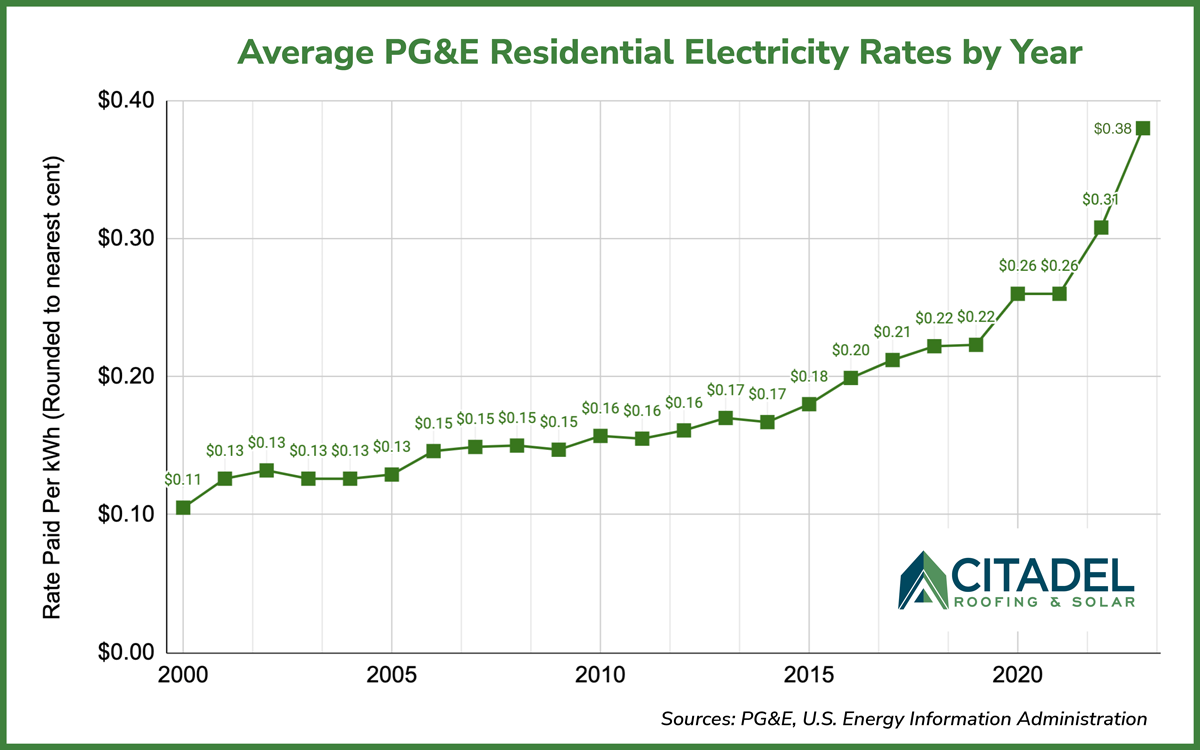
The biggest player in this game, for most residential customers in California, is Time-of-Use (TOU) pricing.
The "Time-of-Use" Tango: Peak, Off-Peak, and Super Off-Peak
This is the big one. With TOU plans, when you use electricity matters just as much as how much you use. PGE, like other utilities, wants to reduce stress on the grid during high-demand times (when everyone's getting home, cooking dinner, and cranking the AC). To do this, they make electricity more expensive during those "peak" hours and cheaper during "off-peak" or "super off-peak" times.

- Peak Hours: This is generally when rates are at their highest. Think late afternoon/early evening (often 4 PM to 9 PM, but check your specific plan!). This is when everyone's using electricity, and PGE charges more to reflect that demand and encourage you to shift usage.
- Off-Peak Hours: These are usually the shoulder hours around peak, and sometimes the weekends. Rates are lower than peak, but not rock bottom.
- Super Off-Peak Hours: Ah, the sweet spot! These are typically overnight hours (say, 10 PM to 7 AM) and sometimes midday during spring/fall when solar production is high. This is when electricity is cheapest. If you're running your dishwasher or charging an EV, this is the time to do it!
So, an average kWh could cost you anywhere from around $0.25 to over $0.50 (and sometimes even higher in summer peak hours for certain plans!) depending on when you consume it, your specific rate plan, and how much you've already used in a billing cycle. See? No single number!
Other Factors & Fees (Because, Of Course)
It's not just TOU, either. Your total bill isn't just the kWh rate multiplied by your usage. There are also:
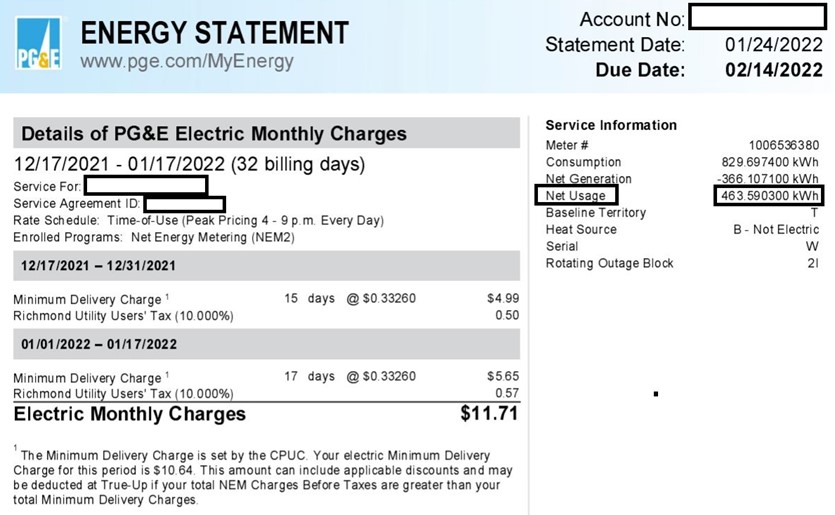
- Baseline Allowances: You get a certain "baseline" amount of electricity at the lowest rate, determined by your climate zone and heating source. Go over that, and rates climb.
- Delivery and Generation Charges: These are often bundled, but conceptually, you're paying for the electricity itself (generation) and the poles and wires that bring it to your house (delivery).
- Public Purpose Programs: A small portion of your bill goes towards things like energy efficiency programs and assistance for low-income customers.
- Taxes and Surcharges: Because, well, taxes.
All of these little line items add up, making that "per kWh" cost a bit of a moving target.
So, What's the "Average" You're Actually Paying?
Given the complexity, quoting an exact cents-per-kWh figure is like trying to nail jello to a wall. However, if you're looking for a ballpark average across different times and plans, you might see figures ranging from around $0.25 to $0.45 per kWh on average for residential customers, though it can swing significantly higher during summer peak hours for specific TOU plans. Again, it REALLY depends on your plan and usage habits. For instance, if you're a heavy user during peak times, your average will be much higher than someone who religiously shifts usage to super off-peak.

The absolute best way to know your current rate is to check your actual PGE bill or log into your account online. They break down your specific plan and the rates for each TOU period. Trust me, it's worth the five minutes.
My Takeaway for You, the Curious Consumer
Don't just stare at that bill in disbelief! Understanding how PGE charges per kWh is your superpower against high energy costs. Here are my two cents (pun intended):
- Know Your Plan: Are you on a TOU plan? What are your peak, off-peak, and super off-peak hours? Seriously, this is game-changing.
- Shift Your Usage: Can you run the dishwasher after 9 PM? Charge your EV overnight? Do laundry on the weekend during super off-peak hours? This is the most impactful thing you can do on a TOU plan.
- Energy Efficiency Still Matters: Beyond shifting, reducing your overall kWh consumption (insulation, LED lights, efficient appliances) always helps, no matter the rate.
- Embrace Smart Tech: Smart thermostats can learn your habits and pre-cool/heat your home during cheaper hours.
It might feel like a convoluted maze, but once you grasp the basics of Time-of-Use and those fluctuating kWh rates, you're much better equipped to manage your energy consumption and, hopefully, avoid those ransom-note-looking bills. Go forth, my energy-savvy friend, and conquer your kWhs!