How Much Does Gas Usually Cost
Ever pull up to the pump, glance at the digital numbers ticking up, and let out a little sigh? You’re not alone! For most of us, fueling up is a regular ritual, a necessary pit stop on the highway of life. But what’s the deal with gas prices? Why do they seem to dance around more than a TikTok influencer, and what’s considered "normal" these days?
Let's dive into the fascinating, sometimes frustrating, world of gasoline costs with an easy-going vibe. Think of it less as a lecture and more as a casual chat over a kombucha.
So, What's "Normal" Anyway?
Ah, the million-dollar question – or perhaps, the three-dollar-a-gallon question. The truth is, there's no single, static "normal" price for gas. It's more like a shifting baseline. Generally, in the U.S., you might expect to see prices fluctuate anywhere from $2.50 to $4.00 per gallon for regular unleaded. But that's a pretty broad stroke, right?
Must Read
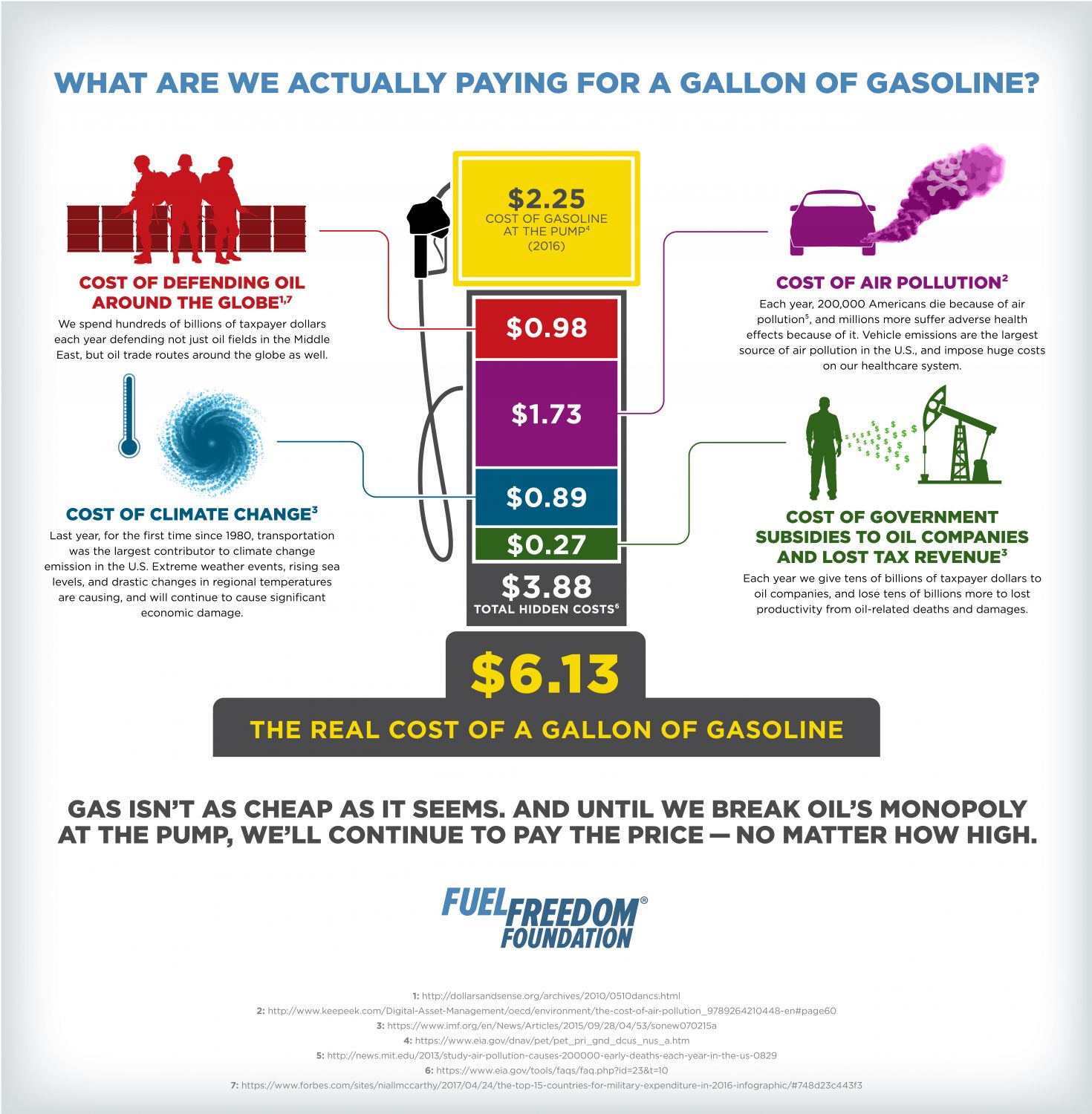
Several big players are constantly pulling the strings behind the scenes. The primary one is the cost of crude oil, which accounts for a huge chunk of what you pay. Geopolitical events, global supply and demand, and even the weather can send crude prices soaring or sinking. Think of a sudden hiccup in oil production halfway across the world, and suddenly, your local pump feels the ripple effect. Then there are refinery costs, distribution, marketing, and of course, taxes – federal, state, and local – which add their own layer to the pricing cake.
Location, Location, Location!
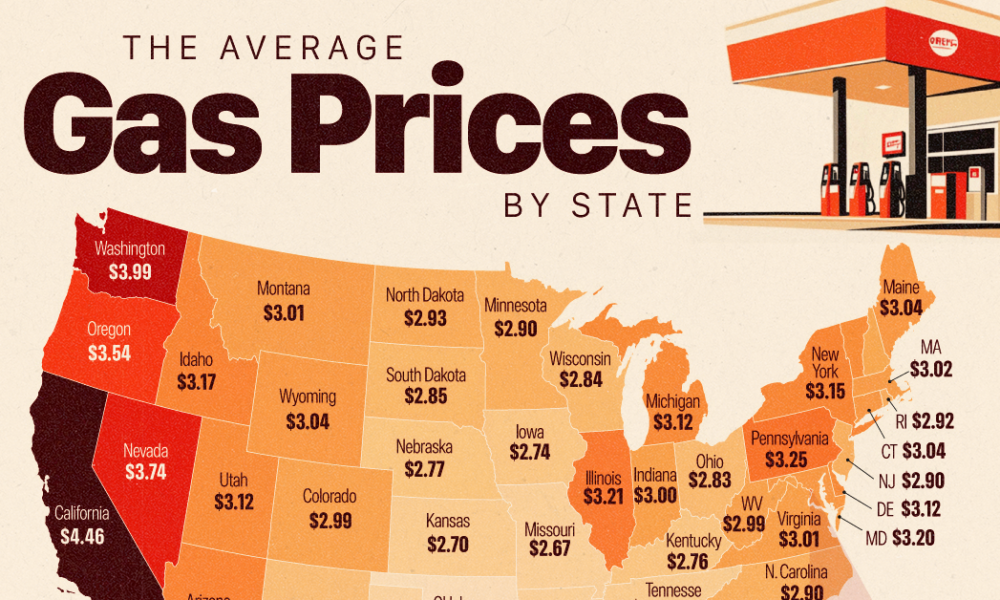
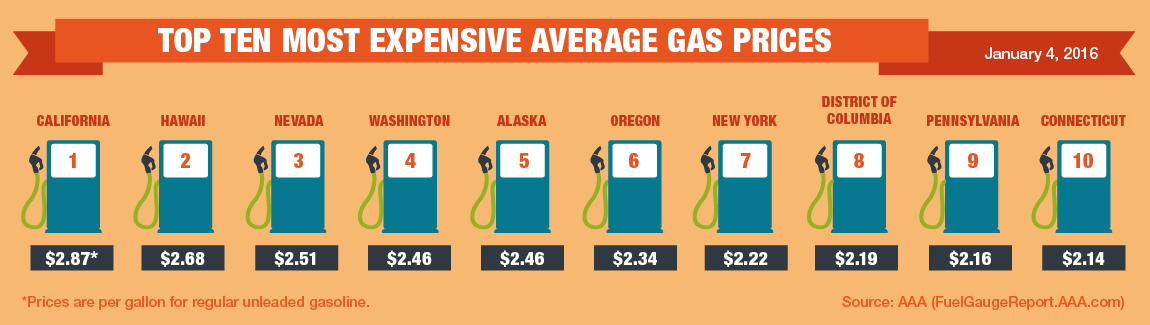
Ever wondered why your cousin in California pays significantly more than your aunt in Texas? It's not just a conspiracy! State and local taxes play a massive role. Some states, like California, have higher gas taxes and stricter environmental regulations (hello, special fuel blends!), which drive up costs. States closer to refineries or oil production hubs, often in the Gulf Coast region, typically enjoy lower prices due to reduced transportation costs.
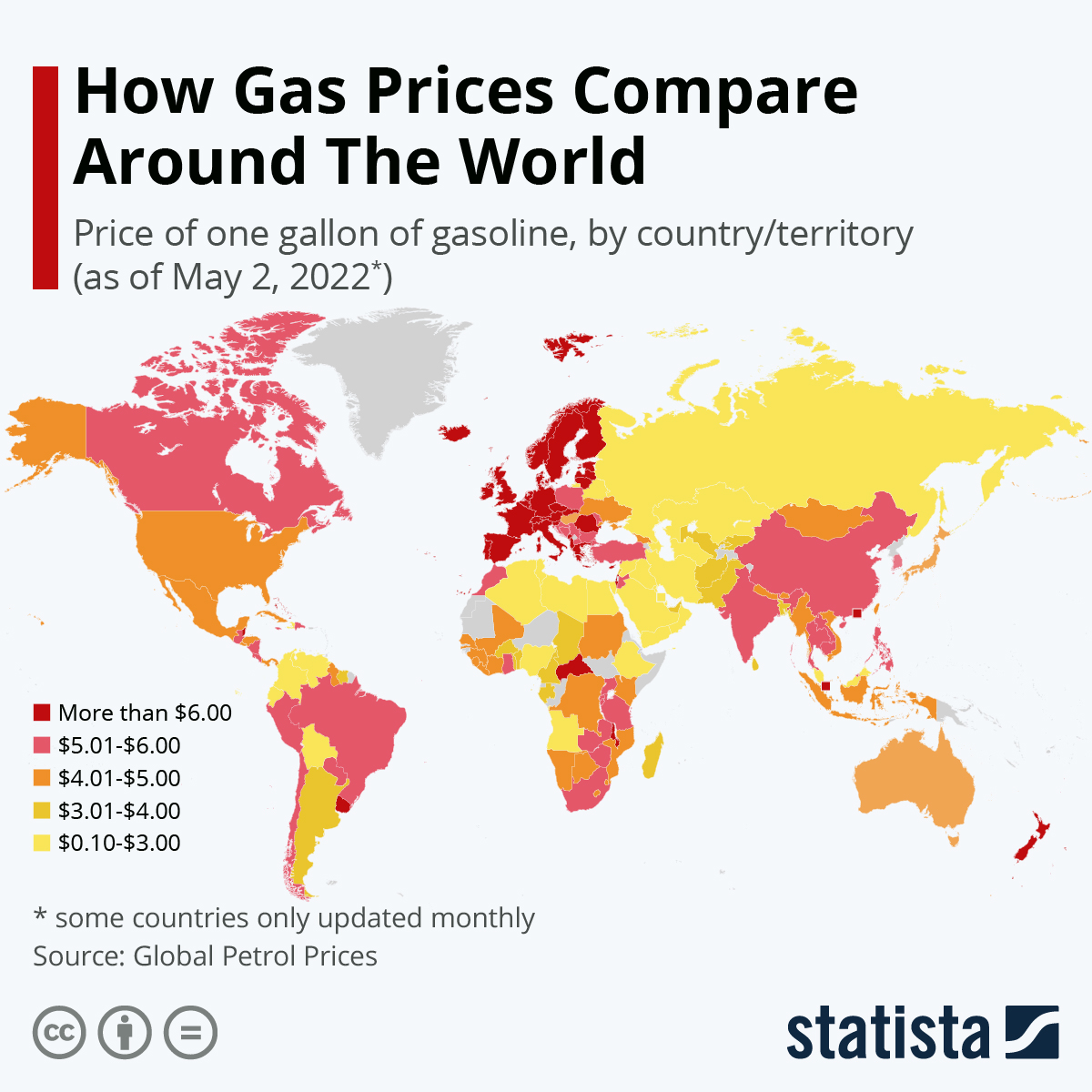
It's a stark reminder that the price you see isn't just about the oil; it's about the entire journey from the ground to your tank. So, before you lament your gas bill, remember that some of it is contributing to your state’s infrastructure or environmental initiatives. A little "fun" fact: globally, some countries like Hong Kong and Norway routinely see prices equivalent to $8-$10 per U.S. gallon! Suddenly, our prices don't look quite so bad, do they?
Pump Smarter, Not Harder: Practical Tips
While you can't control global oil markets, you can control how you interact with the pump and your vehicle. Here are a few savvy ways to keep a little more cash in your wallet:
- Mind Your Driving Habits: This is a big one! Aggressive driving – sudden acceleration, hard braking – is a gas guzzler. Think smooth and steady. Use cruise control on highways to maintain a consistent speed, which is much more fuel-efficient.
- Keep Your Tires Inflated: Under-inflated tires increase rolling resistance, forcing your engine to work harder. Check your tire pressure regularly; it’s a quick fix that can save you significant fuel over time. Plus, it’s safer!
- Lighten the Load: Is your trunk full of things you "might" need? Extra weight means extra fuel consumption. Declutter your car and only carry essentials.
- Combine Errands: Planning your trips effectively can save you multiple short drives. Group your grocery run, post office visit, and dry cleaning pickup into one efficient route. Your engine is least efficient when it's cold, so fewer cold starts mean better overall economy.
- Use Gas Price Apps: Apps like GasBuddy, Waze, or even Google Maps can show you the cheapest gas stations in your area. A few minutes of checking can sometimes save you 10-20 cents per gallon, which adds up!
- Loyalty Programs: Many grocery stores and gas station chains offer loyalty programs that give discounts per gallon. Don't leave free money on the table!
Remember, every little bit helps. It's not about becoming obsessive; it's about making small, conscious choices that add up over time. Think of it as a game to see how much you can save!
The Road Ahead (and Behind)
Gas prices have always been a topic of conversation, a collective sigh at the pump, or a cheer when they drop. They’re a real-time barometer of the global economy, our collective travel bug, and even the weather. From the days of gas lines in the '70s to remembering when a gallon cost less than a dollar (if you're old enough!), prices have told a story.
Ultimately, gas costs are a part of our modern landscape, intertwined with our freedom to explore, commute, and connect. While we can’t control all the variables, understanding them and making smart choices empowers us to navigate the road with a little more confidence and a little less wallet-dread. So, next time you fill up, take a moment to appreciate the journey, both literally and figuratively!