
How Much Does An Led Cost
Ever paused to think about the humble LED light bulb, or the tiny lights on your phone screen? We see them everywhere, from bustling cityscapes to the cozy corners of our homes. But have you ever wondered, "How much does an LED actually cost?"
It's a question that surprisingly doesn't have a single, simple answer. It's like asking, "How much does a shoe cost?" A flip-flop is very different from a designer high heel, right? LEDs are just as varied, each with its own little story.
The Penny-Pinching Powerhouses
Let’s start with the most common kind: the everyday LED bulb you screw into a lamp. Remember those old incandescent bulbs that glowed warm but got scorching hot and burned out quickly? Swapping them for LEDs felt like a magic trick!
Must Read
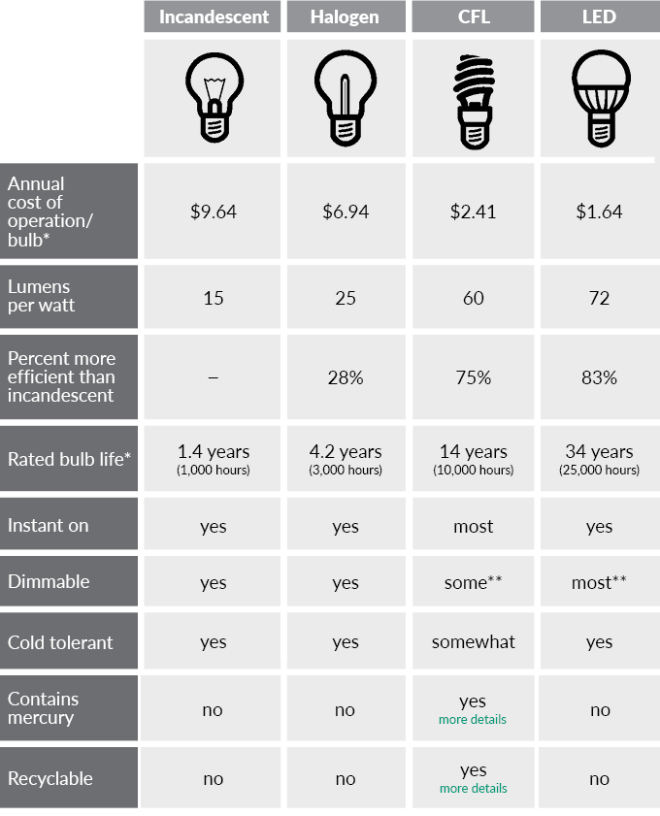
Today, you can grab a pack of basic LED bulbs for a price that would make your grandparents gasp – probably less than a fancy coffee. We're talking about individual bulbs costing just a few dollars, sometimes even under a dollar if you catch a sale. It’s almost unbelievable how cheap they’ve become.
"These little wonders brought light into my dark apartment without draining my wallet. My electricity bill finally stopped looking like a scary monster!"
This affordability is a true marvel of modern manufacturing. What was once a high-tech novelty is now a mass-produced staple, lighting up millions of homes with incredible efficiency. They last for years and years, saving you money and hassle in the long run.
The Unseen Sparkle: LEDs Hiding in Plain Sight
But not all LEDs are just bulbs. Think about your smartphone. Every single pixel on its vibrant screen is a tiny LED, or part of an LED system. Your giant flat-screen TV? Packed with thousands, if not millions, of them.
The cost of these LEDs isn't something you see on a price tag for just the light component. It's baked into the overall cost of the device. You’re paying for the incredible engineering that makes them so tiny, so bright, and so responsive.

Consider the subtle glow of your car's dashboard, the sharp beam of its headlights, or even the blinking lights on your router. Each of these is an LED, carefully chosen for its specific purpose. They contribute to the safety, functionality, and aesthetics of products we use daily.
From Traffic Lights to Art Installations
Even something as mundane as a traffic light relies on powerful, long-lasting LEDs. Imagine the cost savings for cities that no longer have to send crews out to replace bulbs constantly! They're robust and incredibly bright, ensuring safety on our roads.
Then there are the truly dazzling applications: giant LED billboards that light up Times Square, or elaborate art installations that mesmerize crowds. Here, the sheer volume and complexity of the LED arrays drive the cost up significantly, but the visual impact is absolutely priceless. It’s an investment in spectacle and communication.
When LEDs Get Smart (and a Little Pricey)
Move beyond basic illumination, and the price tag starts to climb. Enter the world of smart LEDs. These aren't just lights; they're tiny computers that talk to your phone, your smart home assistant, or even your mood ring (okay, maybe not the last one).

A single smart bulb, capable of changing colors, dimming with your voice, or even syncing to music, might cost anywhere from $10 to $50 or more. You're not just buying the light-emitting diode; you're buying the tiny Wi-Fi chip, the software, and the ability to control your lighting from anywhere.
"I bought a smart bulb for my bedroom, and now I can turn my lights a soothing blue before bed or a cheerful yellow in the morning. It feels like living in the future, even if it cost a bit more upfront!"
This is where the fun factor really kicks in. Imagine hosting a party and having your lights pulse to the beat of the music, or setting a warm, cozy glow for movie night with a simple voice command. The cost here is for the convenience, the customization, and the sheer delight.
The Growers, The Healers, The Specialists
Beyond our homes, LEDs take on even more specialized roles. LED grow lights, for instance, are meticulously designed to emit specific wavelengths of light that plants need to thrive. These aren't just for growing tomatoes; they're vital for indoor farming, helping feed communities.
These specialized fixtures can range from a few dozen to hundreds, even thousands, of dollars, depending on their size and spectrum capabilities. They represent a significant investment, but one that can yield impressive results for agriculture and scientific research. It's a testament to the versatility of these tiny light sources.
There are also LEDs used in medical devices, for treating skin conditions or even aiding in surgical procedures. These highly specialized LEDs, often found in precise arrays, come with rigorous testing and certification, pushing their cost into a whole different league. Their value is measured not just in dollars, but in patient well-being and scientific advancement.

The Journey of a Light Ray: Why the Price Dropped So Much
It’s incredible to think that when LEDs first appeared for commercial use, a simple red indicator light could cost several dollars. Now, you get a whole houseful of bright white light for almost the same price! This dramatic drop is thanks to relentless innovation and economies of scale.
Scientists and engineers have been working tirelessly, improving manufacturing processes, discovering new materials, and making LEDs more efficient and cheaper to produce. It's a heartwarming tale of human ingenuity bringing light to the masses.
Think of it as a journey from artisanal, handcrafted light-emitters to highly automated factories churning out millions of identical, perfect little light sources every day. This mass production is the secret sauce behind their incredible affordability. The initial invention was expensive, but perfecting the production made them accessible.
More Than Just a Chip: The Whole Package
When you buy an LED product, you're rarely just buying the tiny light-emitting chip itself. There's a whole entourage that comes with it. For a bulb, there’s the driver (which regulates the power), the heat sink (to keep it cool), the diffuser (to spread the light evenly), and the bulb housing itself.
For a light strip, there’s the flexible circuit board, the adhesive, and often a power supply. All these components, along with the brand, the warranty, and the design, contribute to the final price. It's a package deal, ensuring safety, longevity, and performance.
So, a premium brand LED bulb might cost more not just because of the LED inside, but because of superior components, better engineering, and perhaps a longer warranty. It's like comparing a budget smartphone to a flagship model – both make calls, but one offers a much more refined experience.
The True Value: Beyond the Price Tag
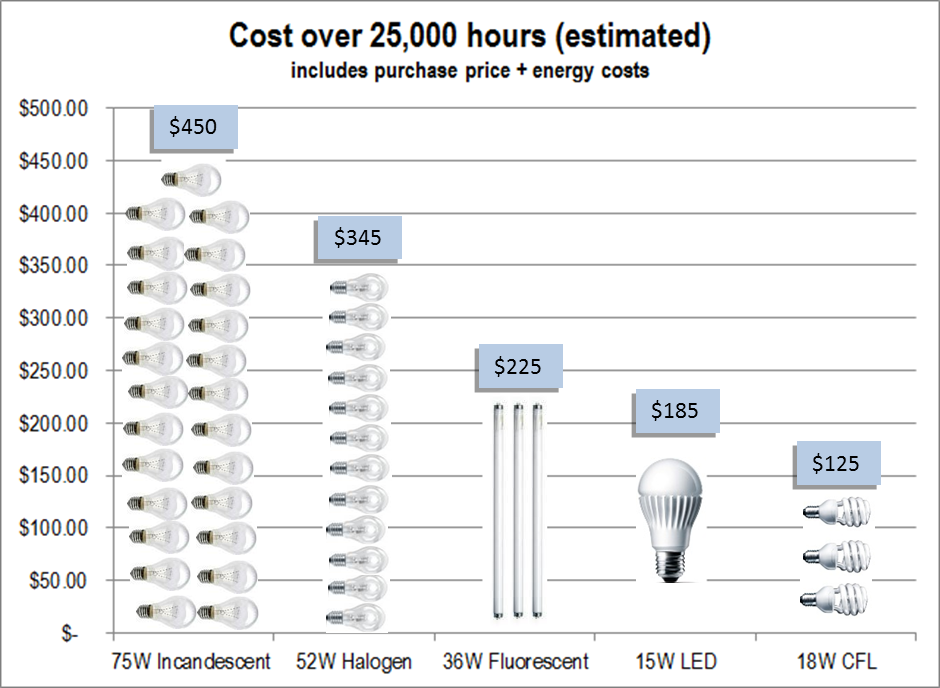
Ultimately, the "cost" of an LED isn't just its upfront price. It's about the value it brings. An LED bulb might cost a few dollars, but it saves you much more on electricity over its lifetime. It reduces waste because you're not constantly throwing out burnt-out bulbs.
The smart LED might be $20, but it transforms your home's ambiance and convenience, bringing joy and relaxation. The massive LED screen might cost millions, but it entertains thousands, informs millions, and creates unforgettable experiences.
Whether it's lighting up a child's nightlight, guiding a car down a dark road, or displaying stunning visuals, LEDs offer incredible value across an astonishing range of prices. They are a testament to how small, seemingly simple innovations can brighten our world in countless, often surprising, ways. So next time you flick a switch, give a little nod to these amazing, cost-effective light-bringers!