
How Much Does Ac Cost To Run
Ah, summer! That glorious season of sunshine, outdoor fun, and… the sweet, sweet sound of your air conditioner humming. It’s our hero against the heat, a silent guardian keeping our homes comfy and cool.
But let’s be honest, there’s often a little voice in the back of our minds. It whispers, "How much is this comfort really costing me?" You’re not alone if you’ve wondered about the price tag of that breezy relief.
Understanding your AC’s running cost doesn’t have to be a big mystery. It's actually quite fascinating to learn what makes those numbers tick. Let's peel back the layers and discover the secrets behind your cooling bill.
Must Read
The Big Players in Your AC Bill
Several factors gang up to determine how much you pay. Think of it like a recipe for your electricity bill. Each ingredient adds its own flavor, or in this case, its own cost.
One of the biggest influencers is your AC unit itself. Is it an old veteran or a sprightly newcomer? Newer models are often much more energy-efficient, meaning they do more cooling with less power.
Then there's your location. Electricity rates vary wildly from one town to the next, even within the same state. What you pay per kilowatt-hour makes a huge difference to your overall cost.
Your AC’s Mighty Power: BTUs
Ever heard of BTU? It stands for British Thermal Unit, and it’s how we measure an AC’s cooling power. A bigger room needs more BTUs to cool down effectively.
Getting the right size AC for your space is super important. An AC that’s too small will run constantly, struggling to keep up. This means higher energy use and a higher bill.
On the flip side, an AC that’s too large might cool your home too quickly. It will cycle on and off frequently, which isn't efficient either. This can lead to uneven cooling and higher humidity levels.
Finding the perfect BTU fit is like choosing the right shoe size – it makes all the difference for comfort and performance!
The Efficiency Factor: SEER and EER
When you buy an AC, you’ll often see terms like SEER or EER. These are like the gas mileage ratings for your air conditioner. They tell you how efficiently your unit converts electricity into cooling power.

SEER stands for Seasonal Energy Efficiency Ratio. It's a measure for central air conditioners. The higher the SEER number, the more efficient the unit, and the less it will cost to run over a cooling season.
EER is the Energy Efficiency Ratio, often used for window units. It’s similar to SEER but measures efficiency at a specific outdoor temperature. Again, a higher number means better efficiency and savings.
Upgrading to a unit with a higher SEER rating can feel like a big upfront investment. However, those daily savings can really add up over time, making it a smart financial move in the long run.
Your Habits Play a Starring Role
Believe it or not, you are a major factor in your AC's running cost. How you use your air conditioner has a huge impact on your monthly bill.
Do you crank it down to Arctic temperatures the moment you feel a little warm? Or do you keep it at a more moderate setting? Every degree lower adds to your energy consumption.
Running your AC when no one is home is another common culprit. It’s like leaving the lights on in an empty room. Why pay to cool a vacant house?
Using a programmable thermostat or a smart thermostat can be a game-changer. These clever gadgets learn your schedule and adjust temperatures automatically. They can save you a surprising amount of money without you even thinking about it.
The Local Electricity Maze
Electricity prices are not one-size-fits-all. They fluctuate based on your utility provider, local demand, and even the time of day you use power. Some areas have "peak hours" where electricity costs more.
Understanding your local utility’s rate structure is valuable. If you can shift some of your heavy AC usage away from peak times, you might see noticeable savings on your bill.
Check your electricity bill for details on your exact rates. Sometimes, utility companies offer different plans, and one might be better suited for your cooling habits.
Beyond the Unit: Your Home's Role
It's not just the AC unit doing all the work; your home itself is part of the cooling team. Poor insulation, leaky windows, and gaps around doors can let all that expensive cool air escape.
Think of your home as a giant cooler. If the lid isn't sealed properly, the ice melts faster, right? The same principle applies to your AC. Good insulation keeps the cold in and the heat out.
Sealing those drafts and cracks around windows and doors can make a real difference. It’s often an inexpensive fix that yields surprising results in energy savings.
Even things like curtains and blinds play a part. Keeping them closed during the hottest parts of the day blocks direct sunlight. This prevents your home from heating up like a greenhouse.
The Maintenance Magic
Just like your car, your AC needs regular tune-ups. Neglecting maintenance can turn your efficient cooling machine into a power-hungry monster. Dust and grime are its enemies.
Changing your air filter regularly is probably the easiest and most important step. A clogged filter makes your AC work much harder to push air through. This means more energy use and less effective cooling.
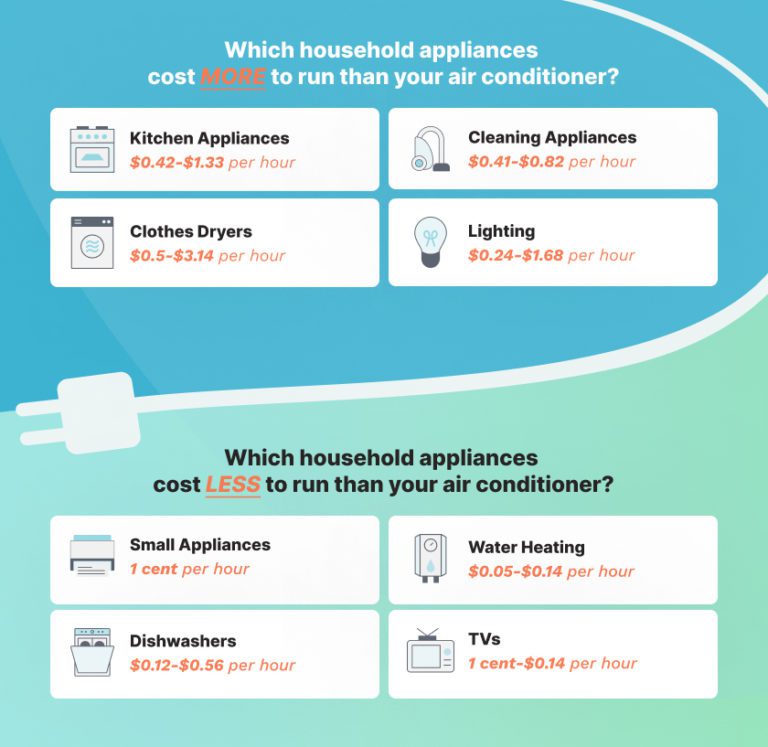
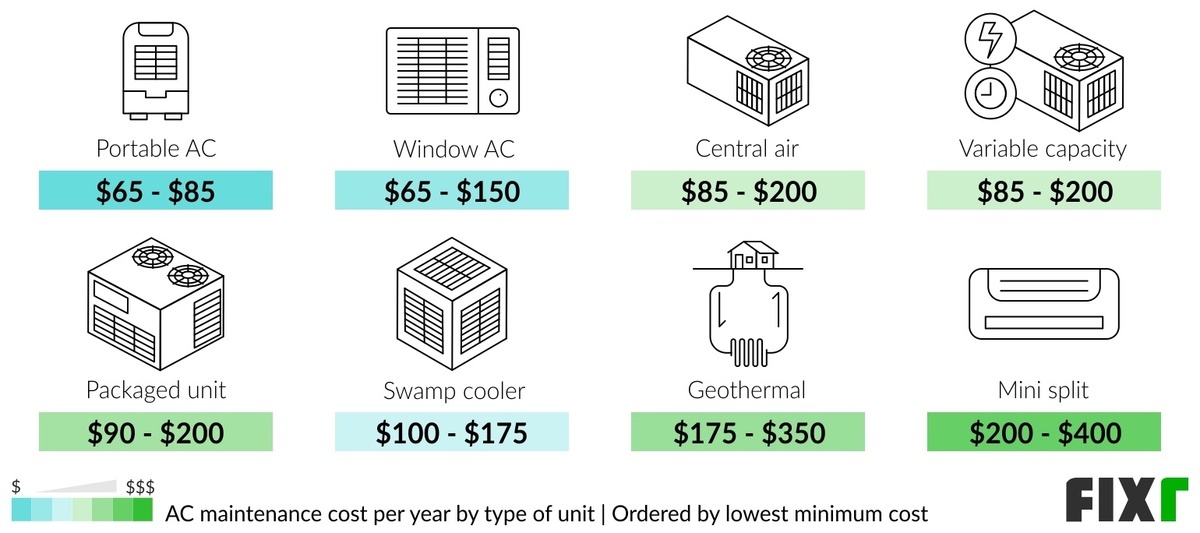
Scheduling a professional check-up once a year is also a smart move. Technicians can clean coils, check refrigerant levels, and spot small issues before they become expensive problems. A well-maintained unit runs more efficiently and lasts longer.
Regular AC maintenance is like giving your unit a spa day – it comes back refreshed, efficient, and ready to save you money!
So, What's the Actual Cost?
Pinpointing an exact dollar amount is tricky because of all these variables. However, we can look at averages and how to estimate.
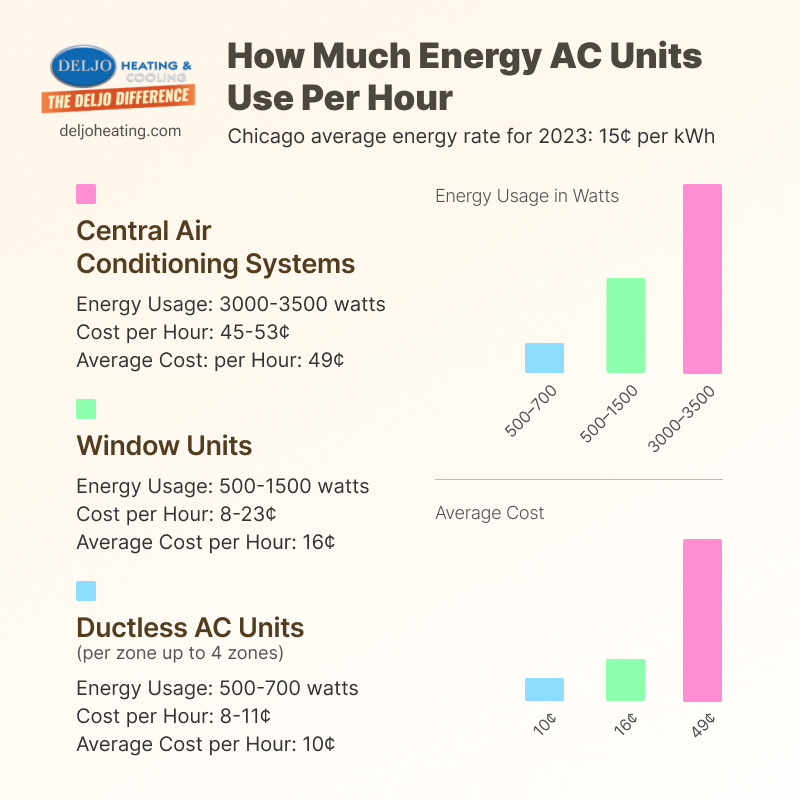
Many homes spend anywhere from $50 to $200+ per month on air conditioning during peak summer months. This range highlights how much difference all the factors we discussed can make.
To get a rough estimate for your own home, find your AC's wattage (or estimate it based on BTUs and efficiency). Multiply that by how many hours you run it per day, then by 30 days, and finally by your electricity rate.
A 3-ton (36,000 BTU) central AC, for example, might use around 3,500 watts. If you run it 8 hours a day, and your electricity costs 15 cents per kWh, that’s roughly $126 per month. Remember, this is a simplified example!
Smart Ways to Keep Your AC Bill Happy
Now for the fun part: how to fight back against those high bills! There are many simple strategies to enjoy your cool home without breaking the bank.
First, try setting your thermostat a little higher. Even moving it up by a few degrees, say from 72°F to 75°F, can lead to significant savings. You might not even notice the difference in comfort.

Use ceiling fans! They create a wind chill effect, making you feel cooler. This allows you to set your thermostat a bit higher and still feel comfortable. Just remember to turn them off when you leave the room.
Seal those air leaks. Use caulk and weatherstripping around windows, doors, and any openings. It’s an easy DIY project that pays off quickly.
Keep your blinds and curtains closed during the hottest parts of the day. This simple trick prevents the sun's heat from turning your home into an oven.
Don't forget about professional maintenance. A yearly check-up ensures your system is running at its absolute best. Think of it as preventative care for your wallet.
Consider upgrading if your AC is very old. A new, high-efficiency model might cost more upfront, but the long-term energy savings can be substantial. Look for energy-star certified units.
Finally, embrace smart technology. A smart thermostat learns your preferences and can be controlled from your phone. You can adjust the temperature even when you’re not home, preventing wasteful cooling.
Wrapping Up the Cool Costs
So, how much does AC cost to run? It's not a fixed number, but a dynamic one. It depends on your equipment, your home, your habits, and where you live.
The good news is that you have a lot of control over that cost. By understanding the factors at play and adopting some smart strategies, you can enjoy your cool home without dreading your electricity bill.
Being mindful of your AC usage isn't just good for your wallet; it's also better for the environment. So, go ahead, enjoy that blissful cool air, but do it wisely!