
How Much Does A Life Alert System Cost

Okay, picture this: My Aunt Carol, bless her cotton socks, is fiercely independent. She’s in her late 70s, still gardening, still baking the most incredible lemon meringue pie, and absolutely refuses to let anyone baby her. A few months ago, she was reaching for something on a high shelf (because, obviously, step stools are for the weak, right?), and next thing you know, she’s doing an impromptu tango with gravity. Luckily, she only bruised her pride and her hip, but for a solid ten minutes, she couldn't get up. My blood ran cold just thinking about it. And what's the first thing that pops into your head when you hear a story like that? Probably the iconic, "I've fallen and I can't get up!" commercial, am I right?
That phrase is practically burned into our collective consciousness, synonymous with the company Life Alert. It's the go-to mental image for anyone considering a medical alert system for themselves or an aging loved one. But once that initial thought sparks, the next one inevitably follows: "Okay, but… how much does a Life Alert system cost?" Good question, my friend. And it’s not always as straightforward as you might think.
So, What's the Deal with Life Alert Cost?
Let's be real, when you're thinking about something as important as immediate help in an emergency, cost shouldn't be the only factor. But it’s definitely a factor, especially when budgets are tight. You'd expect a clear price list, right? Maybe a tidy little table breaking down monthly fees, equipment costs, and what-have-you. Well, prepare for a slight curveball.
Must Read
Here’s the rub: Life Alert doesn't publicly list its pricing online. Nope, not usually. If you go to their website hoping to find a clear "plans and pricing" page, you're likely to be met with a friendly encouragement to "Call for a free quote!" (And probably a testimonial or two, bless their hearts.) This can be a bit frustrating, especially if you're the kind of person who likes to do all your research discreetly from the comfort of your couch. (Guilty as charged, by the way.)
Diving into the Dollars (and Sense!)
While we can't give you Life Alert's exact numbers without you making that phone call, we can talk about the general structure of how these systems are typically priced. This will help you know what questions to ask when you do pick up the phone, whether it’s for Life Alert or one of their many competitors.
- Monthly Monitoring Fee: This is the big one. It's the recurring cost for having a 24/7 monitoring center ready to answer your call for help. For most medical alert systems (not specific to Life Alert), this can range anywhere from $20 to $50+ per month, depending on features.
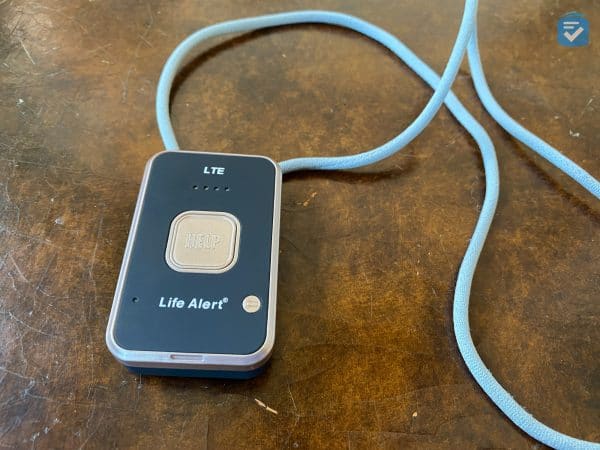
- Equipment Cost: Some companies charge an upfront fee to buy the equipment (the base station, the wearable button). Others, like Life Alert, often advertise "free equipment" but it's typically a lease, meaning you don't own it and must return it if you cancel service.
- Activation Fee: Think of this as a setup fee. Not all companies charge one, but some do. It can be a one-time charge of $20-$100 or more.
- Installation Fee: For most modern systems, especially the DIY ones, this isn't usually a thing. You just plug it in! But for more complex setups, it could theoretically be a cost. (Unlikely for standard systems these days, though.)
- Contract Length: Are you signing up month-to-month, or is there a longer-term contract? Sometimes a longer commitment can lead to a slightly lower monthly rate, but it also means less flexibility.
Life Alert: The Elephant in the Room
So, back to Life Alert specifically. From what consumers and industry observers have reported over the years, their pricing tends to be on the higher end of the spectrum compared to many other medical alert providers. This is often attributed to their brand recognition, extensive advertising, and a comprehensive service package. Estimates for their monthly fees often fall in the $40 to $80+ range, potentially with some upfront costs for equipment or activation. Again, these are educated guesses based on common experience, not official numbers.
They often bundle services. For instance, you might get an in-home system and a mobile unit, or fall detection included, which can drive up the cost but also increase the value if you need those features. The key takeaway here is: you gotta call 'em.
What Factors Influence the Price Tag?
When you're comparing, remember that the price isn't just a number; it reflects the features. Here’s what can make the cost go up or down:
- Fall Detection: This is a big one. An automatic fall detection pendant adds another layer of safety (and usually about $10-$15 to your monthly bill). It's incredibly valuable but comes with a premium.
- GPS/Mobile Capabilities: If you or your loved one is active outside the home, a mobile unit with GPS tracking is essential. These typically cost more than basic in-home systems.
- Add-ons: Extra wall buttons, lockboxes for emergency responders, medication reminders – these can all add to the total.
- Payment Plans: Some companies offer discounts if you pay quarterly or annually instead of monthly.
- Provider Reputation & Service: Sometimes, paying a little more means better customer service, more reliable equipment, or a more experienced monitoring center. It’s worth considering.
The Smart Shopper's Guide to Getting a Quote
Since you'll be calling, here’s my friendly advice:
- Know What You Need: Before you call, think about the specific needs. In-home only? Mobile? Fall detection? This helps you ask targeted questions.
- Ask About All Fees: Don't just ask about the monthly fee. Specifically inquire about activation fees, equipment costs (purchase vs. lease), shipping, and any hidden charges.
- Inquire About Contracts: Is it month-to-month? What are the cancellation policies? Are there penalties for early termination?
- Compare, Compare, Compare: Don't just call Life Alert. Call a few other reputable medical alert companies too! Get quotes, write them down, and compare their features and total costs side-by-side. Brands like Bay Alarm Medical, Medical Guardian, and MobileHelp are often good starting points.
Is It Worth It?
Ultimately, the "cost" of a Life Alert system, or any medical alert system, isn't just about the dollar amount. It's about peace of mind. It’s about knowing that if Aunt Carol does another impromptu dance with gravity, someone will be there to answer her call, even if she can't get up. For many, that's priceless. Just make sure you do your homework to find the right system that fits both your needs and your budget. Happy hunting!

