
How Much Do Solar Panels Cost In Vermont
Okay, so picture this: It's a classic Vermont winter day. The kind where the snow is falling like someone dumped a giant bag of powdered sugar all over the Green Mountains, and you're snuggled up inside, probably with a mug of something warm. All is cozy, right? Until you hear that familiar ping on your phone – your utility bill just dropped. And suddenly, that cozy feeling gets a little chillier. You open it up, squint at the numbers, and think, "Seriously? How much did I pay to keep this house from becoming an igloo this month?"
Sound familiar? If you live anywhere north of, say, Hartford, Connecticut, you probably know exactly what I'm talking about. And for us Vermonters, with our chilly winters and sometimes steamy summers, those electricity bills can really add up. That's usually the moment when the little lightbulb goes off (ironically, probably an LED now) and you start thinking, "What about solar? How much do those panels even cost around here?"
You, my friend, are not alone. That question pops into the minds of countless Vermonters every year. And it's a good one! Going solar isn't just about saving the planet (though that's a huge bonus, obviously), it's also about taking control of your energy future and, let's be honest, hopefully saving some serious cash in the long run. But first, you gotta know the entry fee, right?
Must Read
What Actually Affects the Solar Price Tag in Vermont?
When we talk about solar panel costs, it's not a one-size-fits-all deal. Think of it like buying a car – a compact sedan is a lot different from a beefed-up truck. Similarly, a lot of variables play into the final price of your solar system. And Vermont, with its unique climate and topography, adds its own little twists.
First up, system size. This is probably the biggest factor. How much electricity do you use? A small cabin will need a much smaller system (measured in kilowatts, or kW) than a sprawling farmhouse with an EV charger and a hot tub. The more power you need to generate, the more panels you'll need, and thus, the higher the cost.

Then there's the type of panels and equipment. Like anything else, there's a range of quality and efficiency. Some panels are top-of-the-line, super-efficient beauties that can squeeze more juice out of every ray of sun, even on a cloudy Vermont day. Others are more budget-friendly. You'll also have different inverter types (the brain of your system) and mounting options (roof vs. ground mount). Speaking of roofs, the complexity of your roof plays a role too. A simple, south-facing gable roof is easier (and cheaper) to install on than a multi-angled, shaded slate roof with dormers galore.
And let's not forget labor costs. Installation is specialized work, and while Vermont generally has competitive labor rates, highly skilled solar installers deserve to be paid for their expertise, especially when they're working on a snowy rooftop in January. You want it done right, after all!
So, What Are We Talking, Numbers-Wise?
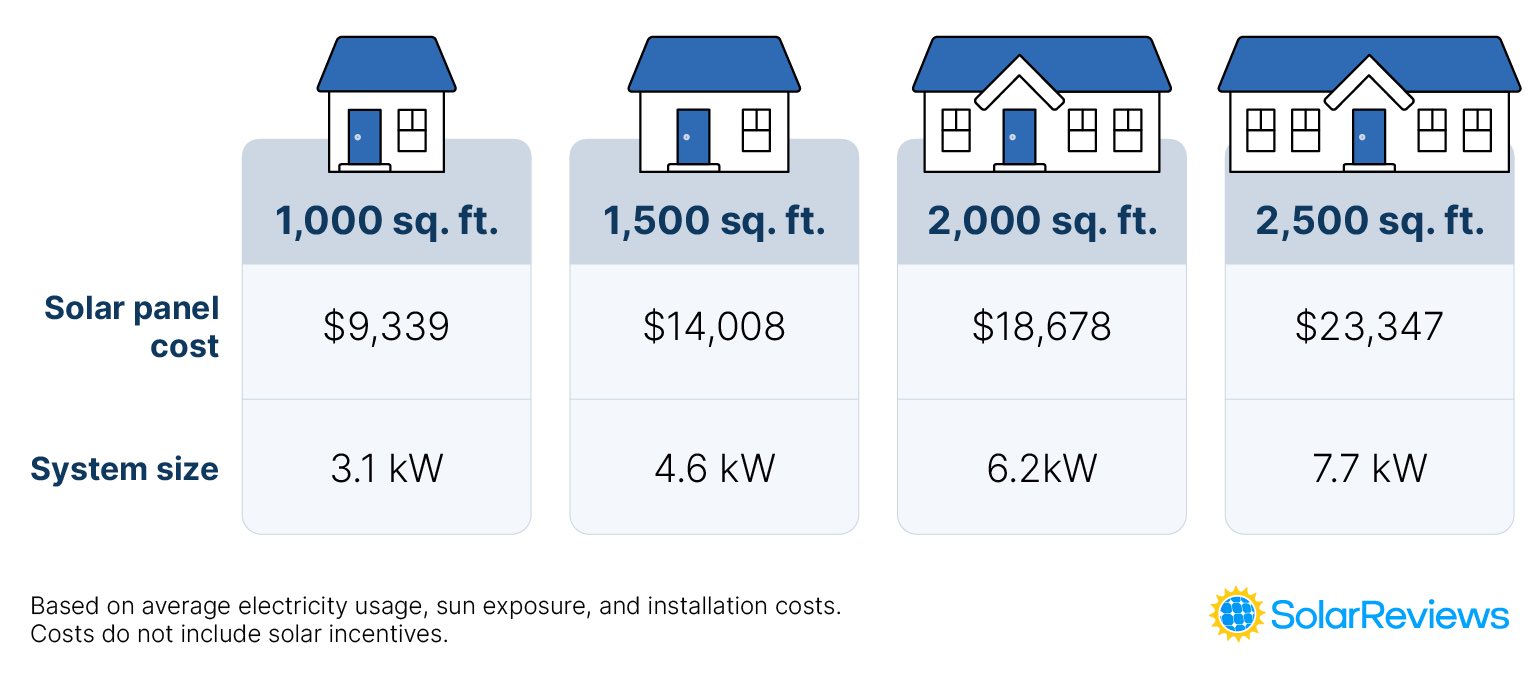
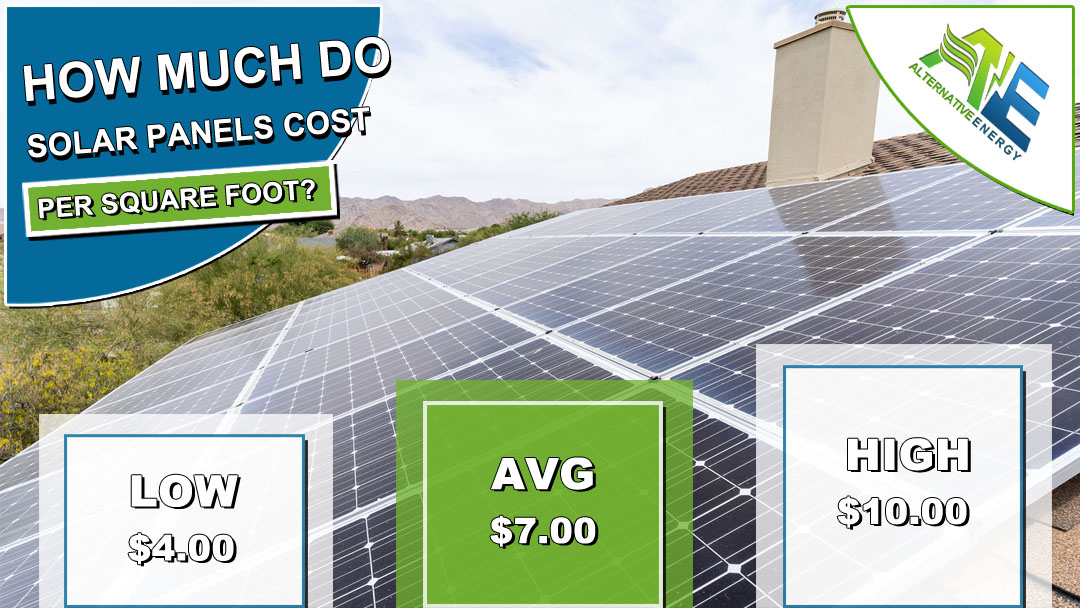
Alright, let's get down to the brass tacks. While exact figures are always fluctuating and depend heavily on those factors we just talked about, we can give you a ballpark. In Vermont, before any incentives (and we'll get to those magical things in a sec!), you're generally looking at a range of about $2.80 to $3.50 per watt.

What does that mean for a typical home? A common residential system in Vermont might be around 6 kW to 10 kW. So, if we take an 8 kW system as an example:
- 8,000 watts x $2.80/watt = $22,400
- 8,000 watts x $3.50/watt = $28,000
So, roughly in the $22,000 to $28,000 range before incentives for an average-sized system. This might seem like a hefty chunk of change at first glance, and it is! But here's where the plot thickens and things get much, much more interesting.
The Vermont Solar Magic: Incentives and Rebates!
This is truly where solar in Vermont (and across the US) becomes a no-brainer for many. The upfront cost can be significantly reduced thanks to some awesome programs designed to get more people harnessing the sun's power.
The absolute biggest player in this game is the Federal Solar Investment Tax Credit (ITC). This isn't just for Vermonters; it's a nationwide program. Right now, it allows you to claim 30% of your total system cost as a tax credit. This isn't just a deduction; it's a dollar-for-dollar reduction in what you owe in federal taxes. That's HUGE!
Let's revisit our 8 kW system example:
- If your system cost $25,000, that's a $7,500 tax credit!
Suddenly, that $25,000 system is effectively costing you $17,500. See? Told you it gets interesting!

Beyond the federal ITC, Vermont itself has some great policies that make solar financially attractive, even if they aren't direct upfront cash rebates. The most significant is net metering. This basically means that when your solar panels produce more electricity than you're using, that excess power goes back into the grid, and your utility company gives you a credit on your bill. When your panels aren't producing (like at night), you draw from the grid, and those credits offset what you owe. It's like your meter runs backward sometimes, which is pretty cool if you ask me!
There might also be various local or utility-specific incentives or loan programs depending on where exactly in Vermont you live and which utility serves you. It's always worth asking your potential solar installer about any additional programs that could sweeten the deal even further. They're usually well-versed in all the local goodies!
So, when you factor in the federal tax credit and the long-term savings from net metering (and not having to pay those ever-increasing utility rates!), the investment starts to look a lot more appealing. It's not just a feel-good environmental choice; it's a genuinely smart financial move for many Vermont homeowners. Go get some quotes and see what the sun can do for your wallet!