How Much Calcium I Need Per Day

Let's talk calcium! Now, I know what you're thinking: calcium, that's boring, right? Wrong! Think of it like this: calcium is the unsung hero of your body, the secret ingredient to a long and healthy life. It's not just about strong bones (although that's a big part of it!), it's about keeping your whole system running smoothly. So, how much of this amazing mineral do we actually need each day? Let's dive in and find out!
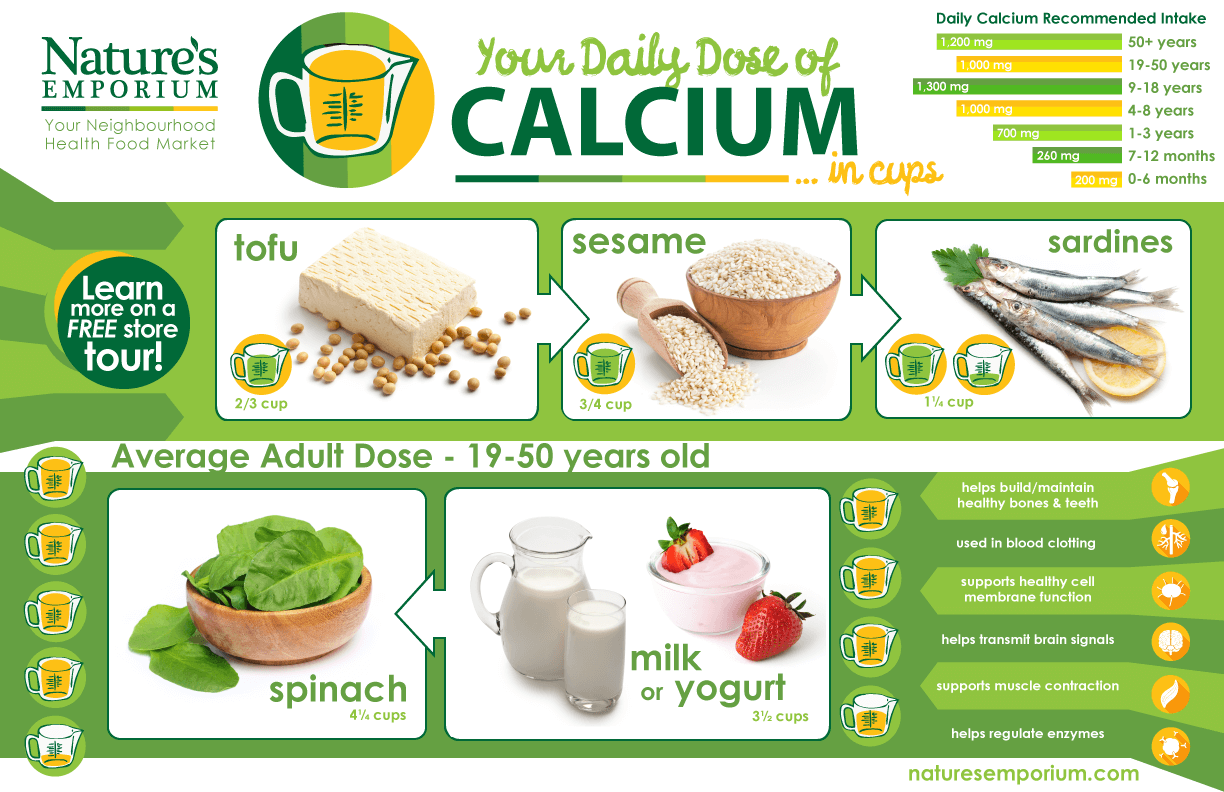
The purpose of calcium is pretty straightforward: it's the primary building block for your bones and teeth. Think of it as the mortar that holds the bricks of your skeletal system together. Without enough calcium, your bones can become weak and brittle, leading to conditions like osteoporosis later in life. But the benefits of calcium go way beyond just bone health.
Calcium also plays a crucial role in other vital bodily functions. It helps your muscles contract, your nerves transmit messages, and your blood clot properly. In fact, every cell in your body uses calcium in some way! Ensuring you get enough calcium can help prevent muscle cramps, support healthy nerve function, and even contribute to a regular heartbeat. Talk about a multi-tasker!
Must Read
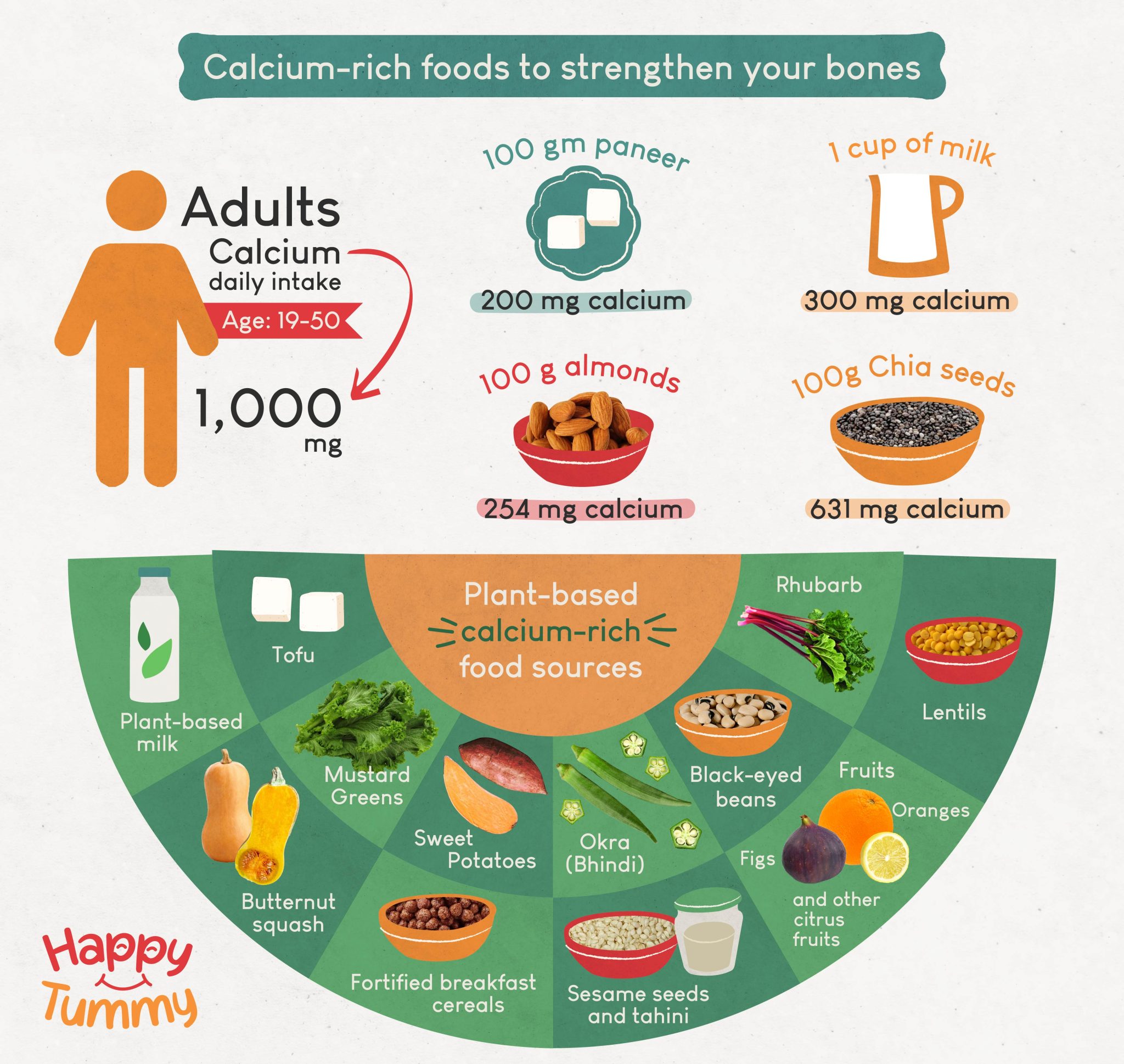
So, how much calcium are we talking about? The recommended daily intake varies depending on your age and sex. For most adults between 19 and 50, the magic number is around 1,000 milligrams (mg) per day. Women over 50 and men over 70 need a bit more, bumping up to around 1,200 mg per day. Children and teenagers also have different requirements to support their growing bodies, so it's always a good idea to chat with your doctor or a registered dietitian to figure out what's best for you.
Now, the good news: getting enough calcium doesn't have to be a chore! Think delicious dairy products like milk, yogurt, and cheese. Leafy green vegetables like kale and spinach are also great sources. And don't forget about fortified foods like orange juice and cereals. Reading food labels is your friend here – they'll tell you exactly how much calcium you're getting in each serving.
Worried about getting enough calcium from your diet? A calcium supplement might be a good option, but it's always best to talk to your doctor first. Too much calcium can actually have negative side effects, like kidney stones. It's all about finding the right balance.
In conclusion, calcium is essential for overall health and well-being. By understanding your daily calcium needs and incorporating calcium-rich foods into your diet (or considering a supplement if needed), you can keep your bones strong, your muscles happy, and your body functioning at its best. So, go ahead, grab a glass of milk and give your body the calcium love it deserves! Your future self will thank you!