
How Much Are Solar Panels In Georgia

Alright, y'all, pull up a chair, grab a sweet tea (or something stronger, no judgment here), because we're about to dive into a question that keeps many a Georgian sweating through their socks: "How much are solar panels in Georgia?" It's a question whispered in backyards, muttered over mounting electricity bills, and often met with the kind of shrug usually reserved for explaining the offside rule in soccer. But fear not, your friendly neighborhood solar gossip is here to spill the tea!
First off, let's get one thing straight: asking for a single, definitive price for solar panels is like asking how much a plate of "Southern cookin'" costs. It depends! Are we talking a humble plate of biscuits, or a full-on Thanksgiving feast with all the fixings? See? Same principle applies to solar.
The Nitty-Gritty: What Makes the Price Tag Tick?
So, you want to know what influences the almighty dollar amount? Let's break it down like a particularly stubborn pecan pie:
Must Read
1. System Size (aka: How Much Power Do You Need, Sunshine?)
This is the big one. Solar systems are measured in kilowatts (kW). Think of it like this: a small, efficient car vs. a gas-guzzling monster truck. A cozy cottage might need a 6 kW system, while a sprawling estate with a penchant for air conditioning set to "Arctic blast" might need 10 kW or more. The bigger the system, the more panels, and thus, the higher the initial sticker price.
A typical Georgian home often falls in the 6 kW to 10 kW range. And before incentives, you're generally looking at something in the ballpark of $2.50 to $3.50 per watt. So, for an 8 kW system (that's 8,000 watts), you're eyeing something like $20,000 to $28,000. Remember, this is like the price of admission to the amusement park before you get to ride the cool rides (i.e., tax credits!).
![The Cost of Solar Panels in Georgia [Updated December 2025]](https://ecogenamerica.com/wp-content/uploads/Complete-Guide-to-Georgia-Solar-Incentives-768x512.webp)
2. Panel Type & Efficiency (The "Fancy" Factor)
Not all solar panels are created equal. Some are like the reliable, sturdy pickup truck – they get the job done. Others are the sleek, high-performance sports car – they convert sunlight into electricity with mind-boggling efficiency. Brands, warranties, and how well they perform on cloudy days all play a role. Higher efficiency often means fewer panels needed for the same power, which can save roof space, but might come with a slightly higher per-panel cost.
3. Installation Complexity (Is Your Roof a Yoga Master?)
Is your roof a simple, flat canvas, or a multi-angled obstacle course? The easier it is for installers to safely mount panels, the less labor cost. Things like roof pitch, material (shingles are usually easier than slate or tile), and the condition of your existing roof can all add a few extra zeros to the final bill. And yes, sometimes you might need electrical upgrades to your home's main panel, which is like giving your house a little electrical detox.
Hold Up! The Good News (No, Really!)
Now, before you spit out your sweet tea in alarm, let's talk about the silver lining brighter than a Georgia summer day:

The Federal Solar Tax Credit: Uncle Sam's Big Hug
This, my friends, is the absolute superstar of solar incentives. It's officially called the Residential Clean Energy Credit, and it's a non-refundable tax credit for 30% of the cost of your solar system. Yes, you read that right: 30% off! So, that $20,000 system? Suddenly, it's more like $14,000 after the credit. That's like finding money in an old pair of jeans, but, you know, a lot more of it.
This credit applies to the entire cost of the system, including equipment, installation, and even energy storage devices (like batteries). Just make sure you have enough tax liability to claim the full credit. It's like a coupon, but instead of for groceries, it's for energy independence.
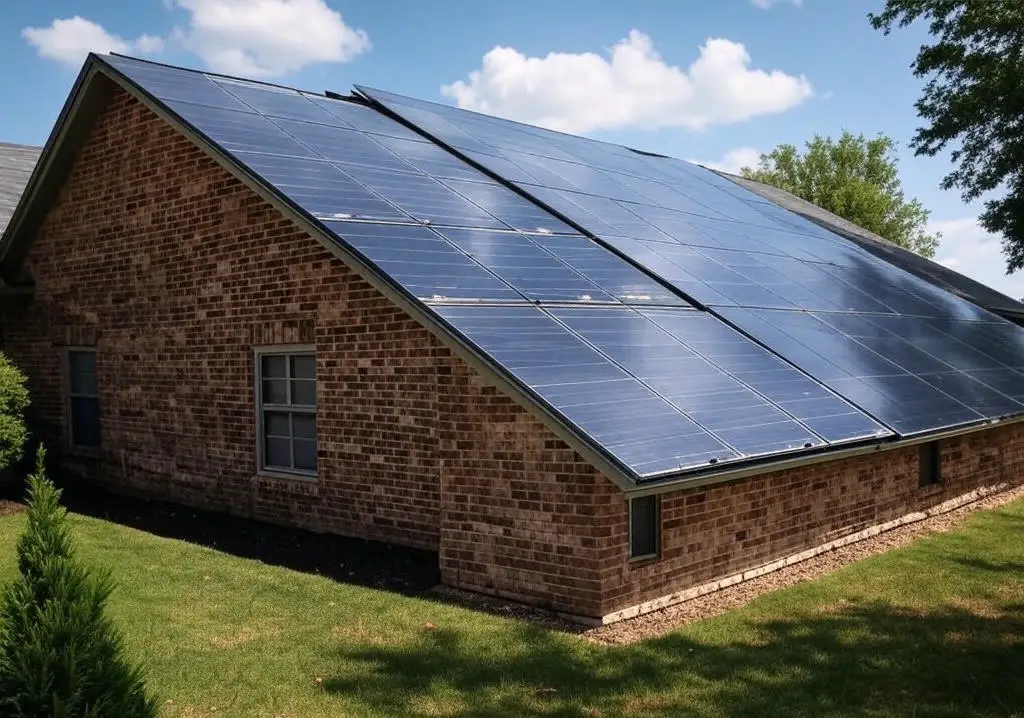
Net Metering (It's Complicated in Georgia, Bless Its Heart)
Ah, net metering in Georgia. It's been a journey. Historically, Georgia's utilities haven't been known for their overwhelming generosity when it comes to buying back your excess solar power. While many states have robust net metering programs where you get credited at the retail rate for electricity you send back to the grid, Georgia has had a more, let's say, nuanced approach.
For Georgia Power customers, there's been a limited "monthly netting" program for up to 5,000 customers. For EMC (Electric Membership Corporation) customers, it really depends on your specific co-op, as rules vary wildly. Some offer better buyback rates than others. This is definitely something to discuss with your solar installer, as it directly impacts your long-term savings. It's not as straightforward as the federal credit, but it's still worth understanding for maximizing your investment.
So, What's the Final Tally After Incentives?
After factoring in that juicy 30% federal tax credit, that $20,000 to $28,000 system can often come down to a net cost of somewhere around $14,000 to $19,600 for a typical 6 kW to 10 kW system. And remember, that's just the average! Factors like competitive bidding from installers and current market conditions can always sweeten the deal.
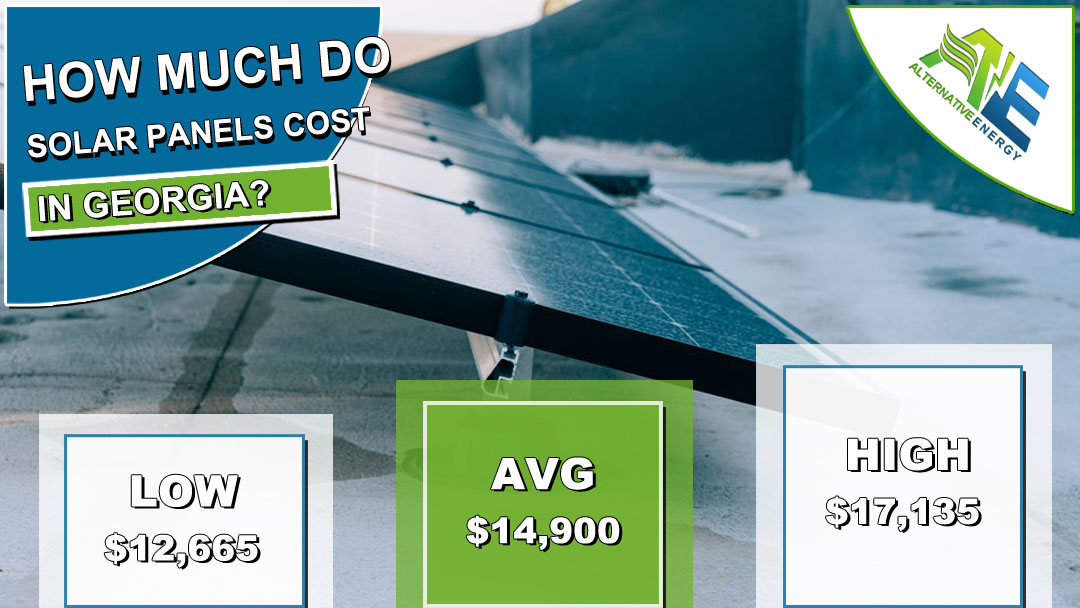
Is it a small chunk of change? Absolutely. But think of it as an investment that starts paying you back from day one. Instead of sending your hard-earned cash off to the utility company every month, you're essentially redirecting it into your own pocket. And let's be real, who doesn't love paying themselves?
The Long Game: Why It's Worth the Dough
Beyond the immediate savings, going solar in Georgia offers:
- Significantly lower (or even non-existent!) electricity bills: Imagine seeing a bill that's practically nothing. It's a real thrill, trust me.
- Increased home value: Homes with solar panels often sell faster and for more money. It's a tangible upgrade, like a fancy kitchen remodel, but it actually makes you money.
- Environmental bragging rights: You're reducing your carbon footprint, one sunny kilowatt at a time. Go you!
- Energy independence: Less reliance on fluctuating utility rates and power outages. When the lights go out for your neighbors, yours might just stay on (especially if you add a battery!).
In conclusion, while the initial price tag for solar panels in Georgia might make you clutch your pearls, the reality, especially with the generous federal tax credit, is far more approachable. It's an investment, not just an expense, that pays dividends for decades. So, maybe it's time to stop just sweating about those power bills and start shining bright with solar!