How Many Words Can You Make Out Of

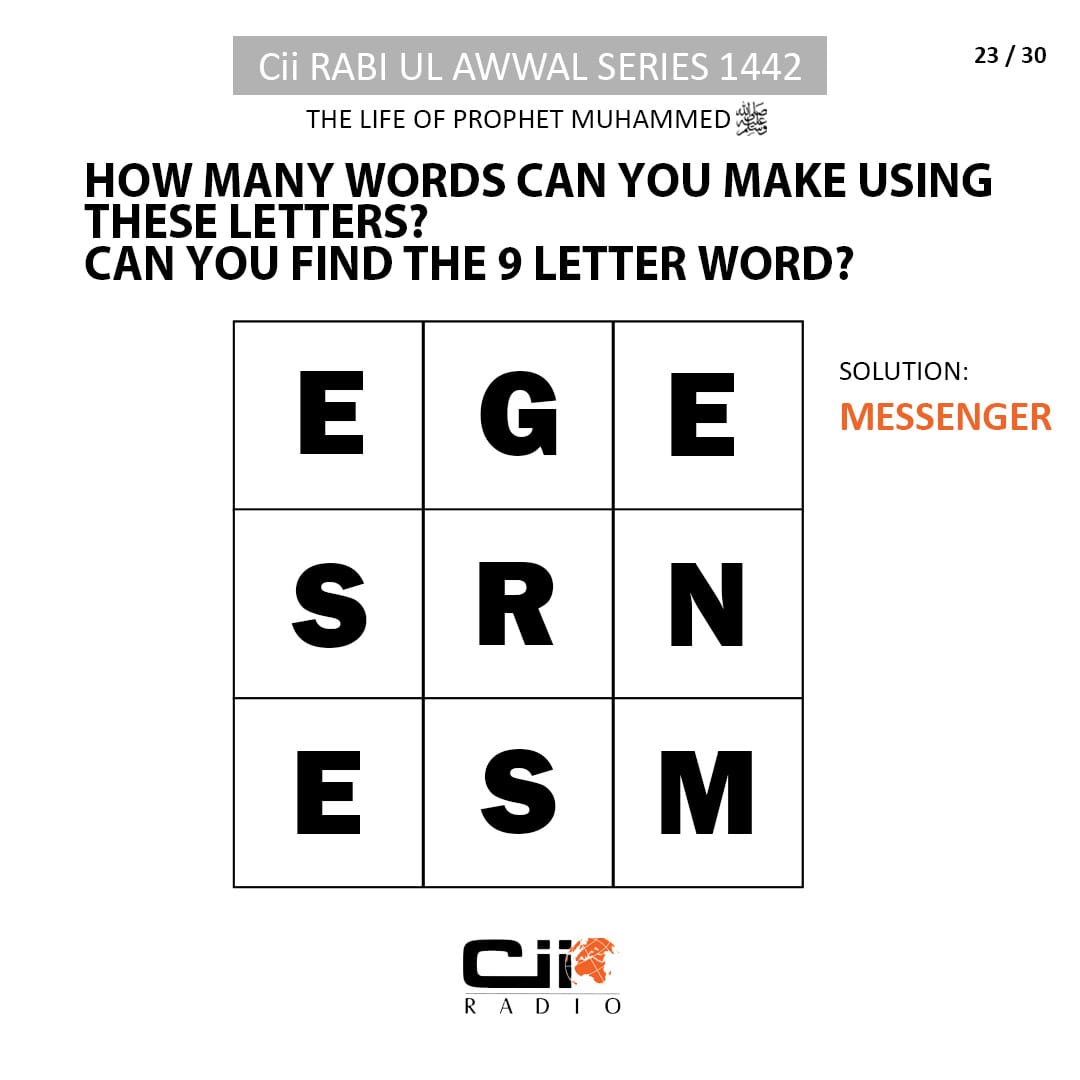
Remember those moments, perhaps during a road trip or a quiet evening, when someone pulls out a pen and paper and throws down a word, challenging everyone to find as many smaller words as possible within it? It's a simple game, yet it taps into something deeply satisfying within us – a love of language, a competitive spirit, and a surprising amount of creativity. But beyond just being a fun pastime, this simple word scramble offers a wealth of benefits, especially for those looking to flex their mental muscles in a playful way.
For artists, think of it as a brainstorming tool. Stuck on a title for your painting? Need inspiration for a poem's theme? The act of dissecting a single word, exploring its hidden components, can unlock unexpected connections and ignite fresh ideas. Imagine you're working on a piece about "serenity." By finding words like "rent," "tin," "rest," "enter," "sin," "sent," and even "yes" buried within, you can uncover new layers of meaning and symbolism to incorporate into your artwork. Perhaps the "rent" reminds you of the cost of peace, the "tin" a symbol of resilience, or the "sin" a contrast to the desired state.
Hobbyists of all kinds can benefit too. Crafters could use the words to name their creations, from "ear" and "art" found in "heart" for a handmade card, or “lend” from “splendid” for a handcrafted gift. Puzzle enthusiasts will find it's a fantastic warm-up for more complex brain teasers. And for those casually learning a new language, playing this game with words in that language can be an enjoyable way to expand vocabulary and improve spelling recognition. Think about using the word "bibliothek" (German for library). Suddenly you have "bio," "the," "bike," "lie," and "othek" (a made-up word, but still!) – all reinforcing your understanding of the language structure.
Must Read
The variations are endless! You can challenge yourself to find words of a certain length, like only three-letter words. You can impose a theme, such as only finding words related to nature within "earthquake." Or, you could make it competitive, awarding points for longer words or rarer finds. One particularly engaging version involves finding words related to the original word's definition. For example, if the starting word is "friendship," you might look for words like "end," "ship," "fiend," "rip," and then consider how each of these relate to the complexities of friendship itself.

Trying it at home is incredibly simple. All you need is a pen, paper, and a good dictionary (or a helpful online word finder!). Start with a word you find interesting or challenging. Set a timer for 5 or 10 minutes, and see how many words you can uncover. Don't be afraid to get creative – even slightly altered spellings or abbreviations can be allowed, depending on your personal rules. Most importantly, don't stress about finding every single word. The goal is to enjoy the process of discovery.
Ultimately, the appeal of this seemingly simple game lies in its ability to unlock our inner word detective. It's a chance to reconnect with the beauty and complexity of language, to challenge ourselves in a fun and low-pressure environment, and to experience the satisfying "aha!" moment of uncovering hidden connections. It's a reminder that even within something familiar, like a common word, there's always more to discover. And that's why it's so endlessly enjoyable.