
How Many Volts Are In A Triple A Battery

Ever found yourself fumbling in the dark for a flashlight, only to realize the tiny AAA batteries inside have given up the ghost? Or perhaps your trusty TV remote suddenly refuses to respond to your commands for a new binge-watching session. These small, unassuming cylinders are the unsung heroes of our everyday tech, quietly powering everything from digital thermometers to your wireless mouse.
But have you ever paused to wonder about the hidden power within these pint-sized energy packets? Specifically, how many volts are lurking inside a AAA battery? It's a question that might sound a bit technical, but trust us, understanding it is surprisingly simple and pretty darn useful for navigating your gadget-filled world.
The Nitty-Gritty: What's the Voltage?
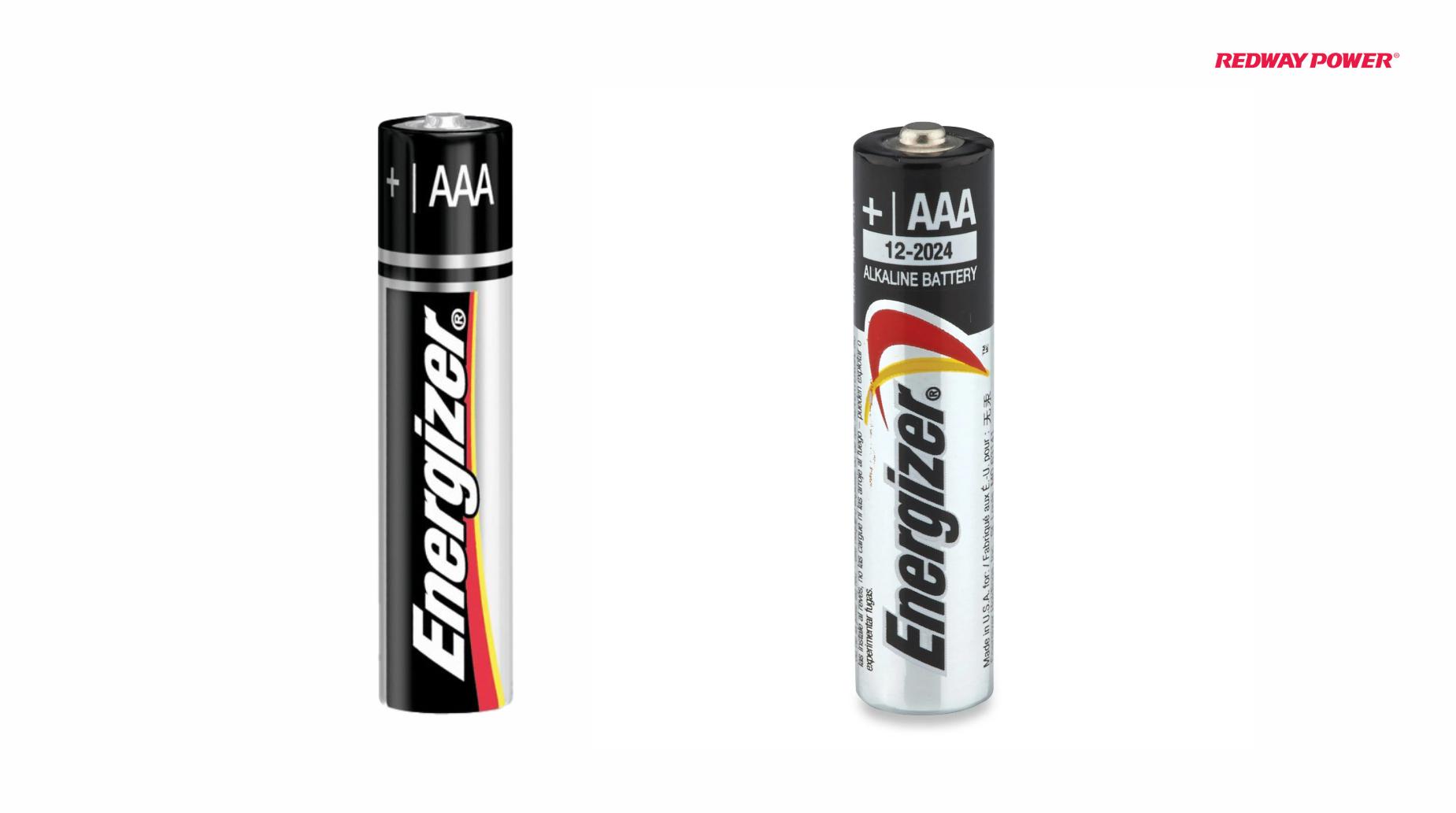
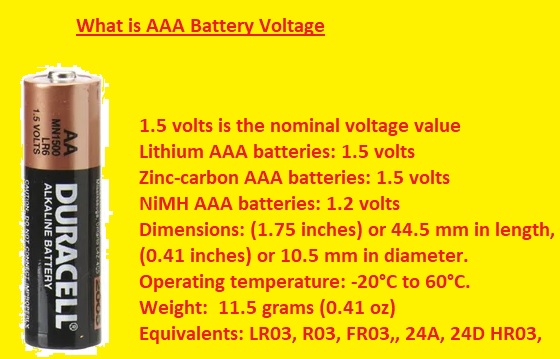
Let's get straight to the point. For the most common type of AAA battery you'll pick up off the shelf – the standard alkaline variety – you're looking at a nominal voltage of 1.5 volts. That's right, a neat one and a half volts of power, ready to bring your small devices to life. It's the standard bearer, the workhorse, the reliable friend that keeps your clock ticking and your small toys chirping.
Must Read
Think of voltage as the "pressure" behind the electricity. A 1.5V battery provides just the right amount of push for a huge array of low-drain gadgets we rely on daily.
Not All AAAs Are Created Equal: A Quick Look at Types
While 1.5V is the go-to number for alkaline AAAs, it's worth noting that the world of small batteries is a little more diverse than you might think. Just like different coffee beans offer different brews, different battery chemistries offer slightly different power profiles:

Alkaline: The Everyday Champion
These are the batteries you grab for your TV remote, your kids' smaller battery-operated toys, or that handy little LED flashlight. They start at a robust 1.5V and slowly decline as they're used. They're reliable, widely available, and generally a great value for devices that don't demand constant, high power.
NiMH (Nickel-Metal Hydride): The Eco-Friendly Power-Up
Ah, the rechargeable revolution! If you're using rechargeable AAA batteries, chances are they're NiMH. These are fantastic for the environment and your wallet in the long run. However, there's a slight twist: NiMH batteries typically have a nominal voltage of 1.2 volts. "Wait, 1.2V? Will my 1.5V device still work?" Absolutely! Most modern gadgets are designed to operate perfectly well with the slightly lower, but more consistent, voltage output of NiMH batteries. They deliver stable power for a longer duration, making them ideal for high-drain devices like wireless keyboards or gaming controllers.
Lithium: The Lightweight Long-Distance Runner
Less common in the AAA size but still available, lithium AAAs offer incredible longevity and perform exceptionally well in extreme temperatures. They're also super lightweight. Crucially, they maintain the standard 1.5V nominal voltage, but they hold that voltage for a much longer period than alkaline batteries. Think high-performance headlamps for adventurers or critical devices like smoke detectors where you want ultimate peace of mind.
Why Does This Voltage Stuff Even Matter?
Understanding the voltage isn't just a fun fact for your next trivia night; it has practical implications!
Device Compatibility: Most devices specify the required voltage (e.g., "requires 2 AAA batteries," which implies 2 x 1.5V = 3V total). Knowing the battery's voltage helps ensure you're using the right power source.
"Dead" Batteries: An alkaline battery often stops powering a device long before its voltage drops to zero. Many devices have a cutoff point; if the 1.5V battery dips below, say, 1.2V under load, the device considers it "dead." This is why a "dead" remote battery might still power a simple clock for a few more weeks! It's not entirely dead, just not strong enough for its primary job.
Optimal Performance: For devices like a high-powered camera flash, a battery that maintains a higher voltage for longer (like a lithium or a freshly charged NiMH) will give you better performance and more shots per battery cycle.
Quick Tip: Always avoid mixing different types of batteries (alkaline with rechargeable) or old batteries with new ones in the same device. This can lead to uneven discharge, reduced performance, and even potential leaks – nobody wants battery goo!
The Small But Mighty Impact
From helping you zap through channels to powering your tiny festive LED decorations, AAA batteries, with their humble 1.5 volts (or 1.2 volts for their rechargeable cousins), play an indispensable role in the smooth running of our modern lives. They remind us that even the smallest components can hold significant power and impact.
So next time you pop a fresh AAA into your gadget, take a moment to appreciate that little powerhouse. It's more than just a battery; it's a silent enabler of convenience, connection, and a touch of everyday magic.