How Many Smoke Detectors Are Required In A Home

Okay, let's kick things off with a little scenario, shall we? Picture this: It's Saturday morning, you’re still half-asleep, attempting to make what you think is a gourmet breakfast. You turn your back for one second to grab the coffee, and suddenly – BEEP! BEEP! BEEP! – the piercing shriek of the smoke detector fills your entire house. Your perfectly harmless (or so you thought) toast has committed a minor felony, and your smoke alarm is acting like the world is ending. You frantically fan it with a dish towel, muttering promises to buy a better toaster. Sound familiar?
That little guardian angel that occasionally screams at your burnt toast is a lifesaver, literally. But have you ever really stopped to think about how many of these things you actually need? I mean, beyond the one that just declared war on your breakfast? It's not as simple as "one per house," my friend. And let me tell you, it's a topic that’s way more important than figuring out the perfect avocado toast recipe.
The Bare Minimum: What the Code Says
So, let's dive into the nitty-gritty. When we talk about "required," we're usually talking about building codes. These aren't just suggestions; they're the rules, put in place for your safety. While specific codes can vary slightly from city to city or state to state, they mostly follow the lead of organizations like the National Fire Protection Association (NFPA).
Must Read
The general consensus, and the absolute minimum, goes like this:
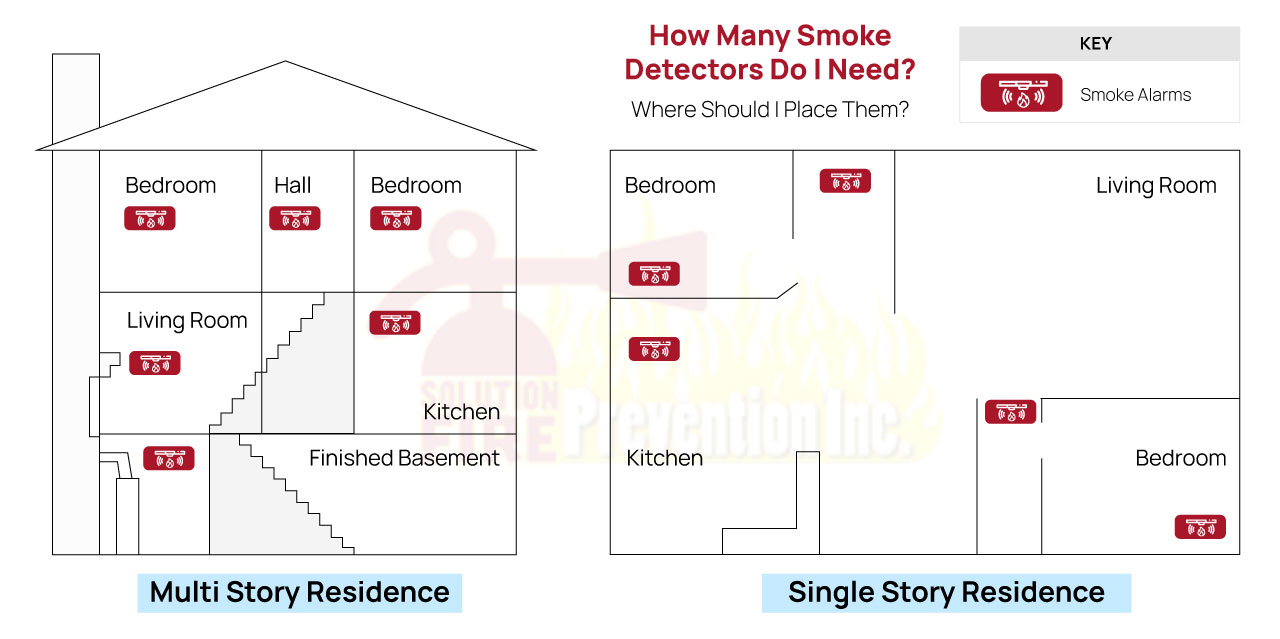
- Every level of your home: Yes, this includes the basement, even if it’s unfinished.
- Outside each sleeping area: Got a hallway connecting a couple of bedrooms? You need one there.
- Inside every bedroom: This is a big one. Each individual bedroom should have its own smoke detector.
So, if you have a two-story house with a basement and three bedrooms upstairs, you’re looking at a minimum of one in the basement, one on the main floor, one upstairs in the common area outside the bedrooms, and one inside each of those three bedrooms. That's at least six! Suddenly that burnt toast incident feels a bit more serious, doesn't it?
Beyond the Basics: Where More Is Better
Now, those are the requirements. But let's be real, sometimes the minimum isn't the optimum. Think of it like seatbelts in a car – they're required, but airbags offer an extra layer of protection, right? Same principle here.
Here are some other spots you might want to consider adding a smoke detector, just for good measure:
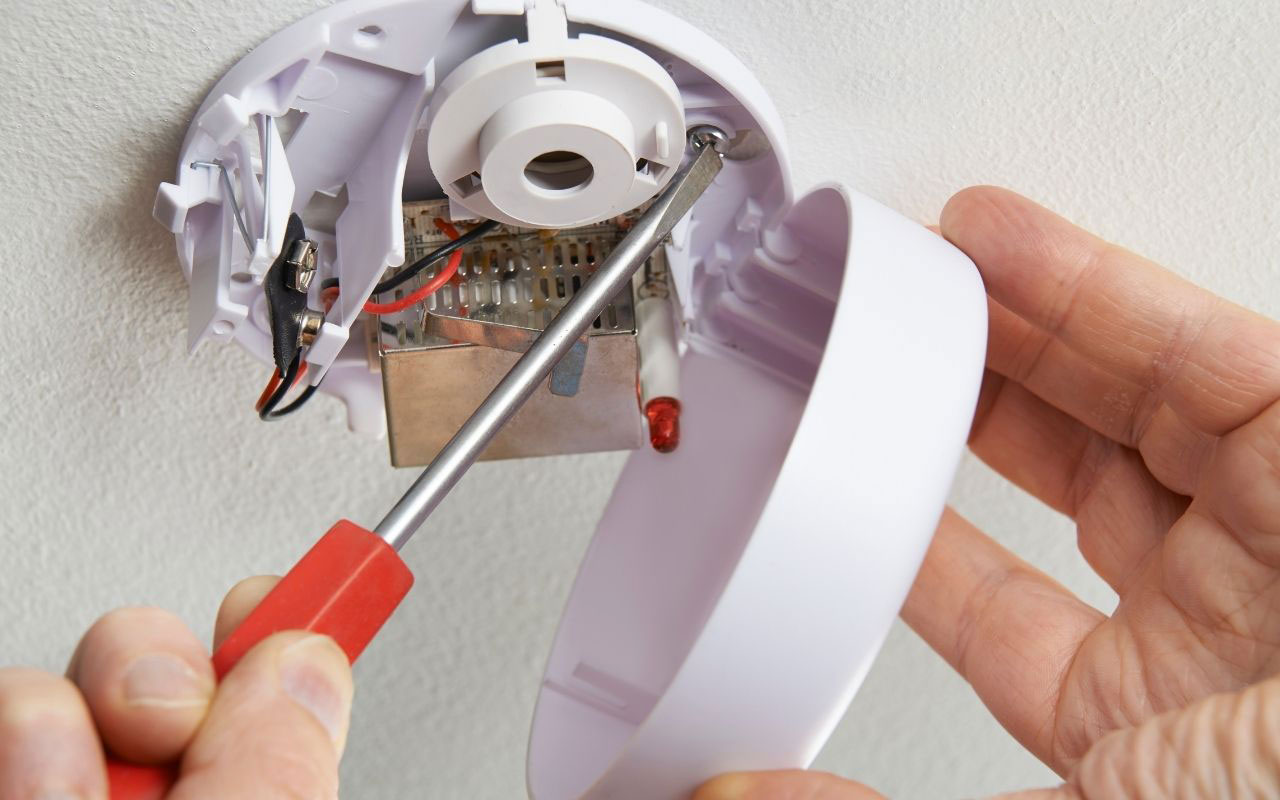
- Near the kitchen: I know, I know, nuisance alarms are annoying. But kitchen fires are incredibly common. Consider a photoelectric smoke detector here, as they're less prone to false alarms from cooking fumes than their ionization counterparts. Or even better, a combination CO/smoke detector.
- At the top of stairwells: Heat and smoke rise. A detector at the top of a stairwell can detect smoke from a floor below much faster. Stairwells are like chimneys for smoke, so this is a smart move.
- In living rooms or family rooms: These are often gathering places, and if a fire starts here, you want early detection.
- Attics or attached garages: While not typically required, if you store a lot of combustibles or have electrical wiring up there, it's worth considering.
And here's a crucial point: interconnected smoke detectors. This means if one alarm goes off, they all go off. Imagine sleeping soundly upstairs while a fire starts in the basement. If only the basement alarm sounds, you might not hear it until it's too late. With interconnected alarms, everyone in the house is alerted instantly, no matter where the fire starts. This is a game-changer for safety.
A Quick Note on Types & Maintenance
Not all smoke detectors are created equal, either. Briefly, you've got:
- Ionization detectors: Better at detecting fast-flaming fires.
- Photoelectric detectors: Better at detecting slow, smoldering fires (which produce more smoke). Many experts recommend having a mix of both, or choosing combo units.
- Carbon Monoxide (CO) detectors: These are separate but often come combined with smoke detectors. CO is a silent killer, so having these is non-negotiable.
Regardless of how many you have or what type, remember to test them monthly. Seriously, just press the button! Change batteries yearly (or if they're chirping at you like a dying bird). And here's the kicker: smoke detectors don't last forever. They have a lifespan of about 10 years. After that, the sensors become less reliable, so it's time to replace them entirely. Don't procrastinate on this one.
Your Home, Your Safety
Ultimately, while building codes give us a baseline, your home’s specific layout, your family’s needs, and your peace of mind should guide your decisions. Doing a quick walk-through of your home, mentally placing detectors, and making sure they're all up to date is one of the easiest and most impactful things you can do for fire safety.
So, next time your smoke detector screams at your culinary mishaps, give it a silent nod of thanks. Then maybe take a moment to count how many you have, where they are, and if you truly have enough. Because when it comes to fire safety, you can never be too prepared. Stay safe out there!