How Many Smoke Detectors Are Needed In A Home
Let's talk about something that might not sound like the most thrilling topic, but trust me, it’s one of the unsung heroes of home ownership: smoke detectors! Think of it as giving your home a personal superhero sidekick. It's not about being a safety guru; it's about gaining a little peace of mind and knowing your loved ones and your cozy abode are protected. This isn't just a dry, technical chore; it's about empowerment, smart living, and giving yourself one less thing to worry about when you tuck in at night. Plus, who doesn't love the feeling of being prepared?
Understanding how many smoke detectors you need, and where to put them, brings a ton of benefits for all sorts of people. For the beginner homeowner or someone moving into their first apartment, it’s about establishing a fundamental layer of safety right from the start. It’s a key step in "adulting" and protecting your investment. For families with kids, the benefits are even more profound. Knowing you have an early warning system in place means precious extra minutes for everyone to get out safely, turning potential tragedy into a manageable emergency. It's about sleeping soundly, knowing you've taken proactive steps to safeguard your most cherished possessions – your family. Even for the DIY enthusiast or home improver, delving into smoke detector placement can be a satisfying project, ensuring optimal coverage and perhaps even exploring smart-home integrated options that link up with your other devices.
So, how many are we talking about? The general rule of thumb, backed by safety experts, is pretty straightforward and actually makes a lot of sense. You'll want a smoke detector on every level of your home, including the basement and attic if they're habitable. But here’s where it gets even more protective: you should also have one outside every sleeping area and, ideally, inside every bedroom itself. This ensures that if a fire starts while you're sleeping, you'll be alerted as quickly as possible, no matter which room you're in. This approach covers both fast-flaming fires (often detected by ionization alarms) and slow, smoldering fires (better caught by photoelectric alarms), giving you comprehensive protection. Many newer units even combine both technologies! For added safety, consider getting interconnected alarms, meaning if one goes off, they all go off, amplifying the warning throughout your home.
Must Read
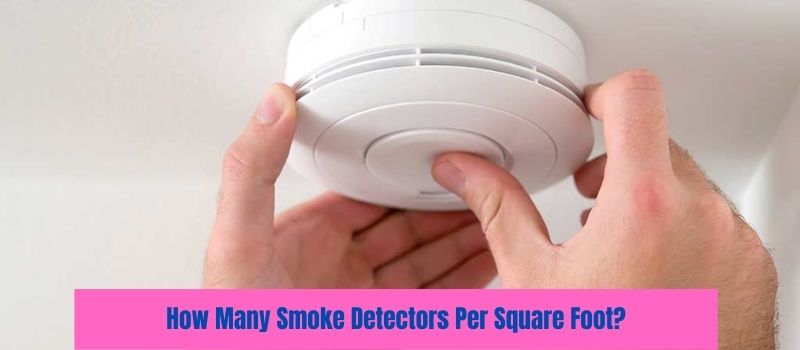
Ready to get started? It's easier than you think! First, check your local building codes – sometimes they have specific requirements you'll need to follow. Second, when you install them, remember the golden rule: keep them away from kitchens and bathrooms to avoid false alarms from cooking fumes or shower steam. Third, make it a habit to test your smoke detectors monthly by pressing the test button. It only takes a second! Fourth, replace the batteries at least once a year (a good reminder is to do it when you change your clocks for daylight saving time, unless you have 10-year sealed units). And fifth, and this is crucial, remember that smoke detectors don't last forever. Even hardwired ones need to be replaced entirely every 10 years. A quick label check will usually tell you the manufacturing date.
See? It's not intimidating at all! Taking these few simple steps to ensure you have the right number of smoke detectors in the right places is a powerful way to bolster your home's safety. It’s a small effort for a huge return in terms of peace of mind and protection. You're not just installing a gadget; you're investing in your family's safety and your own sense of calm. So go ahead, give your home that superhero upgrade – you’ll feel great knowing you’ve got it covered!