How Many Power Plants In The United States
Ever just stop and think, while you’re charging your phone or brewing your coffee, where all that juice actually comes from? I mean, we flip a switch, and poof, light! But behind that magic, there’s a whole lot of machinery humming away. And it got me wondering, just how many power plants are we talking about in the grand old United States?
It's one of those questions you probably never even considered, right? We just assume there are… enough. Maybe a few dozen? A hundred, tops, for a country this big? Well, grab your coffee, because the answer is a little more mind-boggling than you might think. And it’s not as simple as counting chimneys!
So, How Many Are We Talking About, Really?
Okay, let’s cut to the chase, but with a big, bold asterisk. If you look at the raw numbers for what the U.S. Energy Information Administration (EIA) calls utility-scale electric power plants—think the big players, not necessarily your neighbor’s rooftop solar—we’re hovering around the 7,700 mark. Yes, you read that right. Seven thousand, seven hundred. Blows your hair back a bit, doesn’t it? It’s not just one giant on/off switch for the whole country, thank goodness!
Must Read
Now, I said "asterisk," and here’s why: that number is a bit of a moving target. Plants come online, plants retire, technology evolves. It's like trying to count ants at a picnic – they're always moving!
But Wait, What Counts as a Power Plant?
This is where it gets really interesting, and why that 7,700 number can feel both huge and maybe even a little low depending on how you squint at it. When we say "power plant," what immediately comes to mind? Probably those giant cooling towers, right? Or maybe a huge dam?
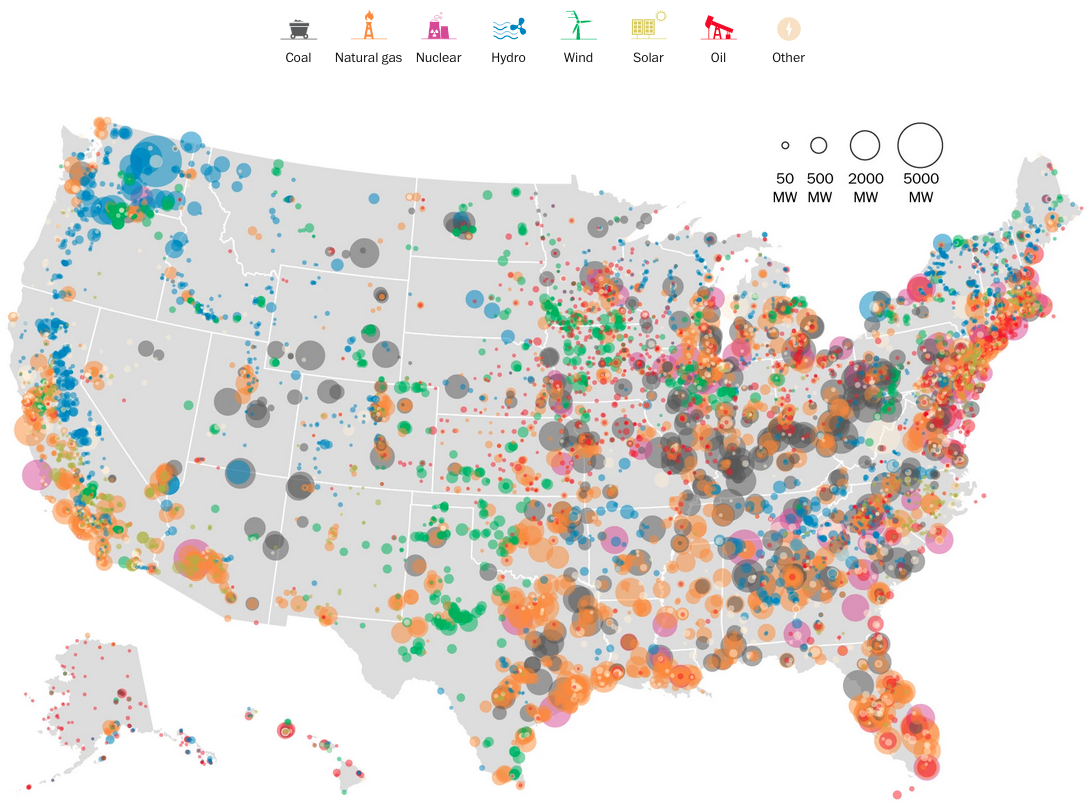
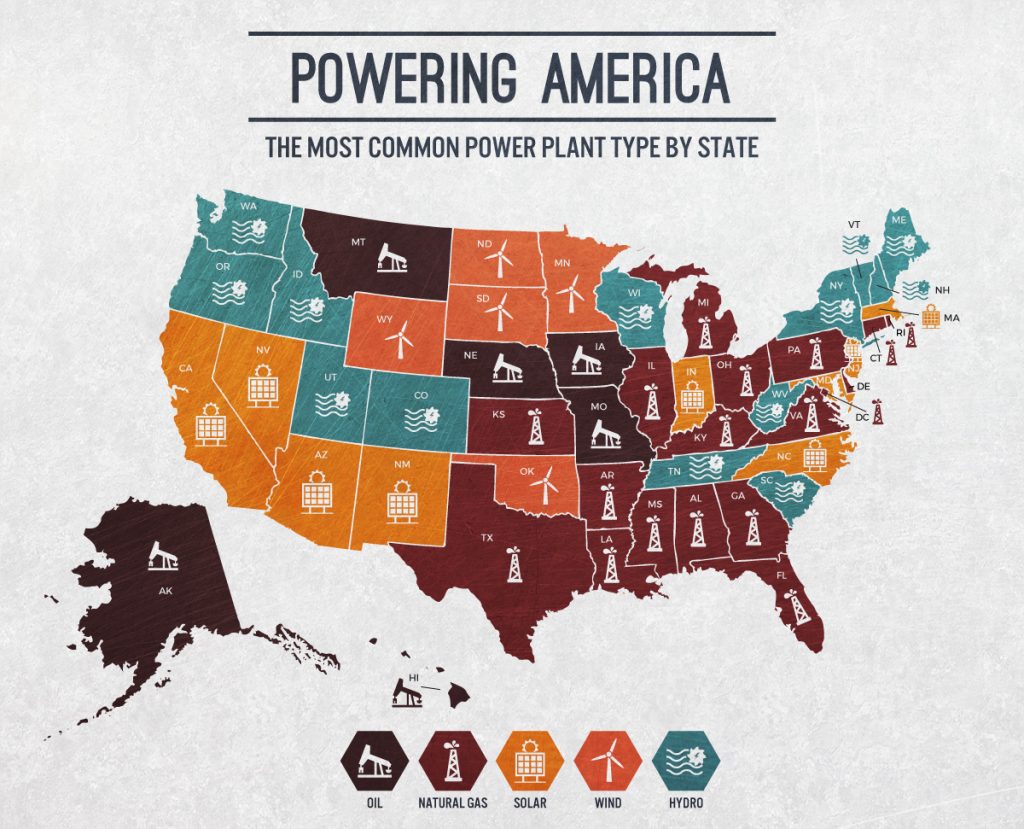
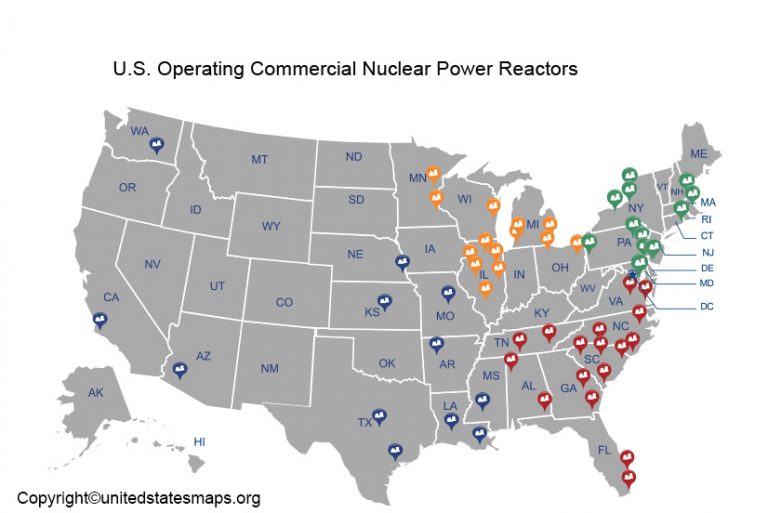
Those are definitely in the count: the big coal-fired behemoths (though they’re slowly, steadily declining, thank goodness!), the ever-present natural gas plants that are the workhorses of our grid, the silently powerful nuclear facilities, and the majestic hydroelectric dams that have been serving us for decades. These are the traditional heavy-hitters, often centralized and massive in scale.
But the world of electricity generation has really diversified, hasn’t it? The 7,700 figure also includes the rapidly expanding universe of renewable energy plants. We’re talking sprawling solar farms, where thousands of panels soak up the sun, and towering wind farms, with their elegant turbines dotting the landscape. Each of these can be considered an individual "plant" or a cluster of generating units. And let me tell you, they are popping up like mushrooms after a spring rain!

Then there are smaller, often unseen players: industrial facilities that generate their own power, sometimes selling excess back to the grid; smaller biomass plants; and even geothermal sites. It’s a whole ecosystem out there!
Why So Many, Though?
You might be thinking, "Why on earth do we need so many?" It’s a fair question! The United States is, well, huge. And our population is massive and spread out. So, here are a few friendly reasons:

- Geographic Spread: We need power where people are. Hauling electricity across the entire continent is possible, but it loses efficiency. Having generation closer to consumption points just makes sense.
- Diverse Needs: From scorching hot summers demanding air conditioning to frigid winters needing heat, our energy demands fluctuate wildly. Different types of plants excel at different things – some are great for constant, steady power (baseload), others can ramp up quickly to meet peak demand.
- Grid Reliability: Imagine if we just had one or two super-plants. If one went down, we’d be in serious trouble! Having thousands provides redundancy and resilience. It's like having many roads instead of just one highway to get everywhere.
- Fuel Diversity: We don't want all our eggs in one basket, right? Using a mix of natural gas, nuclear, hydro, coal, wind, and solar makes our energy supply more secure and less vulnerable to price swings or disruptions in a single fuel source.
- Historical Development: Our power grid wasn't built overnight. It's grown organically over a century, adding new plants and technologies as they became available and necessary.
It’s really an impressive logistical feat, isn’t it? Each one of those thousands of facilities is a node in a giant, intricate web, all working to keep our lights on, our devices charged, and our coffee hot. It's a complex, constantly evolving symphony of power generation.
So, the next time you plug something in, take a moment to appreciate the sheer scale and variety of the infrastructure working tirelessly behind the scenes. From the silent spin of a wind turbine to the controlled roar of a gas plant, there are literally thousands of places generating the energy we take for granted every single day. Pretty wild, huh?