
How Many Nuclear Reactors Does The United States Have
Ever woken up to a perfectly brewed cup of coffee, checked your fully charged phone, or just enjoyed the consistent hum of your fridge keeping everything cool? It's easy to take electricity for granted, isn't it? It’s just… there. But have you ever paused to wonder about the silent, powerful giants working behind the scenes to make all that happen?
Specifically, have you ever thought about how many nuclear reactors are quietly humming along in the United States, keeping our lights on, our Wi-Fi buzzing, and our homes cozy?
The Big Reveal: A Number That Might Surprise You!
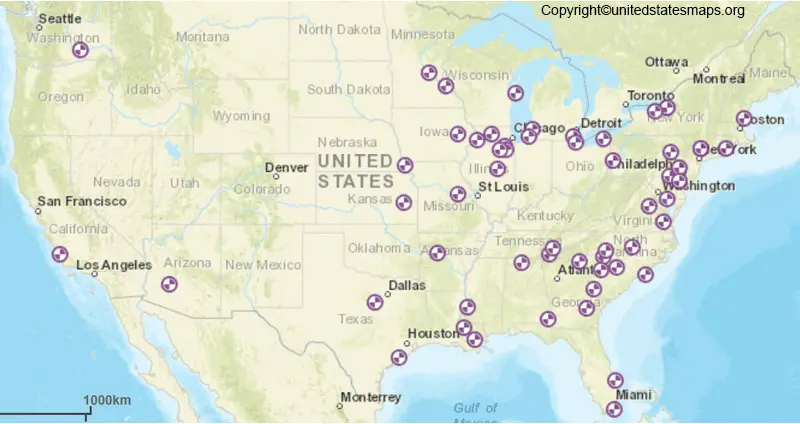
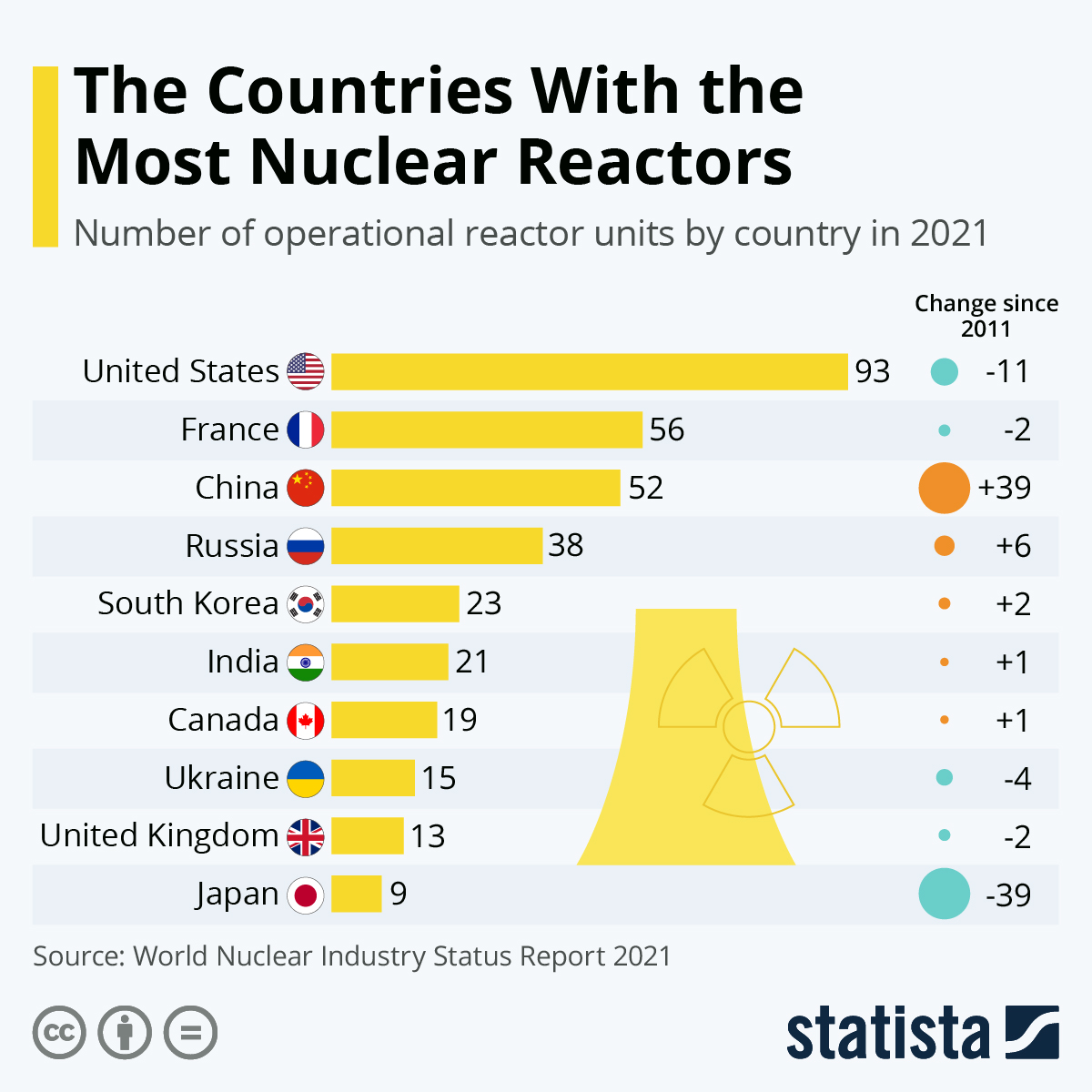
So, drumroll please! The United States is currently home to
Must Read
Imagine 93 giant, incredibly sophisticated kettles, constantly boiling water to create steam, which then spins massive turbines to generate electricity. It’s a bit like having 93 silent superheroes, each with the power to light up entire cities, all working in concert.
Why Should We Even Care About These 93 Goliaths?
Okay, 93 reactors. Cool fact for a trivia night, maybe. But why should you, the everyday person enjoying their Netflix binge or powering through emails, actually care about this number? Well, grab another sip of that coffee, because it’s more important (and kind of fascinating!) than you might think.
1. They're the Dependable Friends of the Power Grid
Think of your most reliable friend. The one who always shows up, rain or shine, never flakes, and brings exactly what's needed. That's nuclear power for our electricity grid. Unlike solar panels that need sunshine, or wind turbines that need a breeze, nuclear reactors are always on, always producing power.
This
2. They’re Super Clean (No Smoky Chimneys Here!)
When you picture a power plant, you might envision big smokestacks puffing out, well, smoke. But nuclear power plants are different. They don't burn fossil fuels, so they
It's like choosing to bike to work instead of drive, but on a massive, grid-stabilizing scale. These 93 reactors are helping us breathe cleaner air and contributing significantly to the fight against climate change. They're quiet heroes for environmental sustainability.
3. They’re Powerhouses for Our Communities
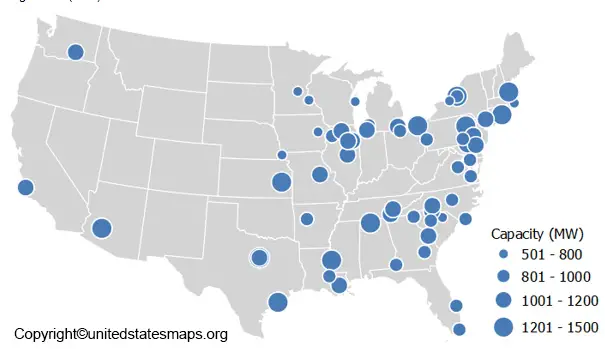
Those 93 reactors aren't just numbers; they're major contributors to local economies. They provide thousands of
Imagine a small town getting a massive economic boost from a single, well-run facility. Nuclear plants are often like anchor tenants in their communities, providing stability and prosperity for generations.
4. They’re Innovating for the Future
Nuclear power isn't just about the existing 93 reactors. There's a lot of exciting work happening in the background! We're talking about
So, while 93 is the current number, the future of nuclear energy is constantly evolving, promising even more efficient and sustainable ways to power our world. It's like continually upgrading your smartphone, always looking for the next best thing!
Are They Safe? A Quick Reassurance
Now, you might be thinking, "But what about safety?" That's a totally valid question, and it's one the industry takes incredibly seriously. Nuclear power plants are among the most
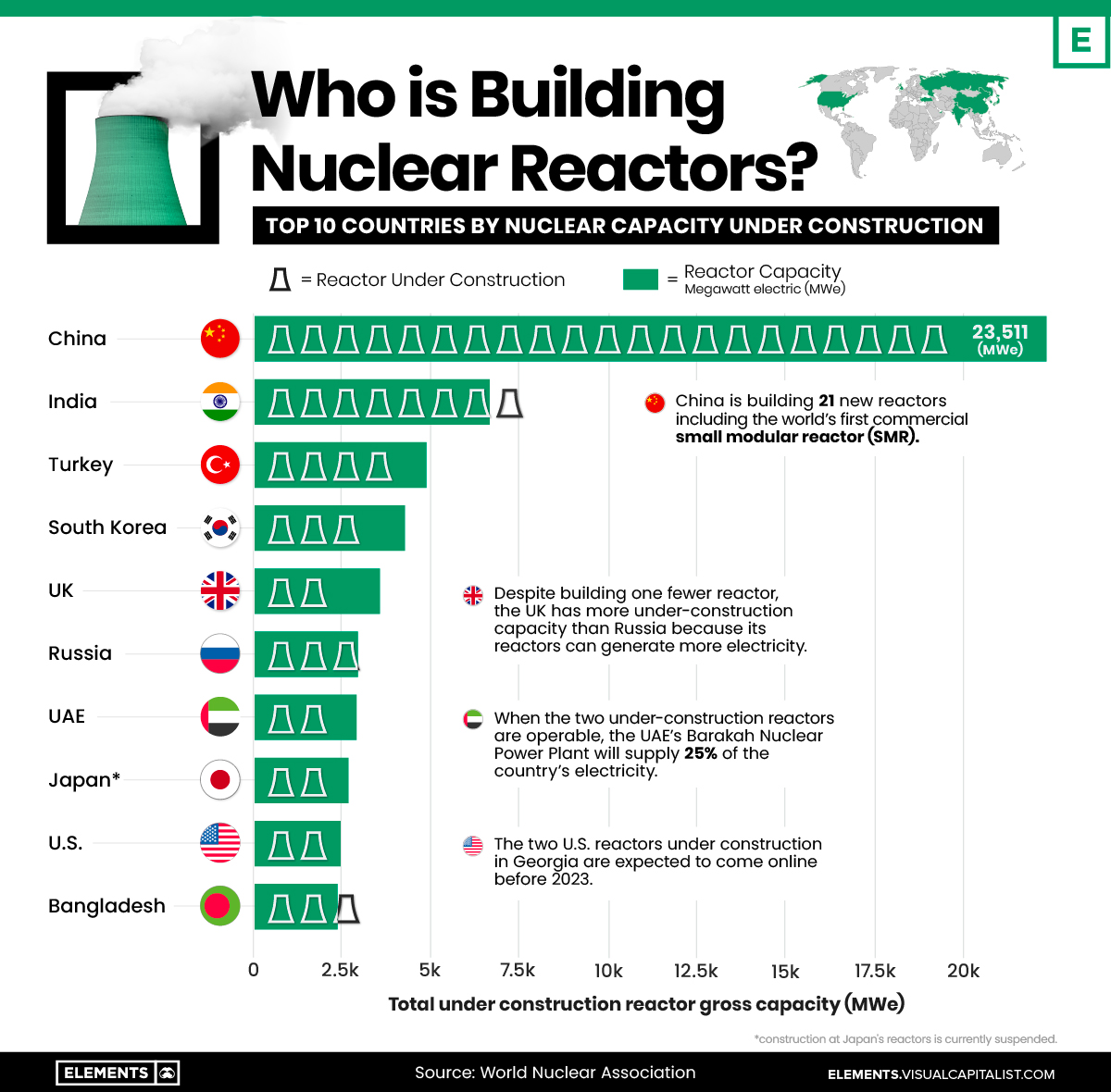
These aren't some mad scientist labs; they’re meticulously maintained facilities, probably more scrutinized than your grandma's secret cookie recipe. The goal is always to keep everything running smoothly and safely, protecting both the workers and the surrounding communities.
So, Next Time You Flip a Switch...
Next time you flip a light switch, charge your phone, or simply enjoy the convenience of modern life, take a moment to appreciate the silent, powerful work being done by those
Knowing a little bit about where your power comes from isn't just a fun fact; it's about understanding the complex, often unseen, infrastructure that supports our modern world. And who knows, maybe it'll even spark a little appreciation for those quiet, hardworking giants!