Ever stopped to ponder one of those truly massive, head-scratching questions of the modern world? Not "what's for dinner?" (though that's important), but something bigger, like: how many nuclear power plants are actually humming along across our planet? It’s a question that often conjures up images from sci-fi movies or perhaps a certain cartoon family’s workplace, making it feel like a mysterious, almost mythical number. But let's pull back the curtain and peek behind the reactor shields, shall we?
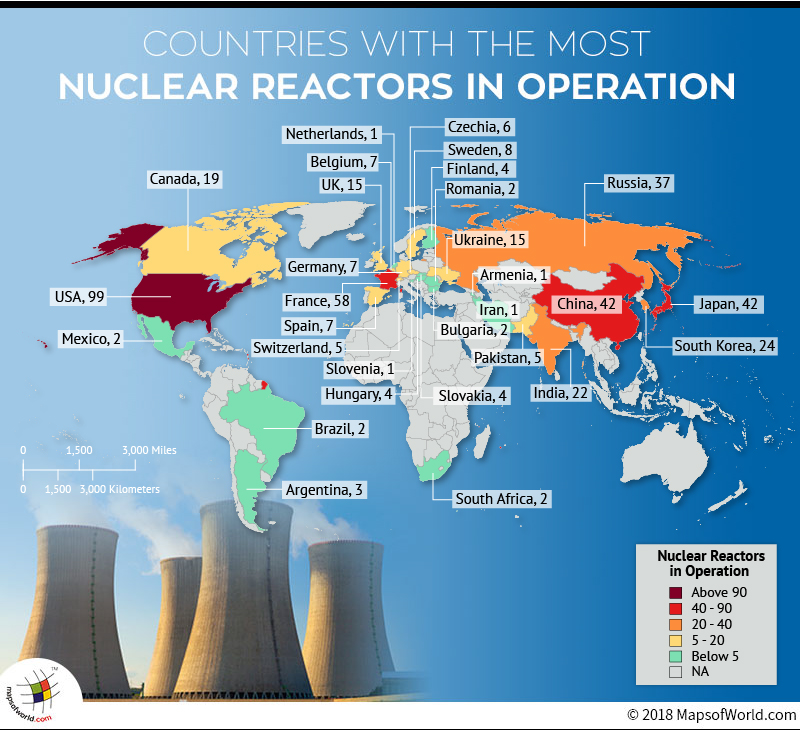
Prepare for a little surprise, because the answer is both more widespread and perhaps less numerous than you might guess. If you’re imagining thousands upon thousands dotting every continent like mushrooms after rain, you might want to adjust your mental map. As of late, we're looking at an approximate count of around 400-ish commercial nuclear power reactors operating in roughly 30 countries worldwide. Think of it less as a crowded city skyline and more like a collection of very special, very powerful lighthouses, each casting its glow of electricity across a nation.
Now, 400 might sound like a lot, or surprisingly little, depending on your perspective. To put it in context, imagine trying to count all the Starbucks on Earth – that number would easily dwarf our nuclear fleet! But unlike a coffee shop, each one of these facilities is a monumental feat of engineering, quietly generating immense amounts of reliable electricity, 24/7. They're like the unsung heroes of our electrical grids, tirelessly ensuring that when you flip a switch, the lights indeed come on.
So, where do these majestic electricity makers call home? They’re quite the global citizens! Some countries have embraced nuclear power with a particular gusto. Take France, for instance. If you ever visit, you might notice that a huge chunk of their electricity comes from nuclear energy – they’re practically powered by atomic baguettes! Or consider the United States, which operates the largest number of reactors, making it a true heavyweight in the nuclear world. Then there's China, rapidly expanding its nuclear fleet, and steady players like Russia, South Korea, and Canada, all contributing to the global energy tapestry.
It's not just about the numbers; it's about the incredible network of dedicated people who make these complex operations possible, turning invisible atoms into tangible light and warmth for millions.
Nuclear Power Plants Map World
Imagine the scale: each plant is a miniature, self-contained world of incredible precision. We’re not talking about glowing green rods constantly handled by clumsy cartoon characters. Modern nuclear power plants are marvels of safety and technology, continuously monitored by legions of highly trained engineers and scientists. They are designed with layers upon layers of safety features, making them some of the most rigorously controlled industrial facilities on the planet.
More Than Just a Number: The Steady Hum of Progress
What's truly heartwarming about these "silent giants" isn't just their ability to provide electricity without emitting greenhouse gases during operation. It's the sheer dedication of the thousands of individuals who work at these facilities every single day. From the security guards at the gates to the control room operators overseeing every parameter, to the maintenance crews ensuring everything runs smoothly – it’s a global community united by a shared goal: keeping our world powered, safely and reliably.
How many nuclear power plants in europe?
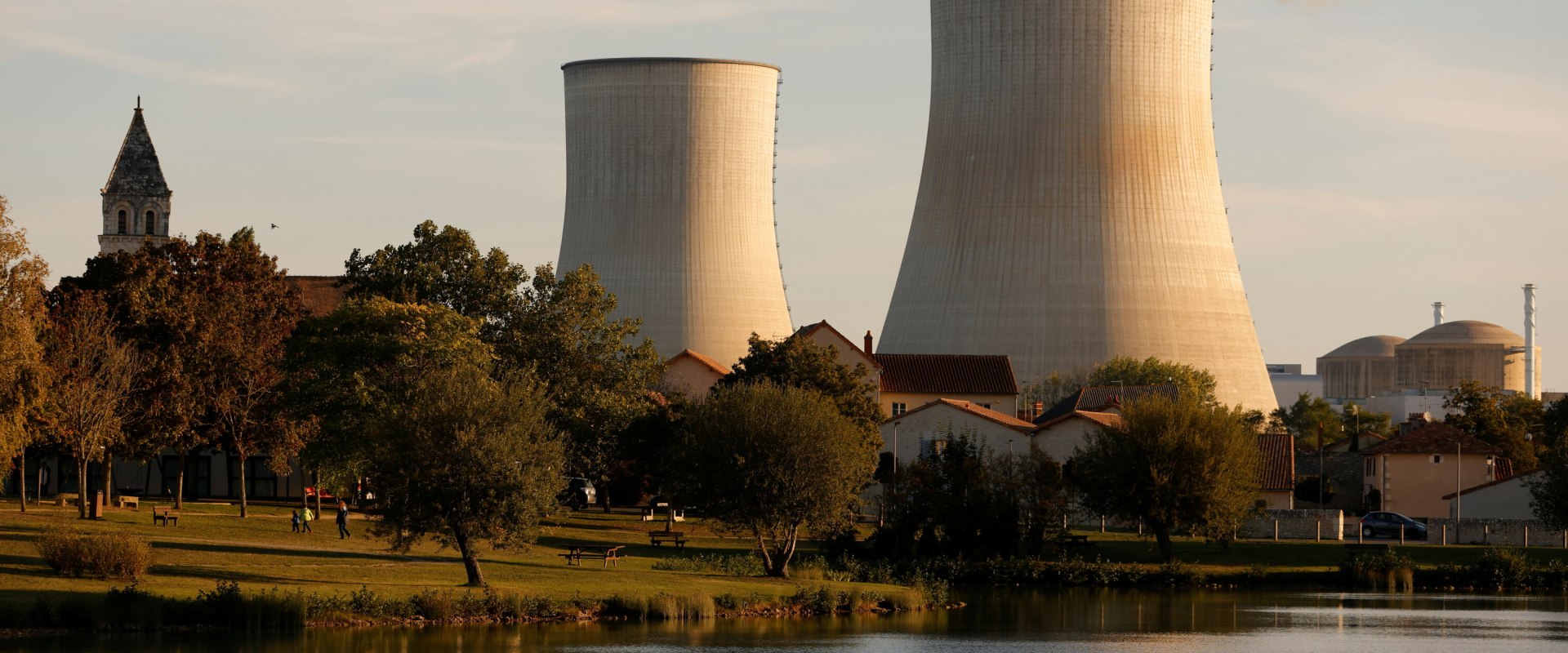
Perhaps you’ve driven past one of these power plants, noticing the distinctive cooling towers puffing out what looks like smoke, but is actually just water vapor – like a giant, very efficient teapot. There's a certain quiet dignity to them, isn’t there? They stand as monuments to human ingenuity, symbols of our ongoing quest for energy that can sustain our growing global population.
So, the next time you plug in your phone, boil a kettle, or simply enjoy the glow of your living room light, take a moment. Somewhere out there, one of those ~400 nuclear power plants, perhaps in a distant land or closer than you think, is doing its quiet, powerful work. It’s a testament to a global effort, powering our lives with a steady, reliable hum that often goes unnoticed, but is absolutely essential. It's not just about a count of facilities; it's about the steady, heartwarming pulse of energy that connects us all.