How Many Nuclear Plants In The World
Ever paused to wonder about the colossal powerhouses quietly churning out electricity across our planet? We often hear about solar farms stretching for miles or wind turbines dotting the horizon, but what about the less visible, often misunderstood giants: nuclear power plants? It's actually a pretty fun and relevant rabbit hole to tumble down, exploring just how many of these incredible facilities are working worldwide to keep our lights on and our devices charged.
So, what exactly are we talking about here? At its core, a nuclear power plant is an ingenious way to boil water. Seriously! It uses the heat generated from splitting atoms (a process called nuclear fission) to create steam, which then spins massive turbines, generating vast amounts of electricity. The purpose is simple: produce reliable, large-scale power. The benefits are significant: nuclear power generates zero greenhouse gas emissions during operation, making it a crucial tool in the fight against climate change. Unlike solar and wind, it provides constant, 24/7 power, independent of weather conditions, offering a stable "baseload" supply that's essential for modern grids.
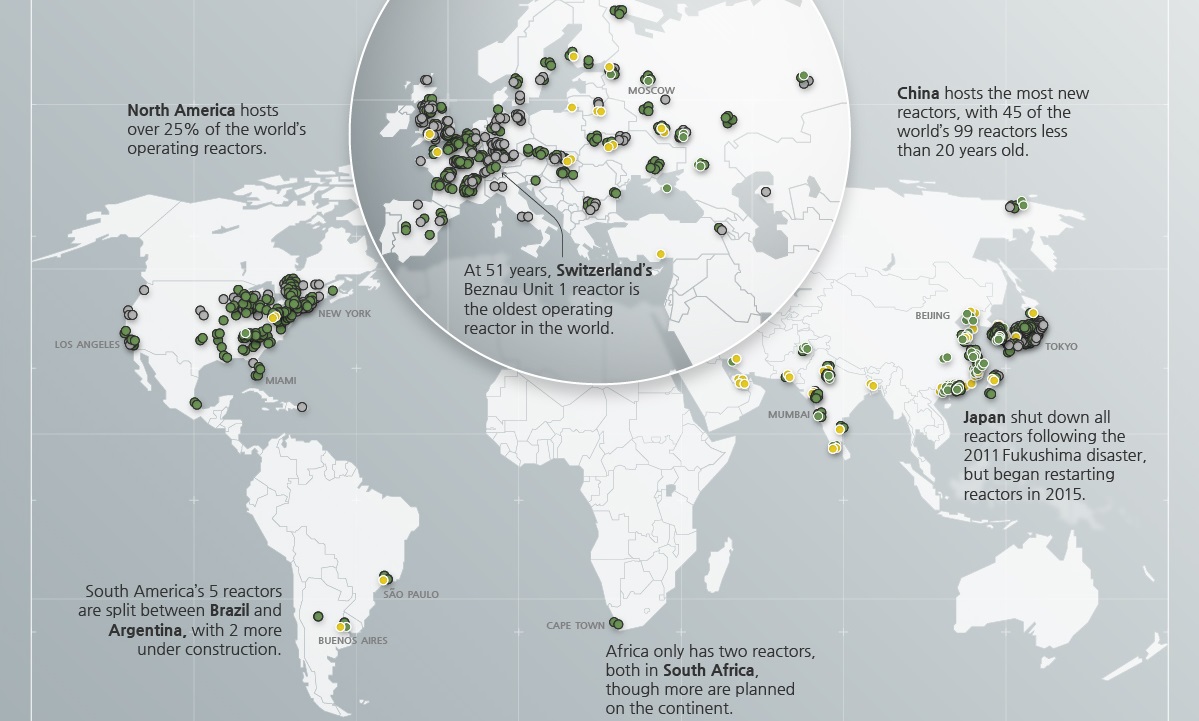
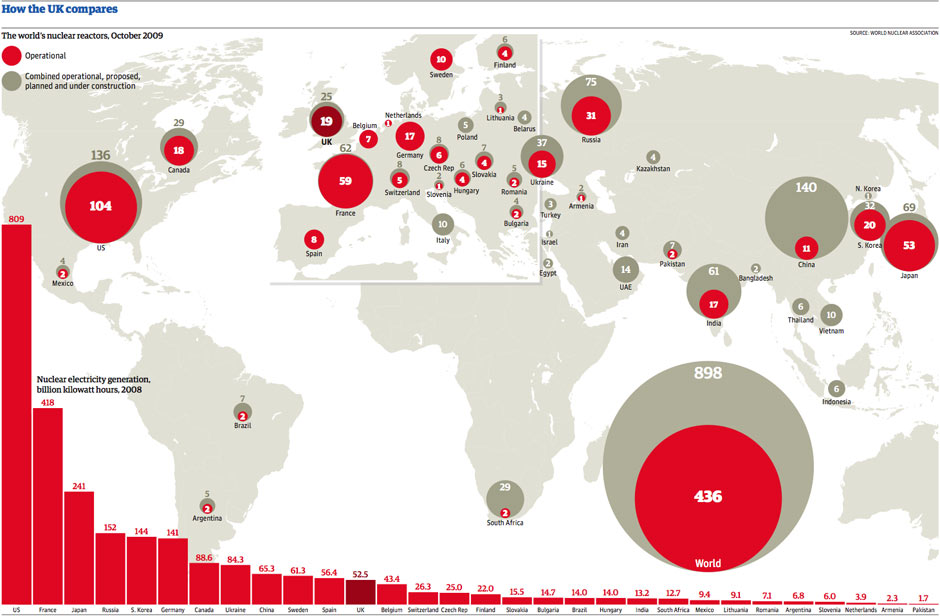
When we talk about "how many," we're really peeking into the global energy landscape. As of late 2023, there are approximately 440 operable nuclear power reactors across more than 30 countries worldwide, with around 50 more currently under construction. Countries like the United States, France, China, and Russia are major players, each having dozens of reactors contributing significantly to their national energy mixes. France, for example, famously generates about 70% of its electricity from nuclear power, showcasing its potential for energy independence and decarbonization. Knowing these numbers isn't just trivia; it's a tangible way to understand global energy strategies and geopolitical dynamics.
Must Read
This knowledge isn't just for scientists or policy makers. For students of geography, environmental science, or even economics, understanding the global distribution and contribution of nuclear power provides a vital context for discussions on climate change, resource management, and international cooperation. In daily life, it empowers you to engage more deeply with news about energy policy, grid stability, and environmental sustainability. When you hear about energy transitions or debates over clean power, knowing the role nuclear plays helps you form a more informed opinion and appreciate the complex choices facing nations as they balance energy needs with environmental goals.
Feeling a spark of curiosity? It's incredibly easy to dive deeper! A fantastic starting point is the website of the International Atomic Energy Agency (IAEA), which offers official data and reports on nuclear facilities globally. Similarly, the World Nuclear Association (WNA) provides comprehensive statistics, interactive maps, and educational resources. You can often find detailed breakdowns by country, showing which nations rely heavily on nuclear and which are planning new plants. Even a simple online search for "nuclear power plants map" will bring up interactive visuals that let you zoom in on different regions and see these marvels of engineering for yourself. It’s a truly fascinating journey into the heart of global power generation!