
How Many Kwh Does A Central Air Conditioner Use
Ah, summer. That glorious season of sunshine, long evenings, and the sweet, sweet hum of your central air conditioner working its magic. There's nothing quite like stepping into a perfectly cooled home after a sweltering day. But as much as we adore that crisp indoor chill, a little voice often whispers in the back of our minds: "How much is this costing me?"
You're not alone in wondering! It's a question as old as air conditioning itself (well, maybe not that old, but you get the drift). Understanding how much electricity your AC devours isn't just about dreading the utility bill; it's about being a smarter homeowner and enjoying your comfort without a side of buyer's remorse.
The Big Question: How Many kWh Does It Really Use?
Let's cut to the chase. There's no single, one-size-fits-all answer, because your central air conditioner isn't just one static appliance. It's more like a living, breathing entity influenced by a whole host of factors, from its own internal specs to your daily habits and even the weather outside.
Must Read
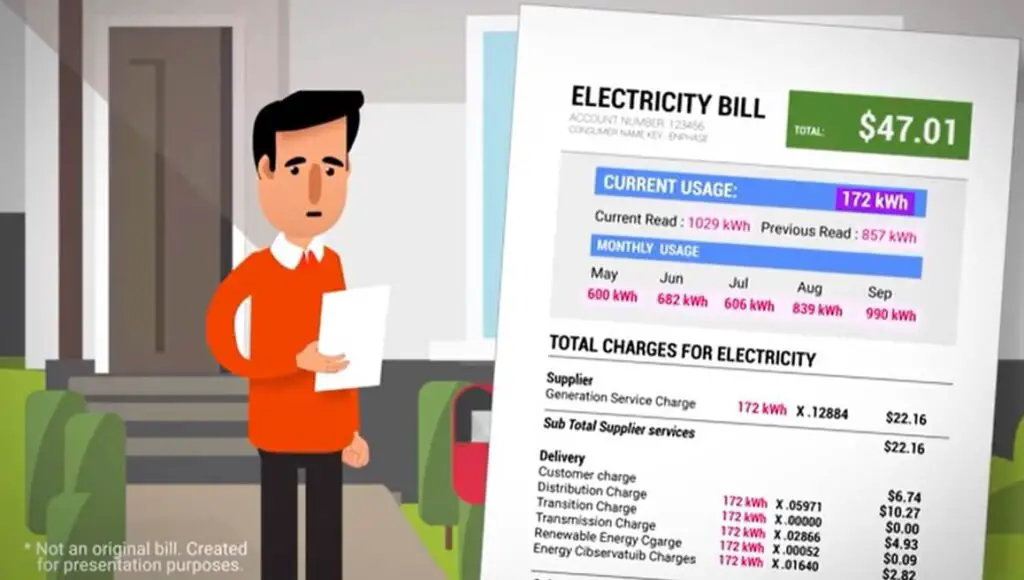
However, for a typical 3-ton central AC unit running for an average of 8-10 hours a day in a moderately hot climate, you could be looking at anywhere from 15 to 30 kilowatt-hours (kWh) per day. Over a full month, that could easily translate to 450-900 kWh just for cooling! During peak summer, many homes see their AC responsible for over half of their total electricity consumption.
To put that in perspective, a modern refrigerator might use 50-70 kWh per month, and a typical TV might use around 10-20 kWh. Your AC is often the undisputed heavyweight champion of your electricity bill.
What Plays a Role in Your AC's Energy Diet?
Think of your AC as a finely tuned athlete, and several things can affect its performance (and energy expenditure):
-
The SEER Rating: Your AC's MPG!
SEER stands for Seasonal Energy Efficiency Ratio. It's like the miles per gallon for your car – the higher the number, the more efficient your unit is. A unit with a SEER of 13 will use significantly more energy than a shiny new one with a SEER of 21 to achieve the same cooling effect. Modern standards require new ACs to have a minimum SEER of 13-14 (depending on region). -
Size Matters (A Lot!)
An AC unit that's too small will run constantly, struggling to cool your home, driving up kWh. An AC unit that's too big will cool too quickly, then cycle off, then on again, leading to inefficient operation and poor humidity control. The right size, measured in "tons," is crucial. -
Your Home's "Sweater" (Insulation)
Is your attic insulated like a five-star hotel, or a drafty old barn? Good insulation, sealed windows, and doors prevent all that lovely cool air from escaping and hot air from sneaking in, giving your AC a much-needed break.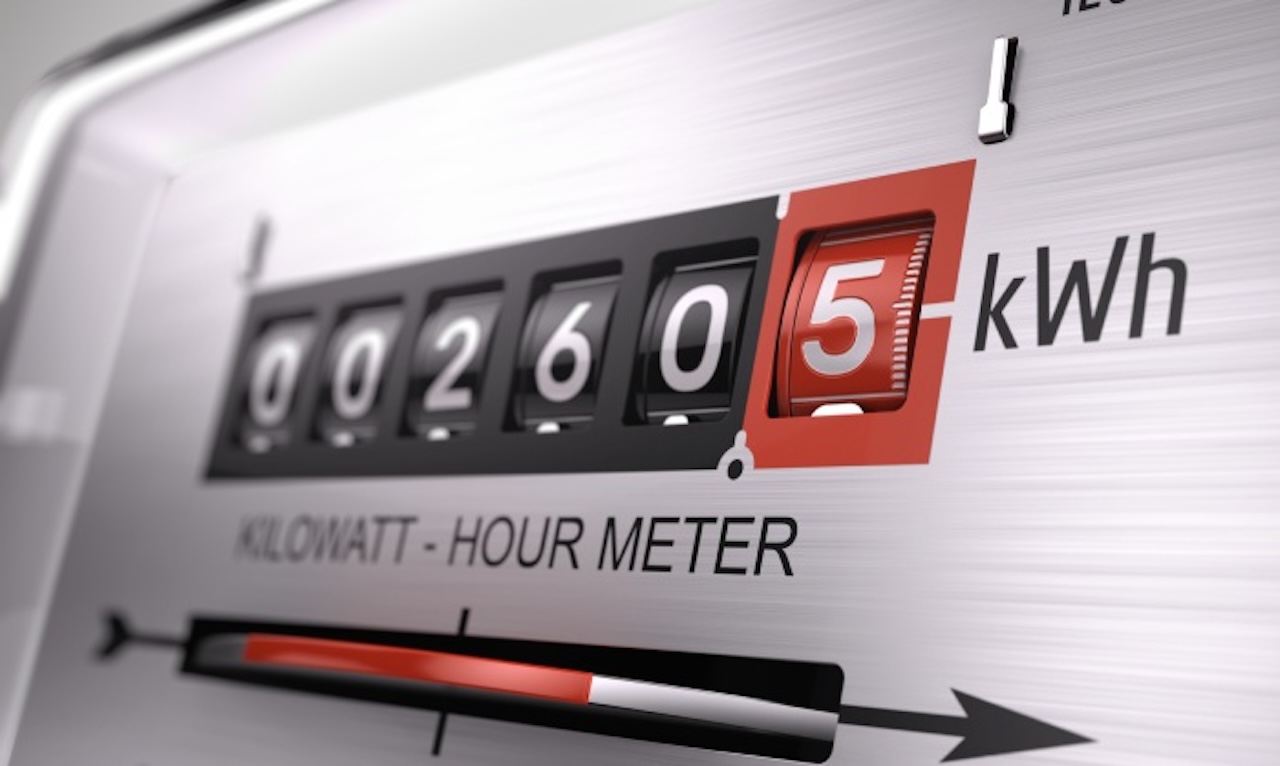
How Many KWh Does An Air Conditioner Use | Storables -
The Great Outdoors
Living in Phoenix? You'll naturally use more kWh than someone in Seattle during the summer. Heatwaves, humidity levels, and even direct sunlight hitting your home play a huge part. -
Your Personal Comfort Zone
Are you a "set it to 68°F and forget it" kind of person, or do you prefer a more moderate 75°F? Every degree lower can increase your energy consumption by 3-5%! It's all about finding your ideal balance.
Smart Moves for Cooler Savings (and Lower kWh!)
Ready to trim those kWh numbers without sacrificing your cool? Here are some simple, yet effective tips:
-
Thermostat Savvy: Invest in a smart thermostat. They learn your habits, can be controlled remotely, and automatically adjust temperatures when you're away. Aim for 78°F when you're home and even higher (say, 82°F-85°F) when you're out or asleep.
How Many KWh Does An Air Conditioner Use | Storables -
Filter Focus: Clean or replace your AC filter monthly during peak season. A clogged filter is like trying to breathe through a pillow – your AC works harder, uses more energy, and cools less effectively. It’s one of the easiest and cheapest fixes!
-
Seal the Leaks: Those tiny cracks around windows and doors? They're basically tiny gateways for heat. Use caulk and weatherstripping to seal them up. It's a small DIY that yields big returns.
-
Window Wisdom: Close blinds, curtains, and shades during the hottest parts of the day. South and west-facing windows are especially notorious for letting in heat. Think of it as putting sunglasses on your house!

How Many Kwh Does An Air Conditioner Use | Smart AC Solutions -
Fan Power: Use ceiling fans in conjunction with your AC. They don't lower the room temperature, but the breeze makes you feel cooler, allowing you to set your thermostat a few degrees higher without discomfort. It's a beautiful synergy!
-
Annual Check-up: Just like your car, your AC benefits from a professional tune-up once a year. They'll check refrigerant levels, clean coils, and ensure everything is running at peak efficiency. It prevents bigger, more expensive problems down the line.
A Little History Nugget!
Did you know that Willis Carrier invented the modern air conditioner in 1902, initially to control humidity in a printing plant, not primarily for comfort? It wasn't until the mid-20th century that AC became common in homes, dramatically changing where and how people lived, especially in the Sun Belt states!
The Cool Down Reflection
At the end of the day, understanding your central air conditioner's kWh usage isn't about shaming yourself into sweating through summer. It's about empowerment. It's about knowing where your energy goes, and making conscious choices that balance your comfort with your budget and the planet. A little knowledge, a few smart habits, and perhaps a well-placed ceiling fan can make all the difference, letting you truly relax and enjoy that beautiful, cool oasis you call home.