How Many Kwh Does A 1 Bedroom Apartment Use
Ever get that nagging feeling when the electricity bill arrives? You stare at the kilowatt-hour (kWh) number and wonder, "Is that normal? Am I using too much electricity?" Figuring out how much electricity a 1-bedroom apartment typically uses is like cracking a little code to unlock energy savings and peace of mind. It’s not just about saving money, though; understanding your energy consumption is also about being a more conscious consumer and shrinking your carbon footprint. Plus, who doesn't love a good opportunity to optimize and improve efficiency?
Why bother understanding kWh usage? For beginners, it's all about getting a baseline. Knowing the average helps you spot potential problems. Is your bill way higher than expected? Time to investigate that ancient refrigerator! For families crammed into a cozy one-bedroom (it happens!), understanding energy use is crucial for budgeting. You might discover that gaming consoles left on all day are costing a small fortune. And for the hobbyist – the data-driven individual who loves optimizing everything – tracking and understanding kWh usage is a fun project. You can experiment with energy-saving techniques, measure the impact, and become a true energy guru!
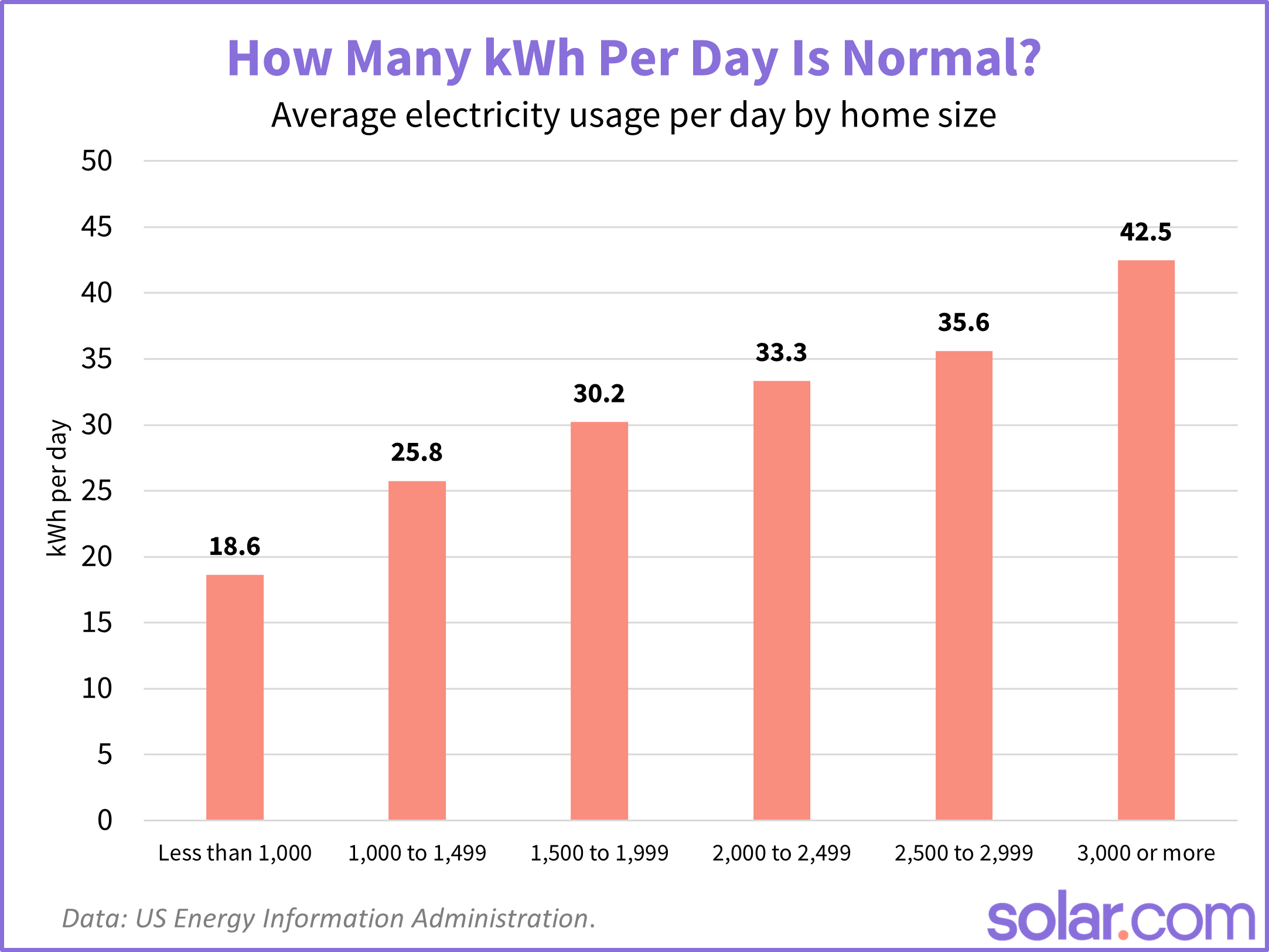
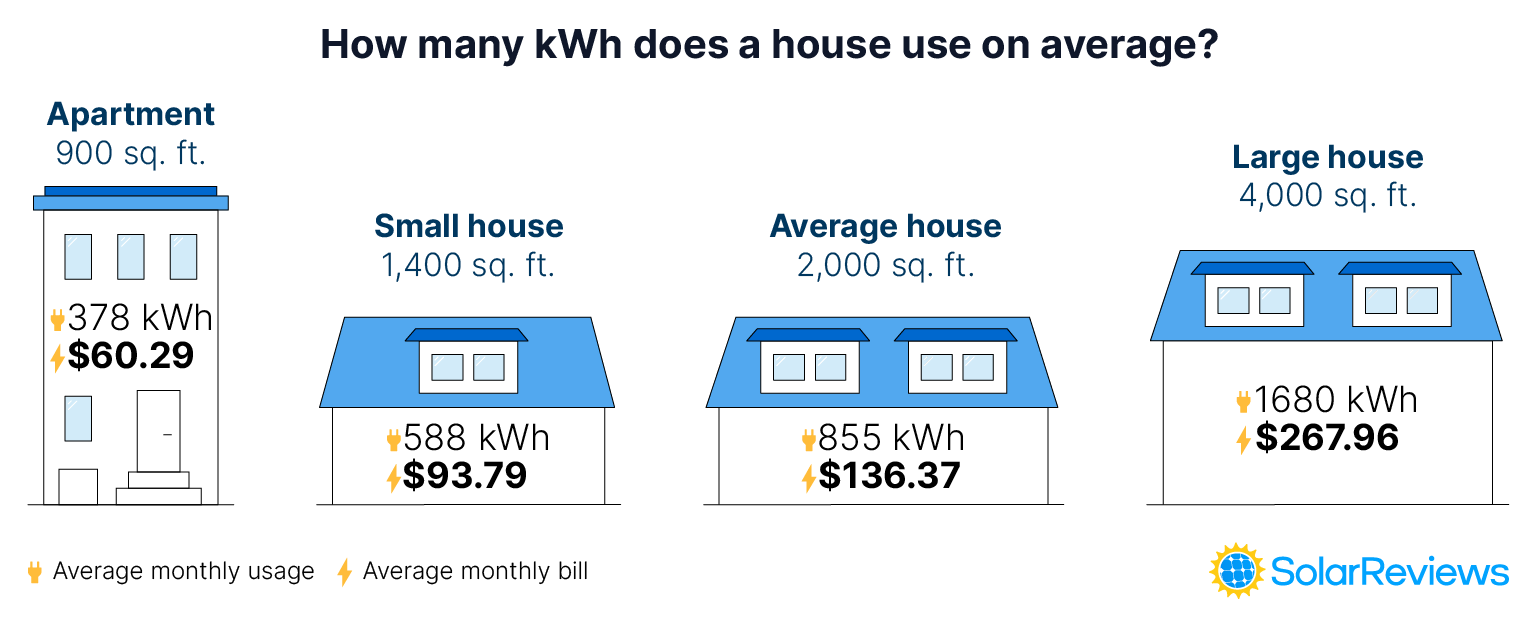
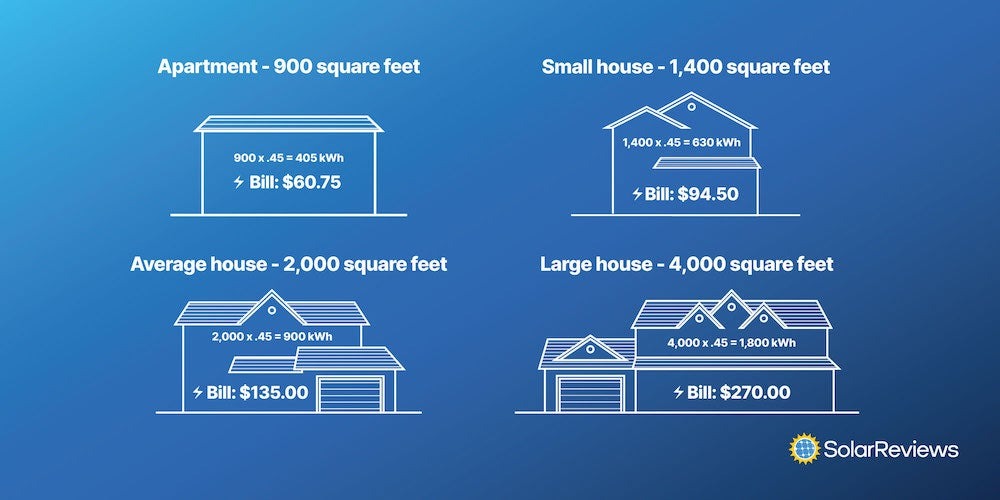
So, what's the magic number? A typical 1-bedroom apartment in the US generally uses between 500 kWh and 750 kWh per month. However, that's a broad range! Several factors influence your actual usage. Climate is a big one. Living in Arizona with its scorching summers and reliance on air conditioning will naturally lead to higher consumption than living in temperate San Francisco. The size of your apartment also matters. A larger one-bedroom will likely use more energy to heat and cool. And, of course, your appliances and usage habits play a huge role. A brand new, energy-efficient refrigerator will use far less power than a decades-old model. Someone who works from home and constantly uses their computer and lights will use more electricity than someone who's out of the apartment most of the day.
Must Read
Examples abound. Consider two identical 1-bedroom apartments in the same building. Apartment A has old appliances and a resident who keeps the thermostat cranked up. Apartment B has energy-star certified appliances and a resident who's mindful of their energy consumption. Apartment A's bill might be double that of Apartment B! Variations also come from electric heating versus gas heating. Electric heating is notoriously energy-intensive, significantly boosting kWh consumption during colder months.
Getting started is easy! First, look at your past electricity bills. Most utilities provide a monthly usage breakdown. This gives you a starting point. Next, identify your major energy consumers: air conditioner, heater, refrigerator, oven, and lighting. For each appliance, look for the energy guide label, which estimates annual energy consumption. Finally, adopt some simple energy-saving habits: switch to LED light bulbs, unplug electronics when not in use, wash clothes in cold water, and seal drafts around windows and doors. Even small changes can add up to significant savings.
Understanding your kWh usage isn’t a chore; it’s an empowering way to take control of your energy consumption and your budget. With a little bit of knowledge and a few simple adjustments, you can enjoy a more comfortable and sustainable lifestyle. And who knows, maybe you'll even impress your neighbors with your newfound energy expertise!