
How Many Gallons In One Barrel Of Oil
We often hear about the price of a barrel of oil on the news. It sounds like a big, important number, doesn't it?
You might even picture a sturdy wooden cask, perhaps rolling along a dock or stacked high in a warehouse.
It’s a very common image, but here’s a fun little secret: that image is a bit of a historical trick!
Must Read
The Big Reveal: It's a Number, Not a Cask!
When experts talk about a barrel of oil, they’re not usually talking about an actual physical barrel anymore.
Instead, they’re referring to a very specific, standardized volume of liquid.
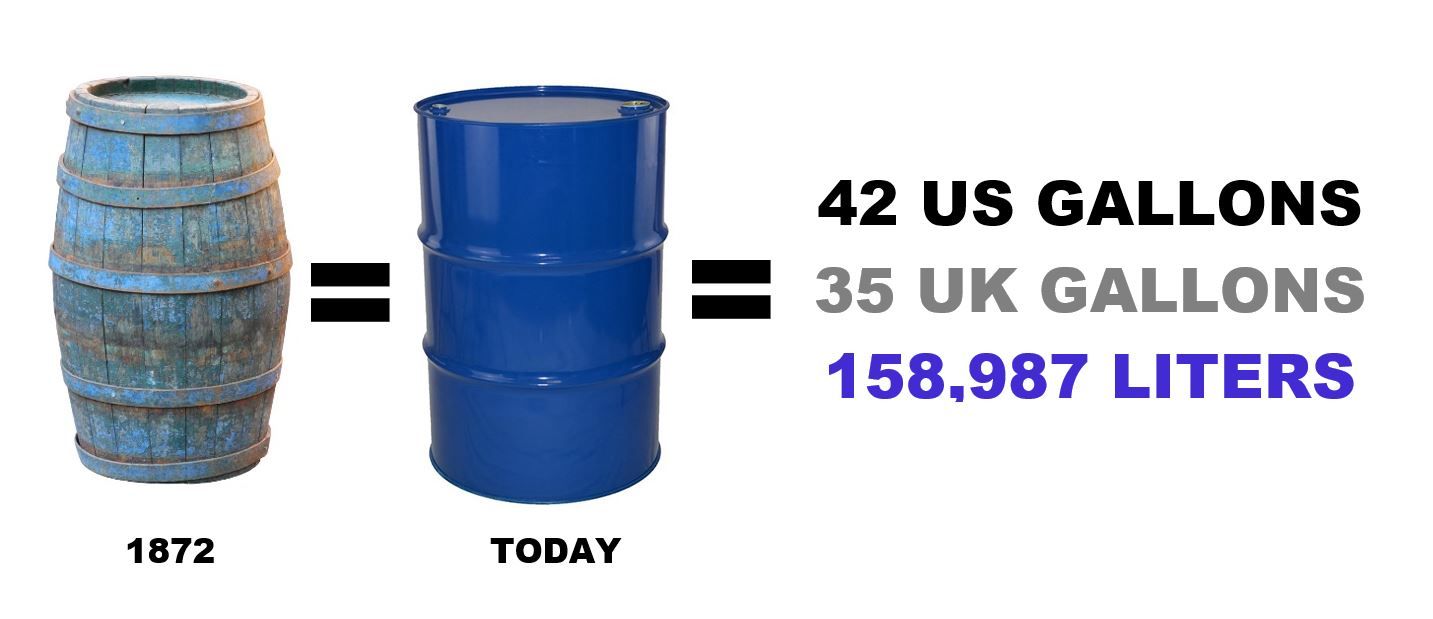
And that magical number is exactly 42 gallons.
A Splash of History: Why 42?
This number might seem wonderfully random, perhaps like an answer from a famous sci-fi book.
But its origins are delightfully down-to-earth, born from the rough-and-tumble early days of the oil industry.
Imagine the dusty oil fields of Pennsylvania in the mid-19th century, a time of wild excitement and even wilder speculation.
The Whaling Connection
Before oil became king, another liquid commodity dominated trade: whale oil.
Whale oil was transported in sturdy wooden barrels, often called "tierces," that held a consistent volume.
These specific whaling barrels typically contained 42 gallons of precious oil.
When the first oil wells started gushing in the 1850s, there was chaos.
Early oil producers used all sorts of containers: whiskey barrels, cider barrels, even pickle barrels!
These varied in size wildly, causing endless disputes and making fair trade impossible.
To bring order to this booming but unruly industry, the pioneers needed a standard.
They looked to the established measurement of the day for liquid commodities.
The 42-gallon whaling barrel was a familiar and robust option, already in widespread use for transport.
In 1866, this size was officially adopted by Pennsylvania oil producers.
It quickly became the official standard for trading crude oil, not just in the U.S. but eventually across the globe.
So, the modern "barrel" is less about wood and hoops, and more about honoring this clever historical solution.
What Does 42 Gallons Really Look Like?
Now that we know the number, let’s make it real. What exactly does 42 gallons feel like in everyday terms?
Imagine your average home bathtub. Many bathtubs hold around 40-50 gallons when full to the brim.
So, one theoretical barrel of oil could almost fill your entire bathtub!
Think about your car's fuel tank next. Most passenger car tanks hold between 12 and 18 gallons.
This means a single barrel of oil could nearly fill your car's tank three times over!
That's a lot of driving power packed into one historic measurement.
The Amazing Journey of 42 Gallons
Here’s where it gets truly fascinating and a little bit magical. That 42-gallon measure isn't just about fuel.
It's the starting point for an incredible transformation, becoming countless things we use and love every single day.
It touches almost every aspect of our modern lives in ways we rarely stop to consider.
From Underground to Your Driveway
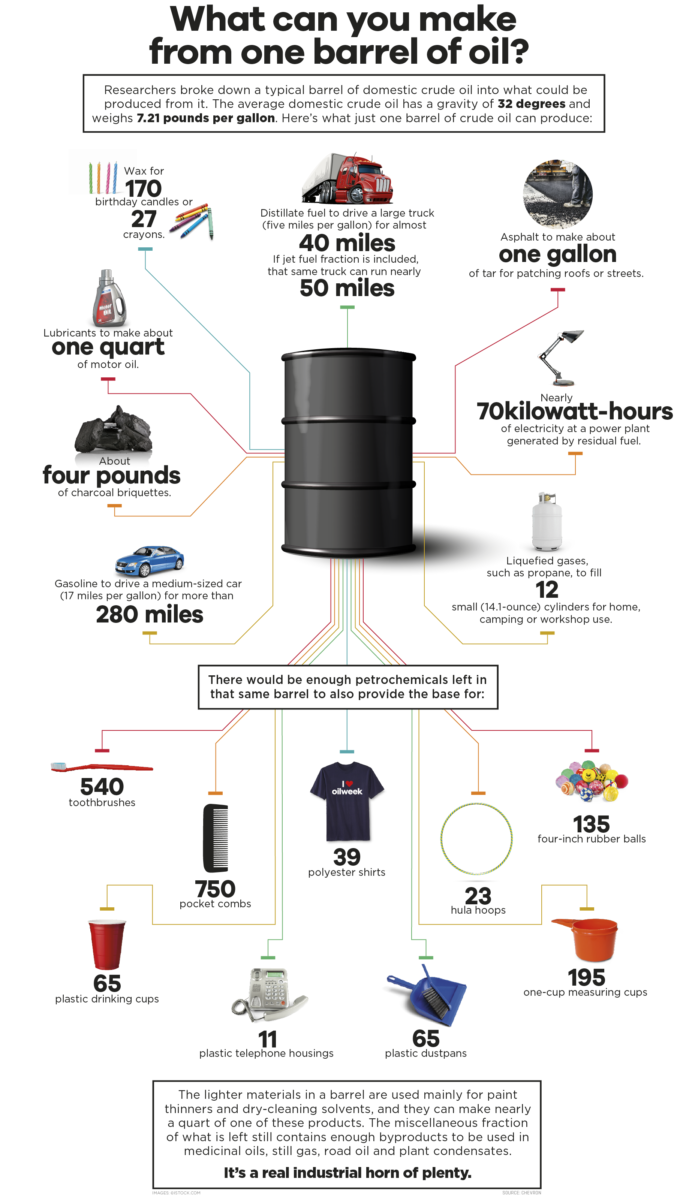
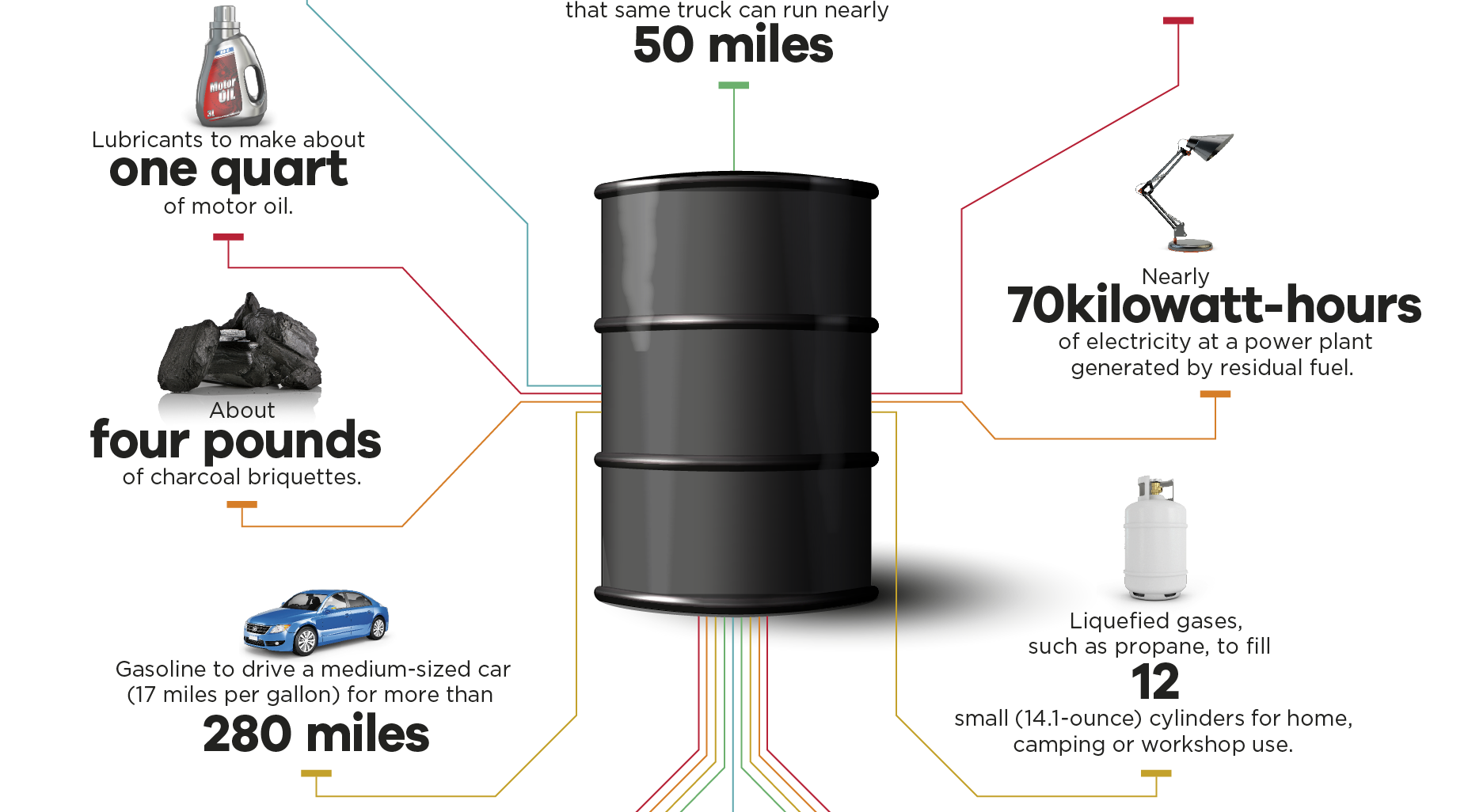
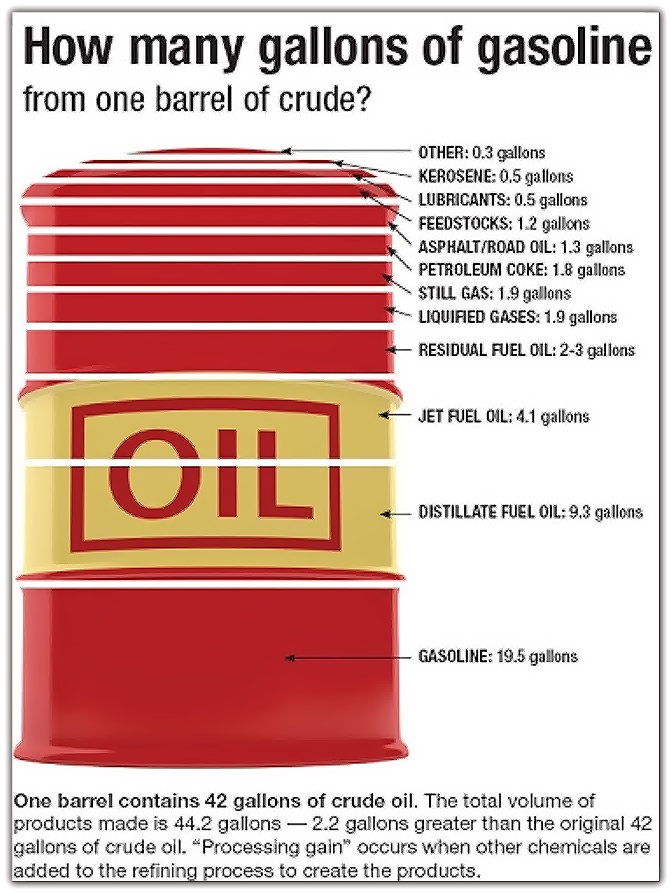
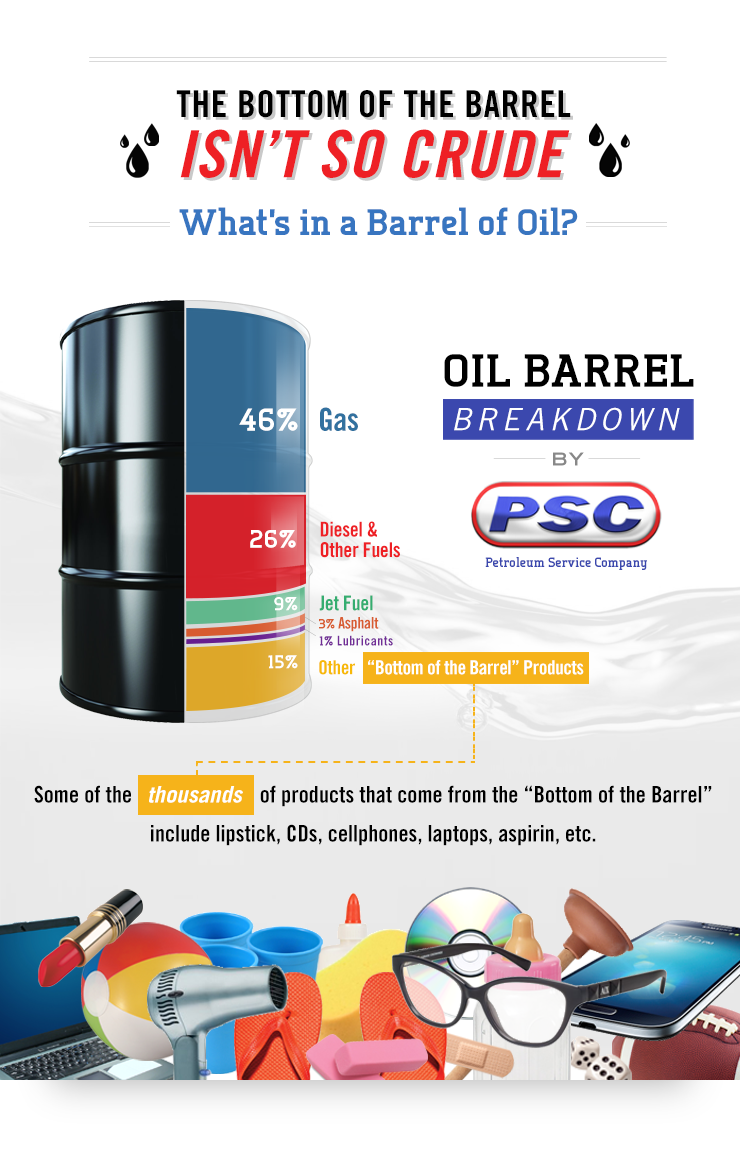
The largest portion of that barrel becomes gasoline, around 19 to 20 gallons to be precise.
This fuels our daily commutes, those exciting road trips, and brings our families together.
It's the energy that keeps our personal adventures rolling, allowing us to explore new horizons.
Another significant portion transforms into diesel fuel and jet fuel.
Diesel powers the massive trucks that deliver our groceries and packages, keeping the world's economy moving.
Jet fuel lifts us into the sky, connecting continents and allowing us to visit loved ones across vast distances.
The Plastic Parade: Everyday Wonders
This is where the surprise often kicks in! A sizeable chunk of that 42-gallon barrel becomes something entirely different.
It's transformed into plastics, the versatile material that shapes so much of our world.
Your smartphone case, the toys your children play with, and even parts of your favorite running shoes all likely began their life as crude oil.
Consider the humble water bottle you might carry, or the food packaging that keeps your snacks fresh.
The sturdy pipes in your home, the sleek dashboard of your car, and even some fabrics in your clothing have oil as their distant ancestor.
It's truly remarkable how one raw material can create such a diverse array of finished products.
Beyond the Obvious
The wonders don't stop there. From a single barrel of oil, we also get asphalt for paving our smooth roads.
Lubricants keep the engines of industry (and our cars) running smoothly, preventing wear and tear.
And for those living in colder climates, heating oil derived from that same barrel keeps homes warm and cozy during chilly winters.
A Small Number, A Big Impact
So, the next time you hear about a "barrel of oil," don't just picture a dusty container from a bygone era.
Instead, imagine that precise, historically rich volume of 42 gallons.
Picture the incredible journey it takes, from deep within the Earth to powering our cars, connecting us through flights, and creating the everyday objects that fill our lives.
It's a testament to human ingenuity and a quirky little piece of history that continues to shape our modern world.
This single, invisible barrel truly makes our world go 'round, in surprising and delightful ways!
It's a reminder that even the most common phrases can hide a fascinating story, waiting to be discovered and appreciated.
So, share this fun fact and enjoy a new perspective on something you might already use every single day.