
How Many Fire Drills Are Required Per Year

Alright, hands up if you've ever been in the middle of brewing your morning coffee, deep into an important email, or even just happily daydreaming, when suddenly – WEE-OOOH! WEE-OOOH! The fire alarm blares. Your heart does a little jump, you might let out a sigh, and then you join the slow, shuffling parade of people heading for the nearest exit, probably wondering, "Again? Don't we just do this to annoy us?"
You’re not alone. We’ve all been there, and it’s natural to feel a tiny bit of exasperation. But have you ever stopped to think about why these noisy interruptions happen? And perhaps more to the point, how often are they actually required?
Why Do We Even Bother With These Noisy Nuisances?
Before we dive into the nitty-gritty numbers, let's chat about the bigger picture. Think of fire drills like a dress rehearsal for a play you really hope never opens. Nobody wants the actual emergency, but if it does, you want to know your lines, where to stand, and exactly how to exit the stage gracefully (and safely!).
Must Read
It’s not just about running out of a building. It's about building muscle memory. It's about knowing the escape routes even when your mind is doing cartwheels of panic. It’s about remembering not to grab your laptop, but to grab the nearest human (if they need help!). And honestly, it’s about making sure the exits aren't blocked by someone's rogue filing cabinet. Because when seconds count, a clear path and a clear head are truly invaluable.
Imagine trying to make your favorite chocolate chip cookies from scratch for the first time, but someone tells you there’s an oven fire drill halfway through! You’d be flustered. But if you've practiced the "oven fire drill" (aka, "what to do if the oven bursts into flames while I'm baking") a few times, you'd know exactly what to do with that flaming cookie sheet. See? Drills make you a baking hero, or rather, a safety hero!
So, How Many Times a Year Are We Supposed to Do This?
The School Days Scenario
Let's start with where most of us probably first experienced the joys of a fire drill: school. Remember those days? The bell would shriek, and you’d line up in an orderly fashion, often complaining about missing five minutes of recess. Turns out, there’s a good reason for that regularity!
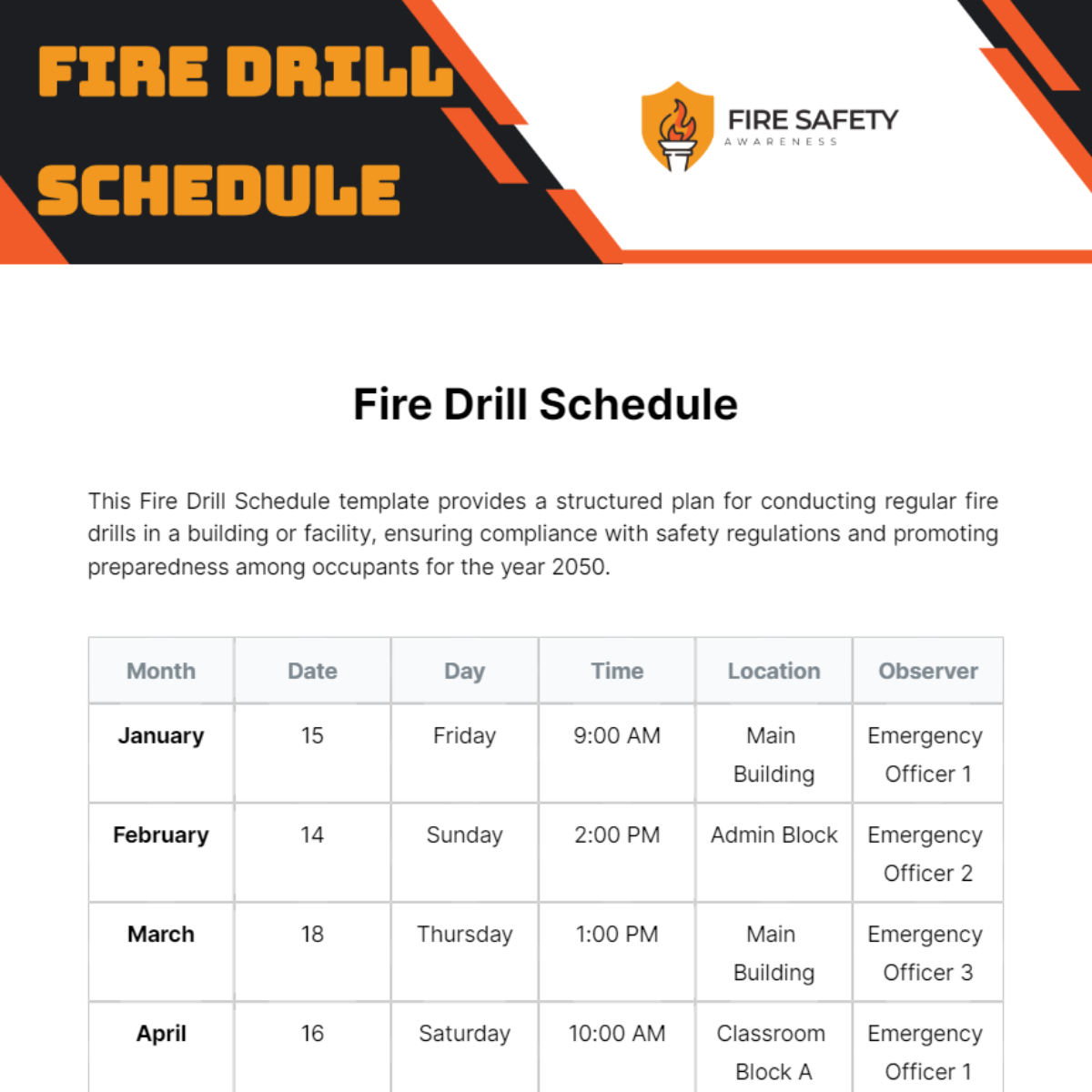
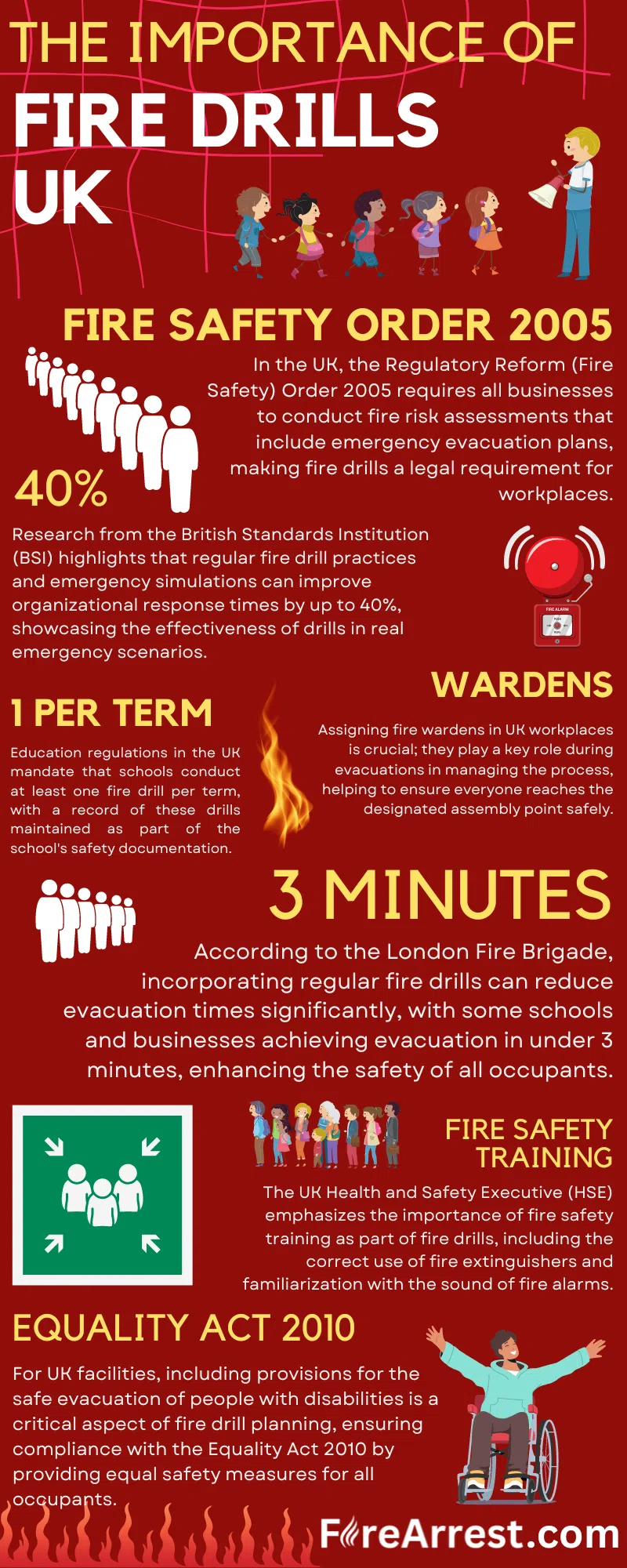
For most schools, the magic number is typically four to six fire drills per academic year. That’s usually one or two in the first few weeks to get everyone up to speed, and then a few more spaced out throughout the year. The idea is to make sure that even the littlest learners, or the coolest high schoolers, know the ropes backwards and forwards. It’s pretty consistent across the board to ensure every kid knows how to safely get out.
The Workplace Wobble
Now, onto the grown-up world: your office or workplace. This is where things can get a little more varied, depending on where you work, what kind of building it is, and what your local fire codes dictate. Generally speaking, most workplaces are required to conduct at least one to two fire drills per year.
However, if you work in a high-rise building, a manufacturing plant, or a facility with hazardous materials, you might find drills are more frequent – perhaps quarterly. Why? Because the stakes are higher, the risks are greater, and the escape routes might be more complex. Think of it like a very fancy office building versus a small, one-story boutique – different risks, different drill requirements!

At Home Sweet Home (Apartments and Condos)
What about where you hang your hat? If you live in an apartment building or condo complex, you might not be personally evacuating every few months. However, the building management is usually required to conduct regular fire alarm system tests and sometimes full-building drills, often annually or semi-annually. These aren't always full-scale evacuations for every resident, but they ensure the systems work and people know their general building procedures.
It’s a little like your car’s annual inspection – you don't take it in every week, but you definitely want it checked regularly to make sure everything is in tip-top shape for those unexpected moments on the road.
Special Cases: Hospitals, Nursing Homes, and More
For places where people might have mobility challenges or require constant care, like hospitals or nursing homes, the requirements are much stricter and more frequent. Often, these facilities conduct drills monthly or quarterly. The reasons are obvious: ensuring the safety of vulnerable populations requires constant vigilance and specialized, practiced procedures.
These drills often involve a 'relocation' strategy, moving patients to safer areas within the building rather than immediate full evacuation, which is a complex dance that requires frequent practice.
Why Should You Actually Care? (Beyond Avoiding Annoyance)
Okay, so now you know the numbers. But let’s get real: why should you actually give a hoot beyond just following the rules?
First, it’s about your well-being. When that alarm goes off, and it's not a drill, you don't want to be fumbling around like a squirrel trying to remember where it buried its nuts. You want to be smooth, calm, and efficient. Drills train your brain and feet to know exactly what to do.
![6 School Fire Safety Requirements [Infographic] - FMX](https://www.gofmx.com/wp-content/uploads/2023/08/school-fire-safety-requirements-infographic-430x1024.png)
Second, you could be a hero! Knowing the escape routes, where the muster points are, and what to do can help you not only save yourself but potentially assist a colleague, a classmate, or even a stranger who might be disoriented. Imagine being the person who calmly guides someone to safety – pretty cool, right?
Third, it's about peace of mind. There's a certain comfort in knowing that if the worst happens, you've got a plan. It's like having insurance for your house; you hope you never need it, but you're profoundly grateful if you do.
So, the next time that familiar siren wails, instead of grumbling, try to embrace it. See it as a few minutes of vital practice. It’s not just a drill; it’s a quick lesson in self-preservation, a communal exercise in safety, and maybe, just maybe, a chance to get some fresh air. It’s a little reminder that while safety might seem boring, it's actually pretty important, and knowing the drill makes everyone a little bit safer and a lot more prepared. Stay safe out there!