How Many Degrees Is Room Temperature
We all use the phrase, don't we? "Just leave it at room temperature." Or, "It's a bit chilly in here, could you turn up the room temperature?" It's such a common concept, so deeply embedded in our daily language, that we rarely stop to think: what exactly IS room temperature? Is it a single, precise number, like the boiling point of water, or something a bit more... fluid? It's a surprisingly fun and practical question to ponder, revealing a lot about our comfort, our homes, and even the science behind everyday life. Let's dive into this cozy conundrum!
At its heart, "room temperature" serves as a convenient and comfortable reference point. Its primary purpose is to describe a thermal state that is generally agreeable for human habitation and the stability of many common items. Think about it: our bodies thrive in a relatively narrow temperature range, and extreme heat or cold can be uncomfortable, even unhealthy. So, the benefit of having a recognized "room temperature" is creating an environment where most people feel at ease, not too hot, not too cold. It also acts as a crucial guide for countless products, from medicines and cosmetics to food items like chocolate and butter, instructing us to "store at room temperature" to prevent spoilage or degradation. It’s a silent guardian of our daily routines, ensuring everything from our morning coffee to our evening medicines is just right.
This seemingly simple concept pops up everywhere, from the lab to your kitchen. In education, particularly in science classes, experiments often specify "conduct at room temperature" to ensure standardized and repeatable results. Whether you're measuring the solubility of a substance or observing a chemical reaction, using a consistent ambient temperature is key. In daily life, its applications are endless. When a recipe asks you to bring butter to "room temperature," it's because softened butter emulsifies better in baking, creating a smoother texture. Your home thermostat is essentially a device for maintaining your desired room temperature, ensuring your living space is consistently comfortable. Even your smart home devices that monitor indoor climate rely on this very idea, striving to keep your environment within an optimal "room temp" range for energy efficiency and personal well-being.
Must Read
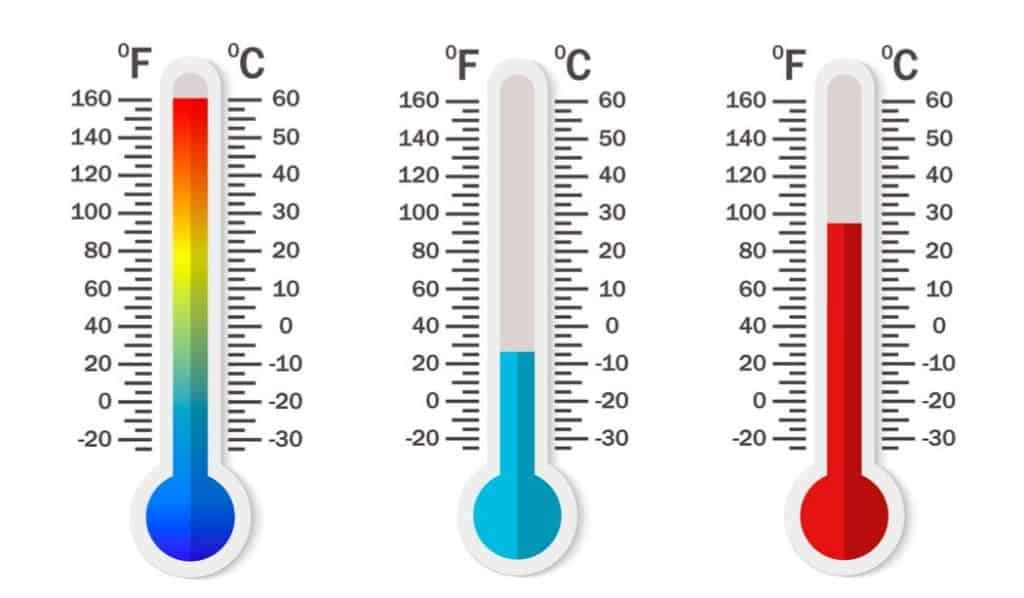
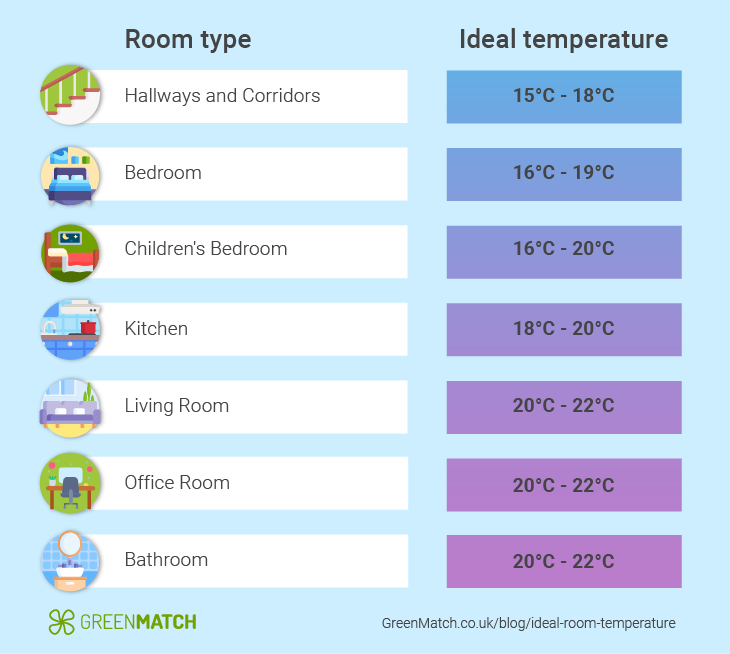
Curious to explore your own "room temperature"? It's wonderfully easy! The simplest way is to get a basic indoor thermometer. Place it in different rooms of your home at various times of the day. You might be surprised to find that your living room, kitchen, and bedroom can all have slightly different "room temperatures" due to factors like sunlight, insulation, and appliance use. Pay attention to how you feel at different readings – what's your personal sweet spot? For most people, the generally accepted range for room temperature hovers between 68°F and 72°F (20°C to 22°C), though scientific or pharmaceutical guidelines can sometimes specify a broader range, like 59°F to 77°F (15°C to 25°C). Don't just settle for what feels right; grab a thermometer and become a casual climate scientist in your own home. You might discover your ideal "room temp" isn't quite what you thought!