
How Many Carbon Monoxide Detectors Should Be In A Home
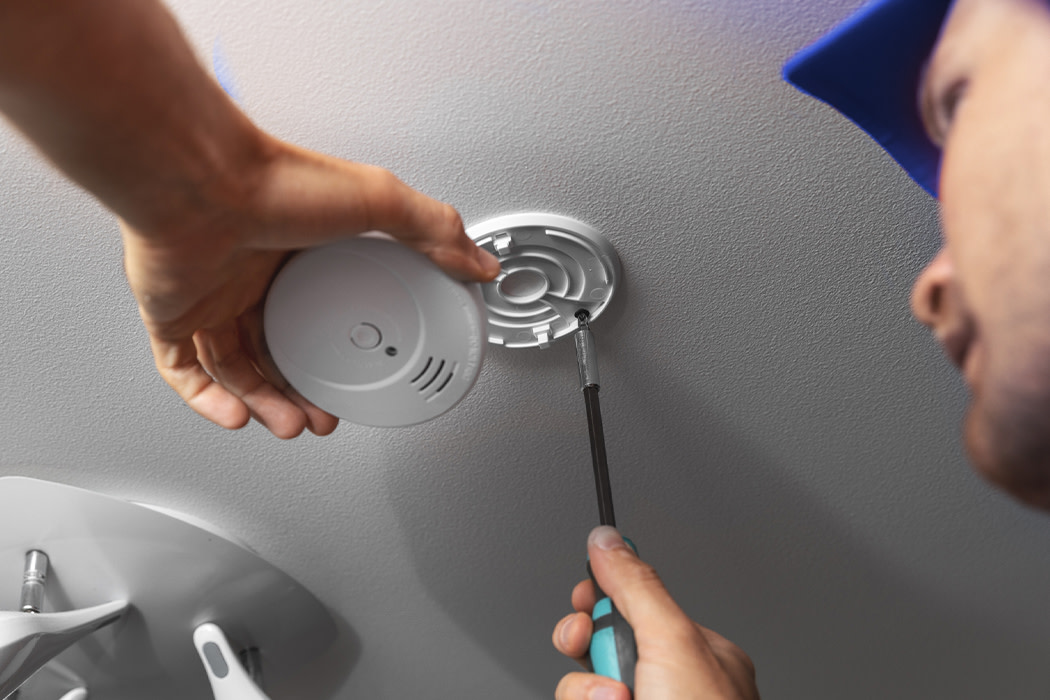
My buddy Dave, bless his heart, is the kind of guy who can build a shed from a toothpick and a dream, but when it came to home safety, let’s just say his priorities were... creative. He once told me he had a "smart" smoke detector. I asked if it also detected carbon monoxide. He blinked. "Detects what now?"
Yeah, that conversation was a wake-up call, not just for Dave, but for me too. We spend so much time making our homes pretty, comfy, and smart with all the gadgets, but sometimes the most fundamental safety stuff gets, well, forgotten. Or, if we do remember, we just throw one detector up and call it a day, right? You know who you are. (I'm raising my hand, don't worry.)
The Silent Sneak: Why CO is Such a Big Deal
Let's get real for a sec. Carbon monoxide (CO) is often called the silent killer for a reason. You can't see it, you can't smell it, you can't taste it. It’s a total ninja gas, creeping into your home from things like faulty furnaces, water heaters, gas stoves, fireplaces, or even cars idling in an attached garage. And once it's in your system, it basically hijacks your red blood cells, preventing them from carrying oxygen. Not cool, CO. Not cool at all.
Must Read
Symptoms? They're super vague at first: headache, dizziness, nausea. Kinda like the flu, or, let’s be honest, a rough Monday morning. Which is exactly why early detection is so incredibly important. We're talking about preventing a potentially fatal situation, here.
So, How Many Carbon Monoxide Detectors Are We Talking About?
Alright, down to brass tacks. You're probably thinking, "Just tell me the number already!" And while there isn't one single, magic number that fits every home like a glove (because, you know, homes are like people, unique!), there are some really solid, widely accepted guidelines that make a ton of sense.
The general consensus from fire safety experts, like the NFPA (National Fire Protection Association), is pretty clear:
-
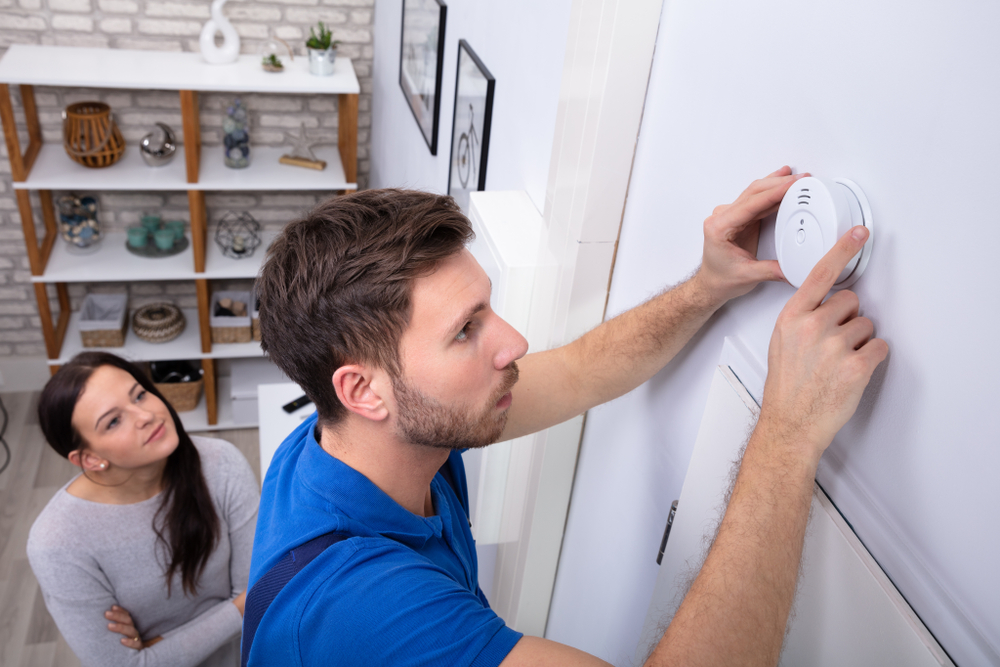
One on Every Level of your home: This is non-negotiable, folks. If you have a basement, a main floor, and an upstairs, that’s at least three detectors right there. And yes, basements count! Especially if you have a furnace or water heater down there. Don't skip the basement!
-
Near Sleeping Areas: This is absolutely critical. CO exposure can be deadliest when you're asleep because you might not wake up or notice the symptoms. So, if you have multiple bedrooms grouped together, one detector in the hallway outside those rooms is a must. If bedrooms are more spread out, consider one near each separate sleeping area.
-
In or Near Rooms with Fuel-Burning Appliances: Got a gas oven? A gas fireplace? A furnace that's seen better days? While your "every level" and "sleeping areas" plan might cover some of these, it's a good idea to ensure there's a detector relatively close to these potential sources. Think of it as an early warning system for the specific culprits.
And here's a little extra thought-starter for ya:
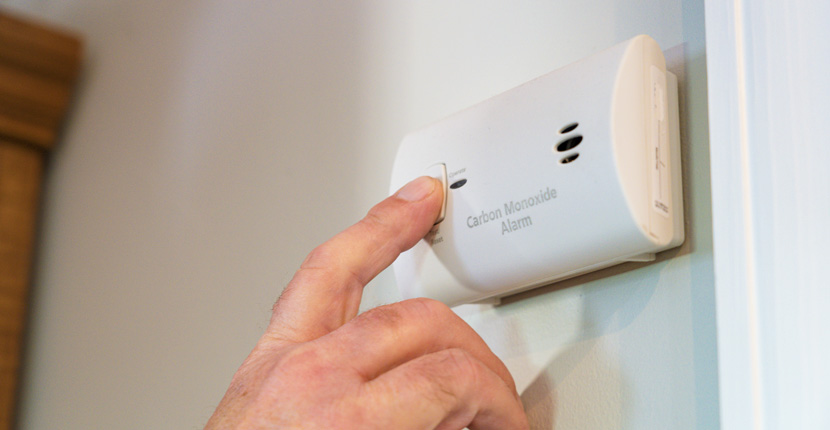
If you have an attached garage, especially one that leads directly into your home, you absolutely need a CO detector in the room adjacent to the garage. Cars, even when warming up for "just a minute," produce CO. You don't want that creeping into your living space.
Putting It Into Practice: A Quick Mental Walkthrough
Let's do a quick mental tour of your place. Imagine you're standing at your front door.
Main Floor: Is there a sleeping area? Is there a furnace closet? A gas stove? You'll want one here, probably in a central hallway or common area.
Upstairs: Where are the bedrooms? Put one outside them. If it's a huge upstairs with bedrooms at opposite ends, consider two.

Basement: Furnace? Water heater? Maybe a guest bedroom down there? You need one. Definitely.
Garage Adjacent Room: This is often overlooked. Add it to the list!
So, for a typical two-story house with a basement and an attached garage, you're likely looking at at least four or five detectors. Maybe more if you have a particularly sprawling layout or multiple distinct sleeping areas.
A Few More Nitty-Gritty Details
Combined Units: Many detectors now come as smoke and CO alarms. These are fantastic for efficiency and making sure you're covered for both threats. Just make sure you understand where they need to be placed, as smoke alarms are typically high on walls or ceilings, while CO alarms can be placed lower (though many modern combined units work well at standard smoke alarm height).

Placement Specifics: Generally, CO detectors should be placed at least 5 feet from fuel-burning appliances to avoid nuisance alarms, but not directly in front of a window or vent where drafts could affect readings. And always follow the manufacturer's instructions – they know their product best!
Battery vs. Hardwired vs. Plug-in: Each has its pros and cons. Battery-operated ones offer flexibility but need battery changes. Hardwired ones are reliable but need professional installation. Plug-in ones are easy but occupy an outlet. The important thing is to have them, and to make sure they're working!
The Takeaway: Peace of Mind is Priceless
Look, I get it. We've all got a million things on our to-do list. But this isn't just another chore. This is about protecting yourself and your loved ones from an invisible threat. It's about literally breathing easier, knowing you’ve taken the proper steps.
So, take a few minutes today to do that mental walk-through. Count your levels, count your sleeping areas, sniff out those fuel-burning appliances. And then, maybe pop over to your favorite online store or hardware shop. A few extra carbon monoxide detectors? That's not an expense; it's an investment in safety and peace of mind. And trust me, that's one smart home upgrade that's worth every single penny. Don't be a Dave (unless you're building a shed, then be all the Dave you can be!).