
How Many Carbon Monoxide Detectors In A House

Alright, let's chat about something super important but often overlooked in our cozy homes: carbon monoxide (CO) detectors. We all know about smoke detectors, right? Those chirpy little guardians that send us scrambling when we burn the toast (or, more seriously, alert us to a real fire). But CO? That’s a whole different beast. It’s the silent, invisible houseguest you absolutely do not want lingering without an invitation.
Think of it like this: If smoke is that loud, blaring party guest who knocks over a lamp and spills red wine everywhere, CO is the ninja who slips in, sits on your couch, eats your snacks, and you don’t even know they’re there until you start feeling a bit… off. And by "off," we mean headaches, dizziness, nausea, and potentially much, much worse. Scary, right? But don’t worry, we’re going to tackle this invisible menace with a bit of humor and a whole lot of common sense.
Why Bother with This Invisible Villain?
You might be thinking, "My house doesn't smell like anything weird, so I'm good, right?" And that's exactly the trick CO plays! It's completely odorless, colorless, and tasteless. It’s literally impossible for your human senses to detect it. This sneaky gas is produced when fuels like natural gas, propane, kerosene, wood, or charcoal don't burn completely. Think of your furnace, water heater, gas stove, fireplace, or even that car you left running too long in an attached garage – all potential CO culprits.
Must Read
Imagine waking up one morning feeling like you’ve been hit by a truck, but you didn't even have a fun night out. Or your kids are complaining of weird headaches, and you can’t figure out why. That's the danger. CO robs your blood of oxygen, essentially suffocating your cells from the inside out. It’s not just an inconvenience; it can be fatal. So, yeah, this is one of those times we need a little electronic helper to be our superhero.
The Big Question: How Many CO Detectors Do I Really Need?
Okay, deep breath! This isn't as complicated as calculating your taxes. The general rule of thumb, endorsed by safety experts, is pretty straightforward: You should have at least one CO detector on every level of your home. Yep, that includes the basement if it’s finished or used regularly. And if you have an attic that's a living space, pop one up there too!

But let's refine that a bit. Because while one on each level is a great start, we want to give you maximum peace of mind. So, here's the slightly more detailed (but still easy!) version:
Strategic Placement: Your CO Detector Army
Think of your CO detectors as your home’s security detail, strategically placed to catch any intruders. Here’s where they should be:
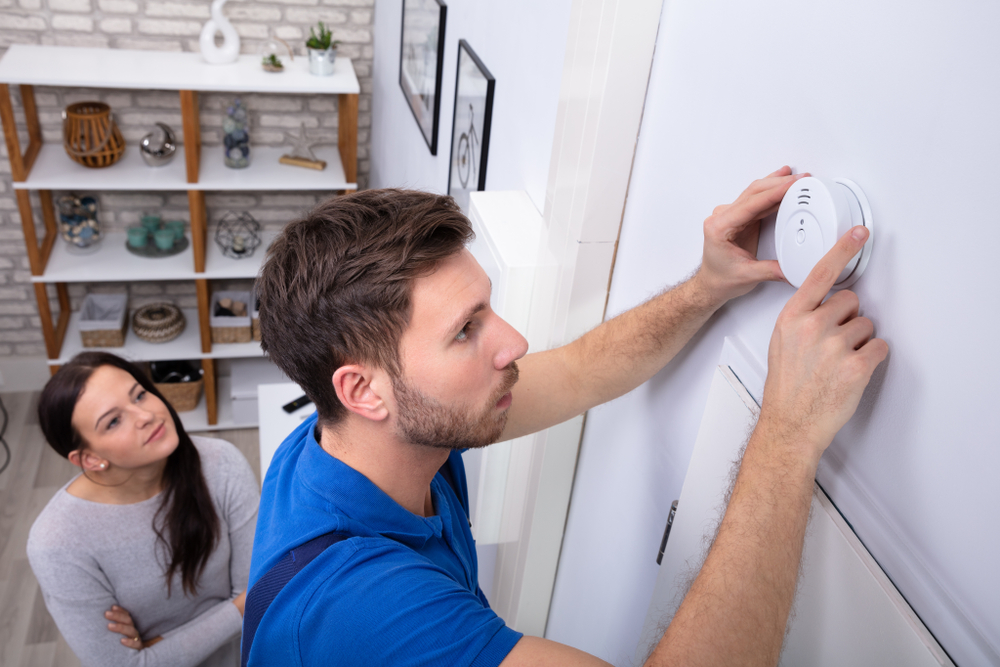
1. Near or Inside Every Sleeping Area: This is probably the most important rule. Why? Because CO is most dangerous when you're asleep. You won't feel the symptoms, you won't hear a weird smell (because there isn't one!), and you won't wake up feeling bad until it might be too late. Imagine a vigilant little guard dog stationed right outside your bedroom door, barking if there's any danger while you're catching Zs. That’s what your CO detector does. If you have multiple bedrooms on one floor, it’s a good idea to have one in the hallway serving those rooms, or even in larger master bedrooms.
2. On Every Level of Your Home: As mentioned, this includes basements and any other levels that are lived in or used regularly. CO can mix with air and spread, so having coverage on each floor ensures that no matter where a leak originates, it will be detected. Think of it like putting a Wi-Fi booster on each floor so you don't have dead spots – you want full safety coverage!
3. Near Attached Garages: If your house has an attached garage, definitely place a detector nearby, perhaps in the room adjacent to the garage or in the hallway leading into the house from the garage. We’ve all been guilty of letting the car warm up for "just a minute" too long, or forgetting to turn it off completely. Exhaust fumes are a major source of CO, and you don’t want that creeping into your living space.

4. Near Major Fuel-Burning Appliances (But Not Too Close!): It makes sense to have a detector close to your furnace, water heater, or gas fireplace, right? Absolutely! But here's a little trick: don't place it right next to the appliance. Sometimes the initial puff of combustion can trigger a false alarm. A good rule of thumb is at least 15-20 feet away, perhaps in the same room or an adjacent hallway.
A Few "Don'ts" for Your Detector
Just like you wouldn’t put your prized orchid in a dark closet, there are a few places CO detectors don't belong:
- Right next to a stove or oven: Cooking fumes can set off false alarms.
- In a bathroom: Humidity can affect the sensor.
- Near air vents or windows: Air currents can prevent CO from reaching the sensor effectively.
Combo Detectors: Two Birds, One Stone?
Many folks opt for combination smoke and carbon monoxide detectors, which is fantastic! They're like the dynamic duo of home safety. Just remember that even with a combo unit, you still need to follow the placement rules for both smoke and CO detection. One combo unit might cover the smoke detection for a large open space, but you'll still want dedicated CO coverage near sleeping areas and on every level.
A Little TLC for Your Detectors
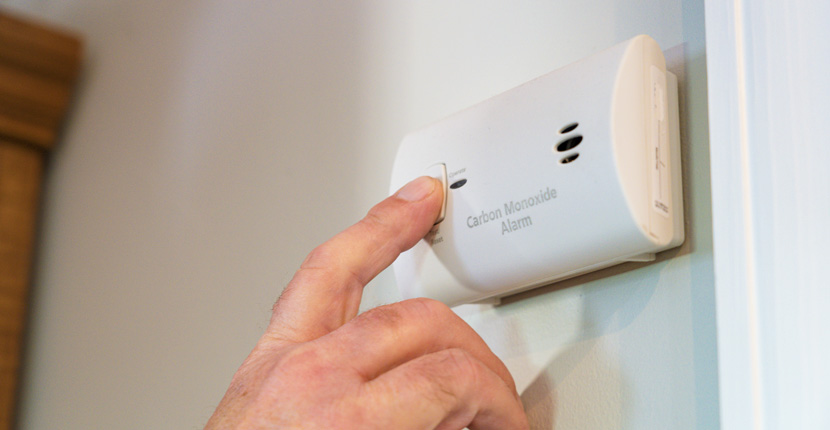
Just like your car needs oil changes, your detectors need a little love. Test them monthly by pressing the test button. It's usually a quick chirp, letting you know they're ready for action. If they take batteries, change them once a year (many people do it when daylight saving time changes – easy to remember!). And remember, these aren't forever gadgets; most CO detectors have a lifespan of about 5-7 years, after which they need to be replaced. They literally expire, much like that yogurt in the back of your fridge!
The Takeaway: Peace of Mind is Priceless
Setting up your home with the right number and placement of CO detectors is one of the easiest, most affordable ways to protect your loved ones from a truly sneaky danger. It’s not about fear; it’s about being smart and proactive. So, go ahead, treat yourself to that extra detector (or two!). It’s a small investment for some serious peace of mind, knowing your home is guarded against that invisible houseguest. You’ll sleep better, and your brain (and lungs!) will thank you for it.