How Many Amps Does A Block Heater Draw
Ever woken up on a frosty morning, peered out the window, and thought, "Oh boy, here we go again"? If you live in a place where winter truly means business, chances are you've either used a block heater or wondered about those mysterious cords dangling from parked cars. It's not just about getting your engine started; it's about comfort, efficiency, and a little bit of winter magic! Understanding how much power your block heater draws, specifically in amps, is super useful. It's not a dry, technical topic; it’s about making your cold mornings easier and your vehicle happier, making it a surprisingly popular topic for anyone navigating the colder months.
So, why bother knowing about block heater amps? Well, for beginners or new car owners in chilly climates, it’s fundamental knowledge. It helps you understand what that little cord is doing and why it’s important for your engine's health and longevity. For families, a properly used block heater means reliable starts, less wear and tear on the family vehicle, and potentially better fuel economy on those initial cold-engine drives – which translates to saving a few bucks. And for the more hands-on hobbyists or DIY enthusiasts, knowing the amp draw allows you to select the correct extension cord, safely use timers, or even manage power if you're plugging into a generator. It's all about making informed choices to keep things running smoothly and safely.
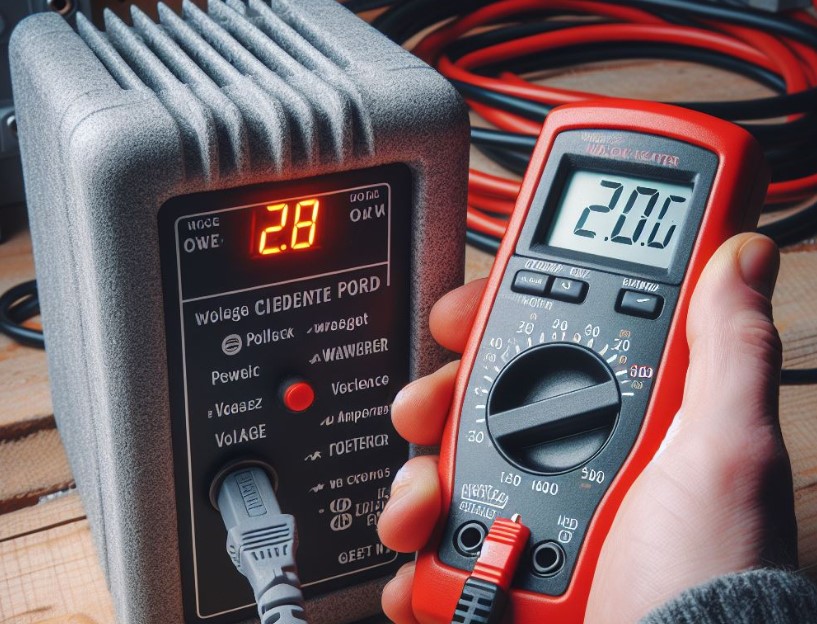
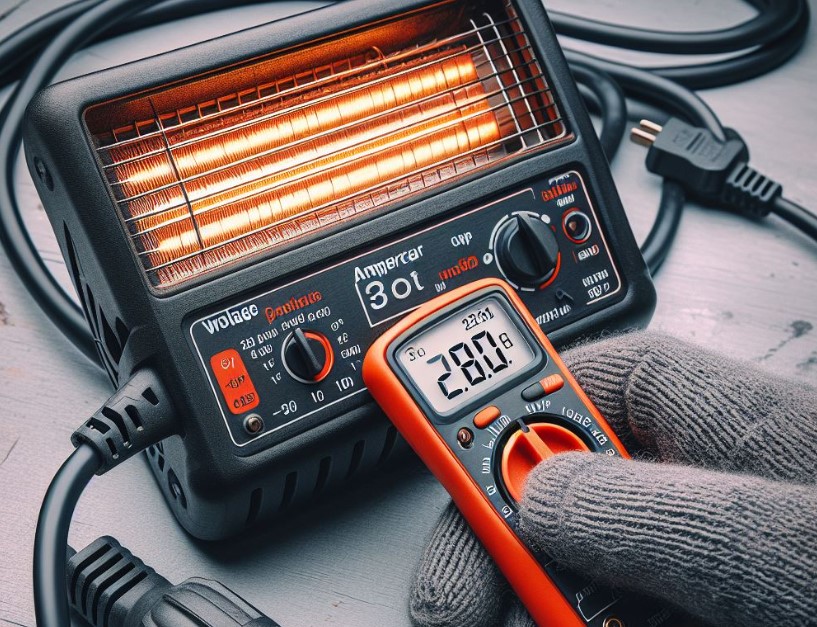
Let's get down to the numbers. Most passenger vehicle block heaters draw somewhere between 5 to 10 amps. To put that into perspective using watts (which is often how heater power is advertised), that's roughly 750 to 1500 watts. Think of it this way: a typical coffee maker might draw around 10 amps, and a powerful hairdryer could be 12-15 amps. So, your block heater is definitely a power-hungry appliance, but it's usually within the limits of a standard household outlet if used correctly. Factors like the engine size (bigger engines often have higher wattage heaters), the specific heater design, and even the ambient temperature can subtly influence the actual draw, but that 5-10 amp range is a good rule of thumb for most cars and light trucks. While "block heater" is the common term, there are also lower radiator hose heaters or magnetic oil pan heaters, which all serve a similar purpose of warming fluids, though their amp draw might vary slightly.
Must Read
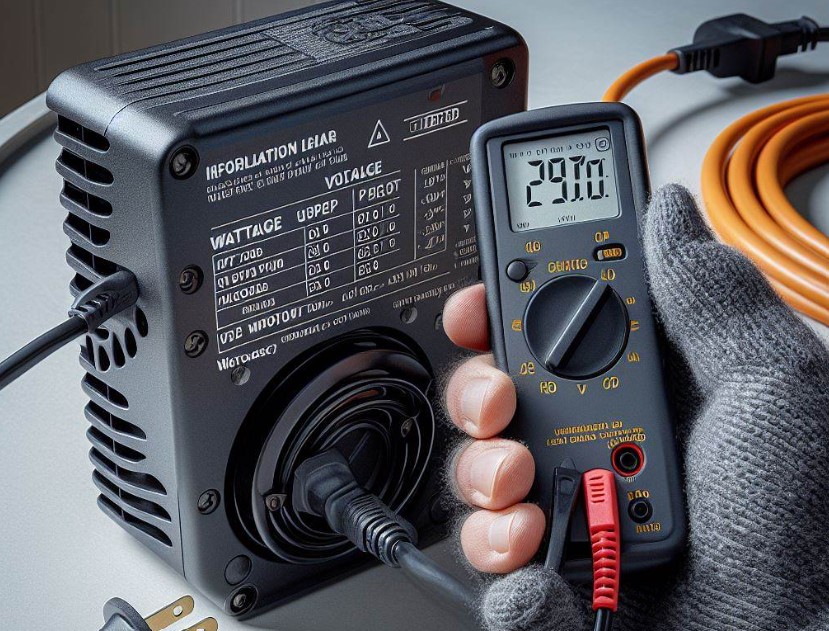
Ready to put this knowledge to use? Here are some simple, practical tips to get started. First, always check your vehicle's owner's manual; it often specifies the exact wattage or amp draw of your factory-installed block heater. Second, and this is crucial, use an appropriate heavy-duty outdoor extension cord. Those thin indoor cords are a fire hazard! Look for a cord rated for at least 15 amps and designed for outdoor use in cold weather. Third, consider using a simple outdoor timer. You don't need to run your heater all night; plugging it in 2-3 hours before you leave is usually plenty, saving you electricity. Finally, always inspect your cord for any damage before plugging it in, especially cracks in the insulation that can occur in extreme cold. A little vigilance goes a long way!
Understanding how many amps your block heater draws isn't just a technical detail; it's a small piece of knowledge that brings a lot of peace of mind and convenience to winter driving. It empowers you to make smarter choices about how you power your car, ensuring easier starts, less engine strain, and potentially a bit more money in your pocket. So go ahead, embrace the power of knowledge, and enjoy those warmer engine starts all winter long!