
How Long Will My Generator Run
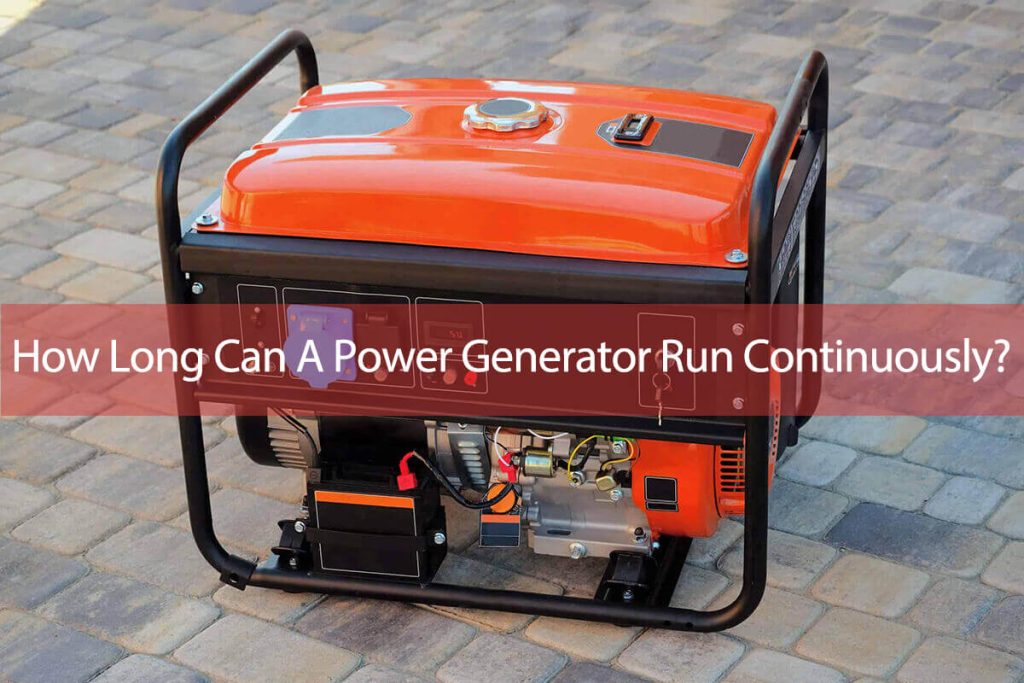
Okay, let's talk generators. Not the kind that live in power plants (those guys are unionized, I hear), but the portable, put-in-your-garage, "oh-crap-the-power-is-out" kind. You know, the ones that roar to life like a grumpy bear disturbed from hibernation?
We've all been there. Candlelight dinners are romantic for, like, the first hour. After that, you're just trying to find the dog in the dark and wondering if that weird smell is the chicken thawing out. That’s when your generator becomes your best friend. But how long will this friendship last? How long will it chug along, keeping the lights on and the fridge humming?
The answer, as with most things in life, is: "It depends." Think of your generator like your stomach on Thanksgiving. How long it lasts depends on what you're feeding it (fuel, in the generator's case) and how much you're asking it to do (powering your appliances).
Must Read
The Fuel Factor: Gas Guzzlers vs. Sippers
Generators, generally speaking, run on gasoline, propane, or natural gas. Gasoline is the most common. It's readily available, but it also goes bad faster than that kale you bought with the best intentions. Remember to use a fuel stabilizer if you plan on storing gas for emergencies. Otherwise, you’ll be cursing yourself while trying to unclog a carburetor, which is about as fun as flossing with barbed wire.
Propane generators are a bit more stable in terms of fuel storage. Propane tanks can sit for ages without the fuel going bad. However, propane burns less efficiently than gasoline. Think of it as comparing a marathon runner (gasoline) to a weightlifter (propane). The weightlifter is strong, but burns out faster. Propane typically gives you less runtime per gallon equivalent compared to gasoline.
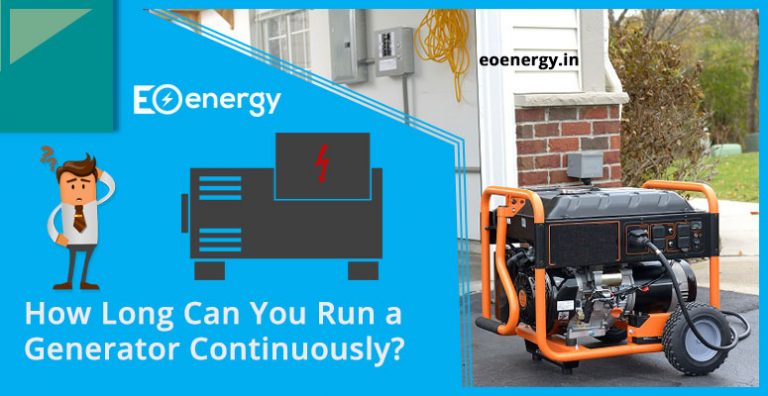
Natural gas is usually connected directly to your home's gas line, which means (theoretically) an unlimited supply. The downside? These generators are usually permanently installed and more expensive.
The Load Factor: Powering a City or Just a Nightlight?
Here's where things get real. Your generator's runtime is directly tied to how much power you're demanding from it. Think of it like this: hauling a small wagon versus towing a boat. The smaller the load, the longer the haul.
Every appliance sucks up a certain amount of power, measured in watts. Your refrigerator is a power hog, especially when the compressor kicks on. So is your air conditioner (if you're lucky enough to have one hooked up). Light bulbs? Not so much, especially if you've switched to LEDs. Your generator's capacity is measured in watts too.
The math is simple: the closer you get to maxing out your generator's wattage, the faster it will burn through fuel. Running only essential lights and appliances will drastically extend its runtime.
Estimating Your Runtime: A Back-of-the-Envelope Calculation
Most generator manufacturers provide an estimated runtime based on a 50% load. This means they're assuming you're using about half of the generator's maximum power output. But let's be honest, who actually runs at exactly 50%? Life is rarely that precise.
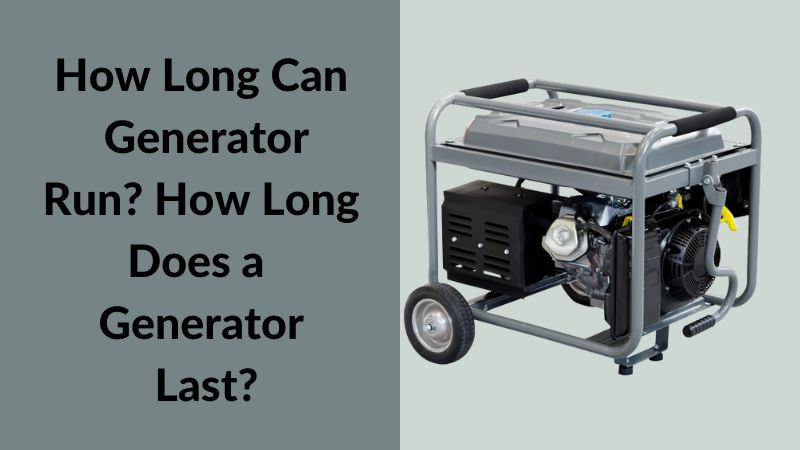
Here's a rough estimate: If your generator has a 5-gallon tank and the manufacturer claims 10 hours of runtime at 50% load, you can expect something around that number if you're only running the essentials. If you're trying to power the entire house, you might be looking at half that time, or even less.
Tips and Tricks to Maximize Runtime: Become a Generator Whisperer
Okay, you want to squeeze every last drop of juice out of that generator? Here are a few tips:
* Only run essential appliances. Prioritize the fridge, a light or two, and maybe the TV to keep up with the news (or binge Netflix, we won't judge). * Turn off appliances when not in use. That extra lamp in the bedroom doesn't need to be on if you're in the living room. * Consider investing in a larger fuel tank. Or, you know, just stock up on extra gas cans. Just make sure you store them safely and legally. * Regular maintenance is key. A well-maintained generator runs more efficiently. Change the oil, clean the air filter, and give it a once-over before the next power outage. Think of it as preventative therapy for your mechanical buddy.Ultimately, knowing how long your generator will run is about understanding its fuel capacity, your power needs, and practicing a bit of energy conservation. So, the next time the lights flicker, you'll be prepared, not just stumbling around in the dark wondering where you put the dog treats.
