
How Long Should A Plasma Tv Last

So, you've got a plasma TV. Maybe you snagged it back in the day when they were all the rage, a shimmering, vibrant beast dominating your living room. Or perhaps you're a vintage tech enthusiast, proudly rocking a pre-LED relic. Either way, the question lingers: how long is this beauty going to last?
The short (and slightly unsatisfying) answer is: it depends. But let's ditch the boring tech jargon and delve into the real, human side of plasma TV longevity.
The Myth of the Fading Plasma
One of the biggest concerns about plasma TVs was always burn-in. Remember that static logo from your favorite news channel? The fear was it would become permanently etched onto the screen, a ghostly reminder of past viewing habits. This could happen, but it was often exaggerated. Think of it like your grandma's favorite armchair – it might develop a slight indentation where she always sits, but it doesn't completely collapse, right?
Must Read
Modern plasma TVs incorporated features to mitigate burn-in, like pixel shifting and screen savers. But even without those, the reality is most people didn't watch the same static image for hours on end, day after day. Burn-in became more of an urban legend than a widespread plague. Plus, if you did get a little burn-in, sometimes you could even "massage" it out with special screen cleaning techniques. It was a bit like giving your TV a spa day!
The Glorious Half-Life
The technical term you might hear is "half-life." This refers to the amount of time it takes for the brightness of the TV to decrease by half. For many plasma TVs, this was estimated to be around 60,000 hours. That sounds like a lot, right? Well, let's break it down.

Let's say you watch your plasma TV for an average of 4 hours a day. That's about 1,460 hours a year. To reach that 60,000-hour half-life, it would take you over 41 years! Now, that's some serious binge-watching dedication.
Of course, the half-life is just an estimate. Other factors come into play, like how bright you typically keep the screen and the overall quality of the components. But the point is, plasma TVs were generally built to last. They weren't designed to be disposable gadgets. They were meant to be cherished (or at least, tolerated by your spouse for taking up so much space).

The Unexpected Demise
What's more likely to kill your plasma TV before it dims into oblivion? Well, think about all the ways any electronic device can meet its untimely end.
- Power surges: A sudden jolt of electricity can fry the circuits faster than you can say "warranty." Invest in a good surge protector!
- Accidents: Let's be honest, accidents happen. A rogue Nerf dart, a misplaced cup of coffee, a toddler with a fascination for shiny buttons… the possibilities are endless.
- Dust bunnies: Over time, dust can accumulate inside the TV, causing overheating and malfunction. A little TLC with a can of compressed air can go a long way.
- The Great Component Failure: Sometimes, things just break. A capacitor pops, a resistor gives up the ghost. It's the circle of life, electronics edition.
The Legacy of the Plasma
Even if your plasma TV eventually kicks the bucket, it served you well. It provided countless hours of entertainment, brought families together (or at least into the same room), and witnessed some truly epic TV moments.
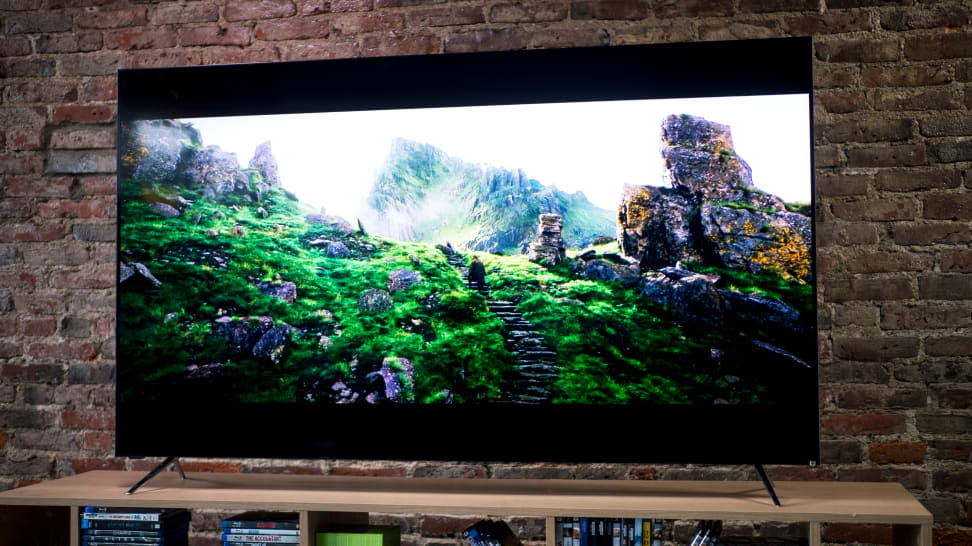
So, how long should your plasma TV last? As long as it possibly can! Treat it with respect (and maybe a little dusting), protect it from rogue projectiles, and cherish the vibrant picture quality while it lasts. Because let's face it, they don't make 'em like they used to. And who knows, maybe one day your vintage plasma TV will be a prized collector's item, a testament to a bygone era of television technology. You'll be able to tell your grandkids, "Back in my day, we didn't have these fancy quantum dot displays. We had plasma, and we liked it!"
And they'll probably just roll their eyes and go back to watching holographic cat videos.
