How Long It Takes To Get A Bachelor's Degree
Alright, gather 'round, folks, because we're about to dive into the thrilling, suspenseful, and occasionally soul-crushing journey of... getting a bachelor's degree! How long does it actually take? Well, buckle up, because the answer is about as straightforward as a politician's apology.
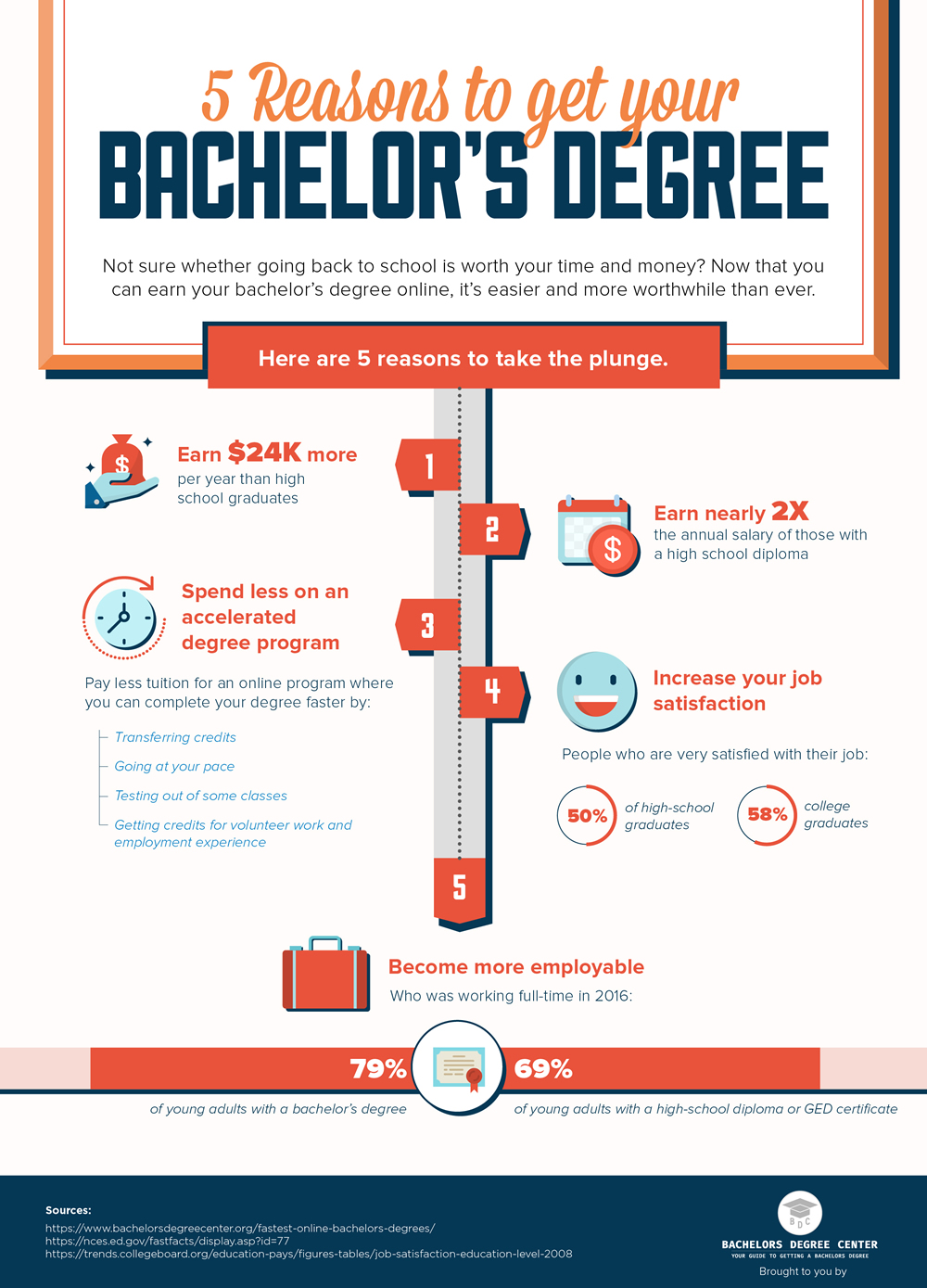
The textbook answer, the one your guidance counselor probably droned on about, is four years. Four years of ramen noodles, questionable fashion choices, and all-nighters fueled by caffeine and the sheer terror of impending deadlines. Sounds fun, right?
The Myth of the Four-Year Plan
Okay, let's be real. The "four-year plan" is often more of a hopeful guideline than a rigid itinerary. It's like saying you'll only eat one slice of pizza at a party. Possible? Sure. Probable? Let's not kid ourselves.
Must Read
Life happens! Maybe you discover that organic chemistry is actually your arch-nemesis (it's a common villain). Perhaps you decide to spend a semester backpacking through Southeast Asia, searching for enlightenment (and cheaper Pad Thai). Or maybe you just need to work to, you know, afford that aforementioned ramen.
The average time to graduate with a bachelor's degree is actually closer to five to six years. Don't panic! This doesn't mean you're slow. It just means you're... living life to the fullest! Or, you know, struggling to find parking on campus. Same difference, really.
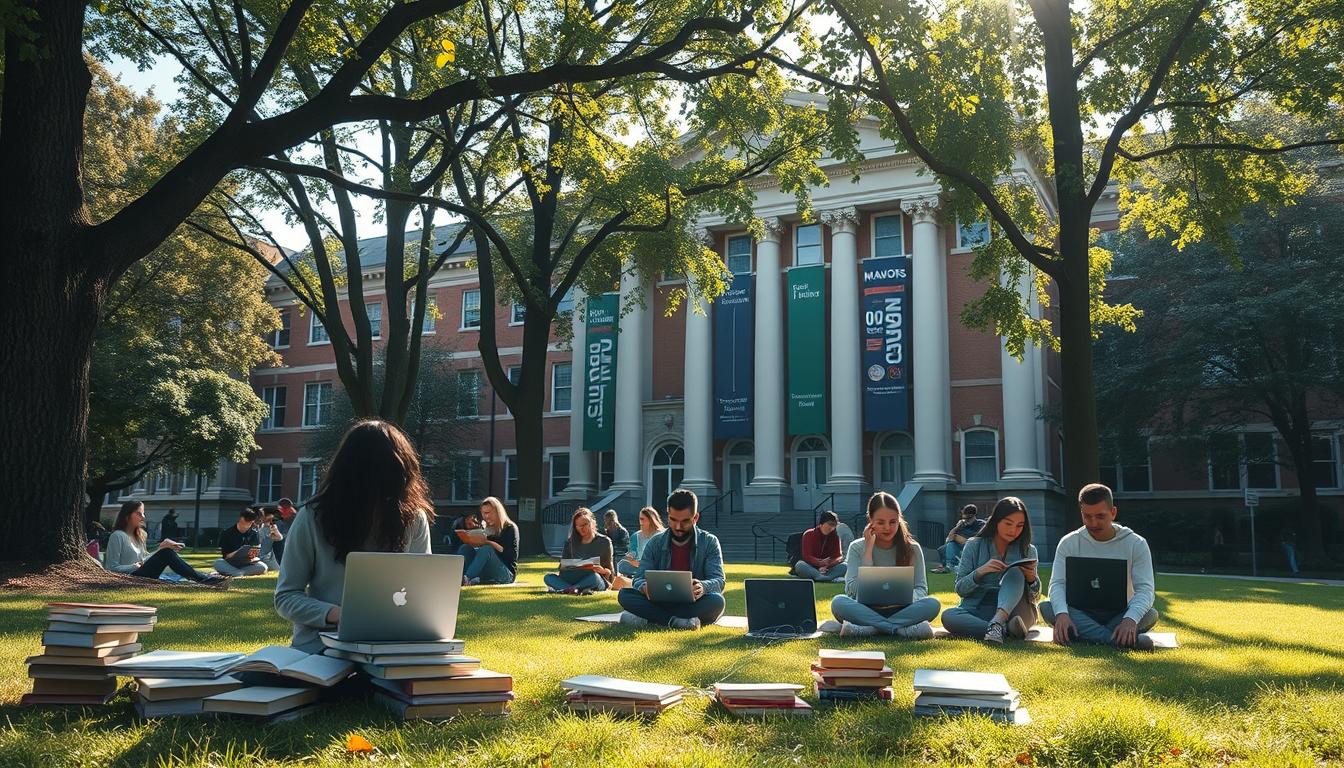
Think of it this way: those extra years aren't a delay, they're bonus content. You get more time to make friends, explore different interests, and figure out what you really want to do with your life. Plus, you'll have even more embarrassing stories to tell at family gatherings.
Factors That Can Speed Things Up (or Slow Them Down)
So, what determines whether you’re a four-year flash or a leisurely six-year saunter? Several factors can influence your graduation timeline:
- Major Choice: Some majors are notoriously credit-heavy. Engineering? Prepare for a marathon. Underwater basket weaving? Maybe not so much (though good luck finding a job).
- Course Load: Taking a full course load (usually 12-15 credits per semester) will keep you on track. But burning yourself out is never a good idea. Remember, slow and steady wins the race… or at least graduates with a decent GPA.
- Summer Courses: Summer classes are like the express lane to graduation. They're intense, but they can shave off a significant amount of time. Just be prepared to sweat... both from the heat and the sheer volume of information.
- AP Credits/Dual Enrollment: If you were a super-achiever in high school (or just really good at cramming), AP credits can give you a head start. It's like having a cheat code for college.
- Changing Majors: Ah, the classic college plot twist! Deciding your initial major isn't for you can add time (and possibly some tuition bills). But hey, it's better to switch than to graduate with a degree you'll never use. I know a guy with a degree in Medieval Lithuanian Poetry who now sells insurance. True story.
- School Transfers: Transferring schools can be a great way to find the right fit, but it can also mean losing credits. Be sure to carefully research how your credits will transfer before you make the leap.
The Online Option: A Shortcut?
Online programs can be a flexible way to earn a degree, especially if you're juggling work or family responsibilities. Some people can finish faster as they have more control over their schedule. However, they are not necessarily faster. Online programs require a lot of discipline and dedication.
So, What's the Bottom Line?
Look, there's no one-size-fits-all answer to the "how long" question. The important thing is to focus on your own journey. Don't compare yourself to others. College is about learning, growing, and discovering who you are. And sometimes, that takes a little extra time.
So, take a deep breath, embrace the chaos, and remember to enjoy the ride (even when you're pulling an all-nighter fueled by instant coffee and existential dread). You'll get there eventually. And when you do, you'll have a piece of paper that proves you can survive anything... including four (or five, or six) years of higher education. Cheers to that!