
How Long Does Thc Pens Stay In System

Okay, so picture this: last summer, my cousin Sarah decided to embrace the "chill vibes" and bought a THC pen. It was all very discreet and millennial-cool. Then, BAM! Surprise drug test for her internship. Cue panic, frantic Google searches, and a whole lot of "I swear I only took like, two puffs!" So, naturally, everyone wanted to know: how long does that stuff really stay in your system?
That's the million-dollar question, isn't it? And unfortunately, there's no simple, one-size-fits-all answer. Think of it like trying to guess how long a song will stay stuck in your head – it depends on the song, how much you like it (or in this case, how much you used the pen), and your own unique brain (or, you know, body).
Factors Affecting THC Detection
Let's break down the main variables that play a role in how long THC hangs around. Because let's be real, understanding this stuff is way more important than remembering the lyrics to that 90s earworm you're now humming. (Sorry, not sorry).
Must Read
Frequency of Use: This is the big kahuna. If you're an occasional user, like Sarah with her two-puff experiment, THC will likely clear out faster than if you're hitting that pen daily. Think of it like cleaning your house – a quick tidy is way easier than tackling months of accumulated mess.
Dosage: Obviously, the more THC you consume, the longer it'll take your body to process it. High-potency pens? Yeah, those can linger. Lower dose? Potentially quicker clearing time.
Metabolism: Everyone's body processes things differently. Some people have super-speedy metabolisms, burning through calories and… well, everything else. Others are a bit more… leisurely. (No judgment, we all have our strengths!).

Body Fat Percentage: THC is fat-soluble, meaning it's stored in your fat cells. So, generally speaking, the higher your body fat percentage, the longer THC can potentially be detected. Sorry, but it's science! (Don't shoot the messenger!).
Type of Drug Test: Different tests have different detection windows. This is crucial. Let's dive into that a bit more.
Different Types of Drug Tests and Detection Windows
Here's the lowdown on the most common types of drug tests and how long they can detect THC:
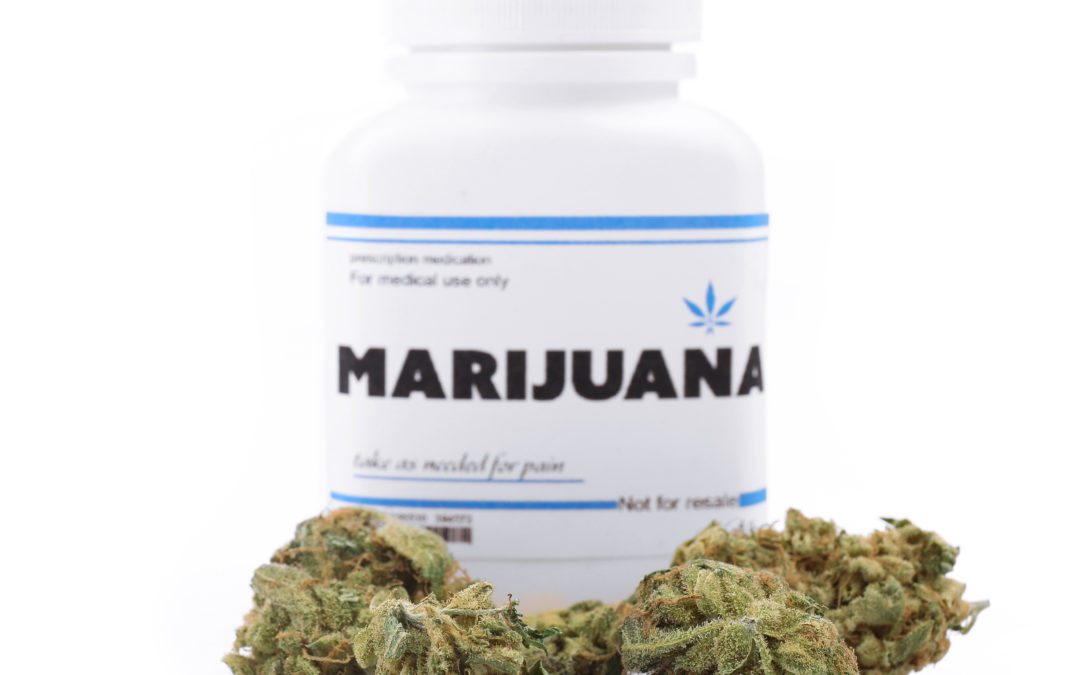
Urine Test: This is the most common type. For occasional users, THC can be detected for up to 3 days. Moderate users might see it detectable for 5-7 days. Heavy users? Brace yourselves, it could be 30 days or even longer. Yikes!
Blood Test: Blood tests have a shorter detection window, typically only detecting THC for a few days (1-2 days max) after use. They're more commonly used to determine recent impairment rather than long-term use.
Hair Follicle Test: These are the gold standard for long-term detection, but also the most expensive and least common. Hair follicle tests can detect THC for up to 90 days. Talk about a deep dive into your past!

Saliva Test: Similar to blood tests, saliva tests have a short detection window, typically detecting THC for 24-72 hours. They're often used for roadside testing.
So, What Does This All Mean?
Basically, there's no magic number. It's all about understanding the factors involved and the type of test being used. But here's a rough (very rough) estimate:
- Occasional users: 1-3 days
- Moderate users: 5-7 days
- Daily users: 30 days or more
Keep in mind that these are just estimates, and your individual results may vary. Don't rely on this information as a foolproof guide! If you have a drug test coming up, the safest bet is always abstinence.

Can You Speed Up the Process?
Unfortunately, there's no proven way to magically flush THC out of your system overnight. Those detox drinks? Mostly scams. (Sorry, not sorry again!). Staying hydrated and exercising may help a little, but they're not miracle cures.
The best advice? Be honest with yourself about your usage and plan accordingly. And maybe, just maybe, tell your cousin Sarah to stick to chamomile tea next time. Just kidding (sort of!).
Disclaimer: I'm not a doctor or a drug testing expert. This information is for educational purposes only and should not be considered medical or legal advice. Always consult with a qualified professional for any questions or concerns.