
How Long Does Sustanon Stay In Your System
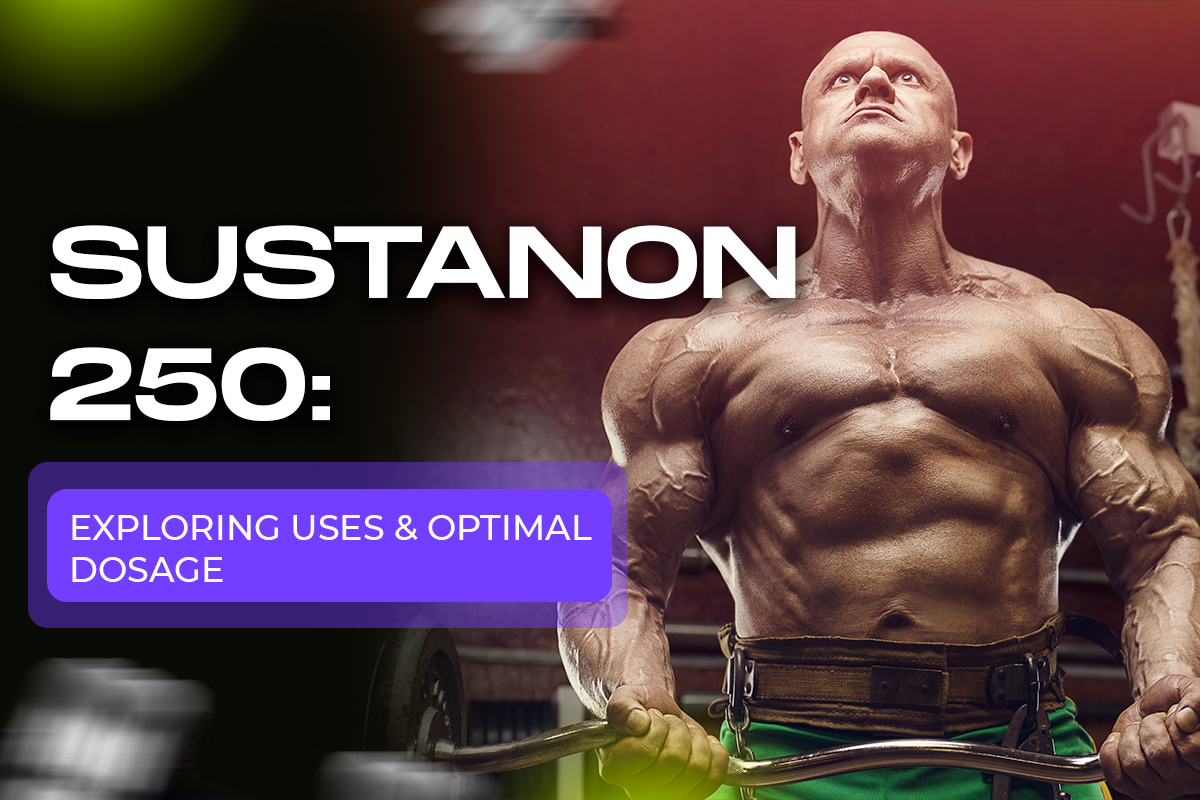
Ever wondered how long that energy drink you chugged at 3 PM is still buzzing around in your system at bedtime? Well, when we're talking about substances like Sustanon, which is a blend of testosterone esters used in hormone replacement therapy and sometimes, let's be honest, by folks looking to bulk up, understanding its staying power becomes a bit more crucial. It's not quite as simple as a sugar rush, so let’s dive in!
What is Sustanon Anyway?
Think of Sustanon like a slow-release vitamin pack for your testosterone. It's not just one form of testosterone; it's a mix of four different ones (testosterone propionate, testosterone phenylpropionate, testosterone isocaproate, and testosterone decanoate). This clever combo means you get a quick boost followed by a sustained release over time. Imagine it like a carefully crafted playlist designed to keep you energized throughout the week, not just for one intense burst.
Each of these testosterone forms has a different 'half-life,' which is the time it takes for half of the substance to be eliminated from your body. Think of it like a melting ice cube – a shorter half-life means it melts faster.
Must Read
So, How Long Does It Stick Around?
Here's where it gets a little technical, but we'll keep it breezy. Because Sustanon is a blend, we need to consider the longest-lasting component, which is usually testosterone decanoate. Generally, Sustanon can be detected in your system for anywhere from 3 to 6 months after the last injection. That's a pretty broad range, right?
Think of it like estimating how long a road trip will take. You know the distance, but traffic, snack breaks, and unexpected detours all play a role.
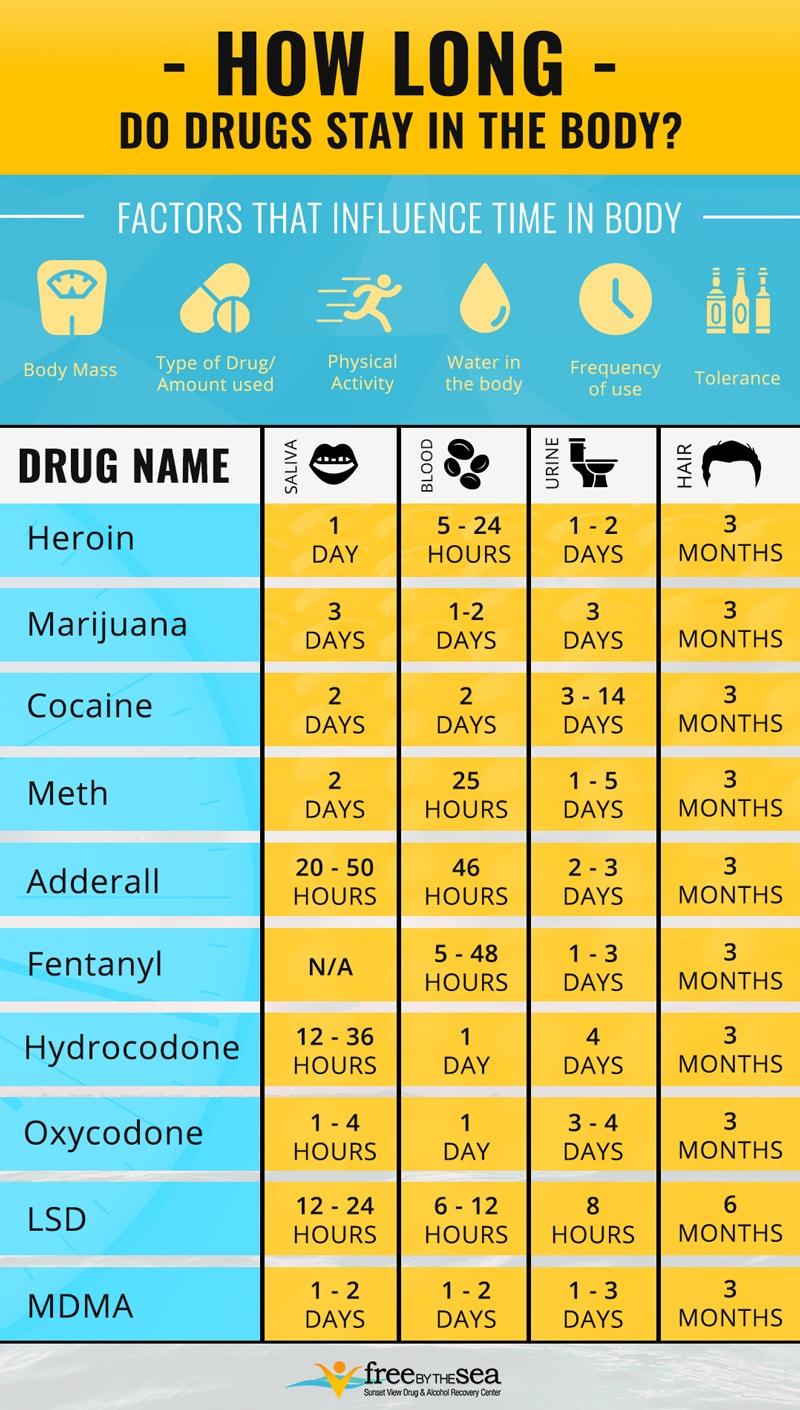
Factors That Affect Detection Time
Several factors influence how quickly your body clears Sustanon. Here are the big players:
- Dosage: Obviously, the more you take, the longer it will take to clear. It's like the difference between a small cup of coffee and a huge mug – the big mug's buzz will linger longer.
- Frequency: Frequent injections mean a more consistent presence in your system.
- Metabolism: Your body's engine. Some people have super-efficient metabolisms that process substances quickly, while others are a bit slower. This is often down to genetics, age, and overall health.
- Body Fat: Testosterone is fat-soluble, meaning it can be stored in fatty tissue. Higher body fat percentage can potentially prolong detection times.
- Age: As we age, our metabolism tends to slow down, potentially increasing the detection window.
- Liver and Kidney Function: These are your body's detoxification powerhouses. If they're not functioning optimally, it can take longer to eliminate substances.
Why Should You Care?
Understanding how long Sustanon stays in your system is important for several reasons:
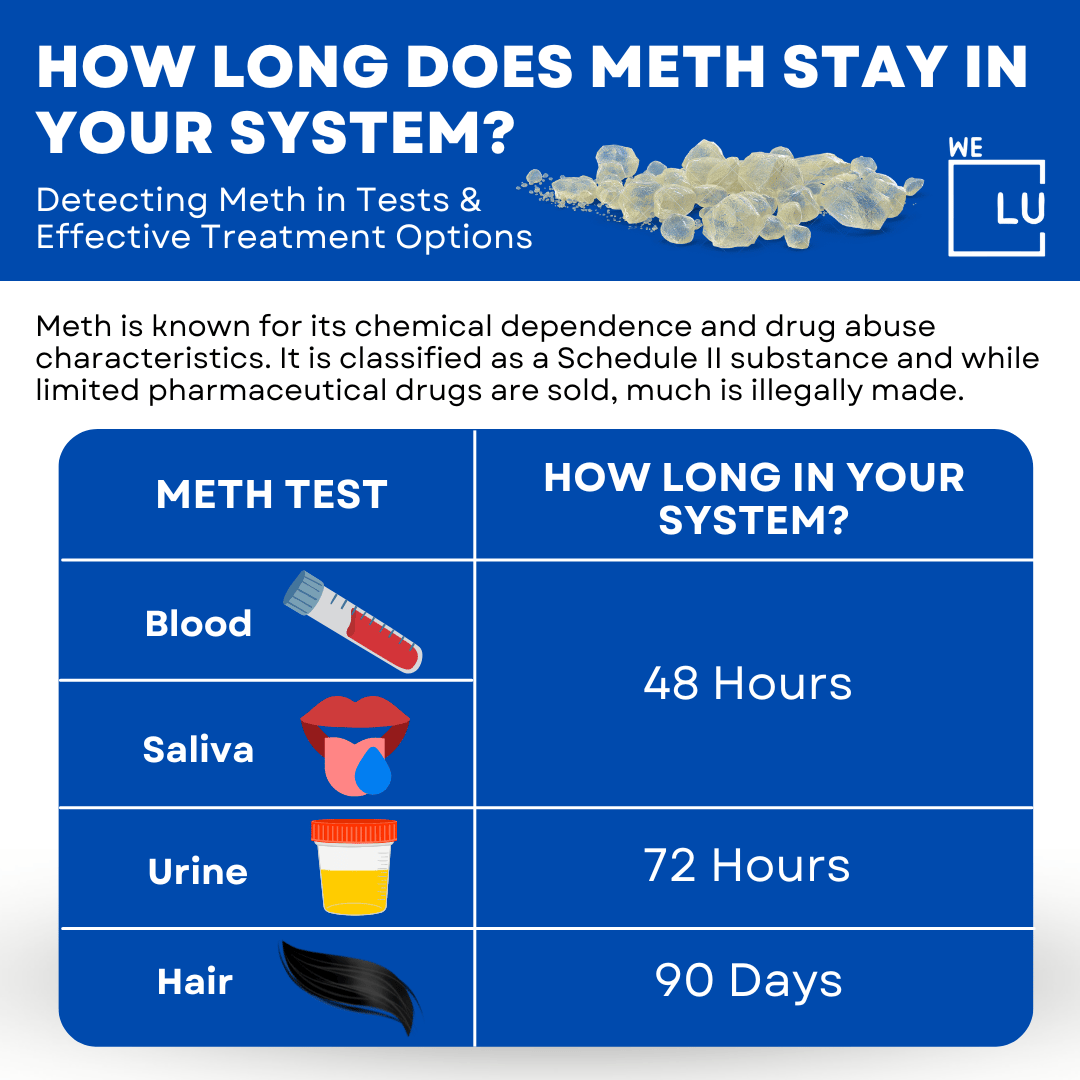
- Drug Testing: Athletes and individuals subject to drug testing need to be aware of detection windows to avoid positive results and potential sanctions. It’s like knowing the rules of the road before you hit the highway.
- Side Effects Management: Knowing the elimination timeline can help you anticipate and manage potential side effects as the substance leaves your system.
- Therapeutic Purposes: If you're using Sustanon for hormone replacement therapy, understanding its half-life can help you and your doctor fine-tune your dosage and injection schedule for optimal results. You want to be Goldilocks, getting it just right.
- Personal Safety: If you are considering using Sustanon, understanding its effects, both intended and unintended, is critical for making informed decisions about your health. Always prioritize your wellbeing and seek proper guidance.
Important Considerations
I'm not a doctor, and this isn't medical advice. Always consult with a qualified healthcare professional before starting any hormone therapy or if you have concerns about substances in your system. They can provide personalized guidance based on your specific situation.
Furthermore, it is important to remember that using Sustanon without a legitimate medical need carries significant risks. Potential side effects include acne, hair loss, mood swings, cardiovascular issues, and fertility problems. Always prioritize your health and safety.

Think of it like this: just because you can build a rocket in your backyard doesn't mean you should. Some things are best left to the experts.
So, there you have it! Sustanon's staying power is a complex issue with no one-size-fits-all answer. But hopefully, this gives you a clearer picture of the factors involved and why understanding them is important. Stay informed, stay safe, and remember to always consult with a healthcare professional for personalized advice.
