How Long Does Methylfolate Stay In Your System

Ever feel like decoding your own body's mysteries? We're diving into a topic that might sound a little sci-fi, but is actually super practical: how long methylfolate, a souped-up form of folate, hangs around in your system. Think of it like understanding how long the energy boost from your morning coffee lasts – useful intel, right? Knowing this can help you optimize when you take it and understand its effects on your well-being.
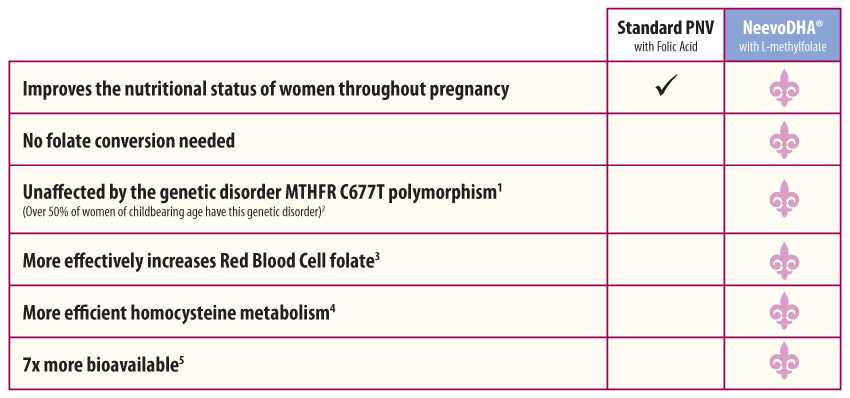
So, what's the big deal with methylfolate anyway? It’s essentially a readily usable form of folate, also known as Vitamin B9. Folate is crucial for a ton of bodily functions, including DNA synthesis, cell growth, and red blood cell formation. But here’s the catch: some people have a genetic variation that makes it difficult for them to convert regular folic acid (the synthetic form of folate often found in supplements and fortified foods) into its active form, methylfolate. This is where methylfolate supplements come in! They bypass that conversion process, offering a direct and efficient boost of this essential nutrient.
Think of methylfolate as the VIP pass to the folate party. Its main purpose is to support healthy cell division and growth. It plays a vital role during pregnancy to prevent neural tube defects. Beyond that, methylfolate contributes to cardiovascular health by helping to keep homocysteine levels in check (high levels of homocysteine are linked to heart problems). It also supports neurological function, potentially aiding in mood regulation and cognitive performance.
Must Read
Now, for the burning question: how long does methylfolate stick around? Unfortunately, there's no one-size-fits-all answer. The half-life of methylfolate (the time it takes for half of the substance to be eliminated from your body) varies. However, because it's water-soluble, your body doesn't store it for long periods. Excess methylfolate is typically excreted through urine.
Several factors influence how quickly your body processes and eliminates methylfolate. These include your metabolism, kidney function, dosage, and even individual genetics. Someone with a faster metabolism might clear methylfolate more quickly than someone with a slower metabolism. If your kidneys aren't functioning optimally, it could take longer to eliminate. And, of course, a higher dose will naturally take longer to clear than a smaller one.

In general, you can expect methylfolate to be significantly reduced in your system within 24 hours. However, its effects might linger longer, especially if you're taking it consistently. It’s more about the cumulative effect than the immediate presence of the supplement in your bloodstream. That’s why consistency is key when taking methylfolate to reap its benefits.
So, while pinpointing the exact timeframe is tricky, understanding the general principles can empower you to make informed decisions about your supplementation. Remember to consult with your healthcare provider to determine the appropriate dosage and timing for your individual needs. They can provide personalized guidance based on your health history and current medications. Knowledge is power, and understanding how methylfolate works in your body is a step towards optimizing your health!