
How Long Does It Take For Petroleum To Form
Hey, wanna grab a virtual coffee? We're gonna chat about something kinda mind-blowing: how long it actually takes for petroleum – that black gold that fuels, well, pretty much everything – to form. Prepare to feel ancient!
Okay, so, buckle up. This isn't a quickie microwave situation. We're talking geological time, people! Forget instant gratification; think more like... the lifespan of a mountain range. Seriously.
The Short Answer (Kinda)
Alright, alright, I know you want a number. The "official" answer is usually millions of years. Yeah, millions. Like, longer than your grandma's been alive… by a LOT. Think dinosaurs chilling on beaches, then fast forward a loooong time.
Must Read
But, of course, it's not quite that simple, is it ever? There are a bunch of factors that can speed things up (a tiny bit, relatively speaking) or slow them down even more.
The Super-Simplified (But Still Accurate-ish) Process
Here's the basic recipe for petroleum, simplified for your (and my!) sanity:

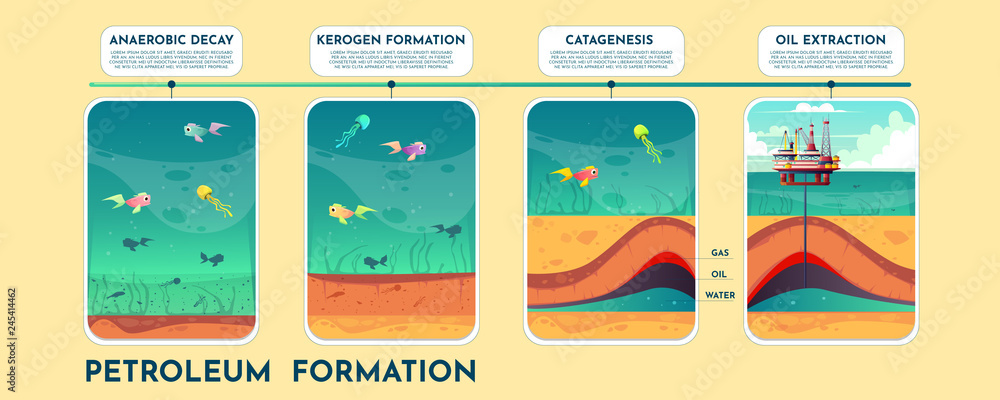
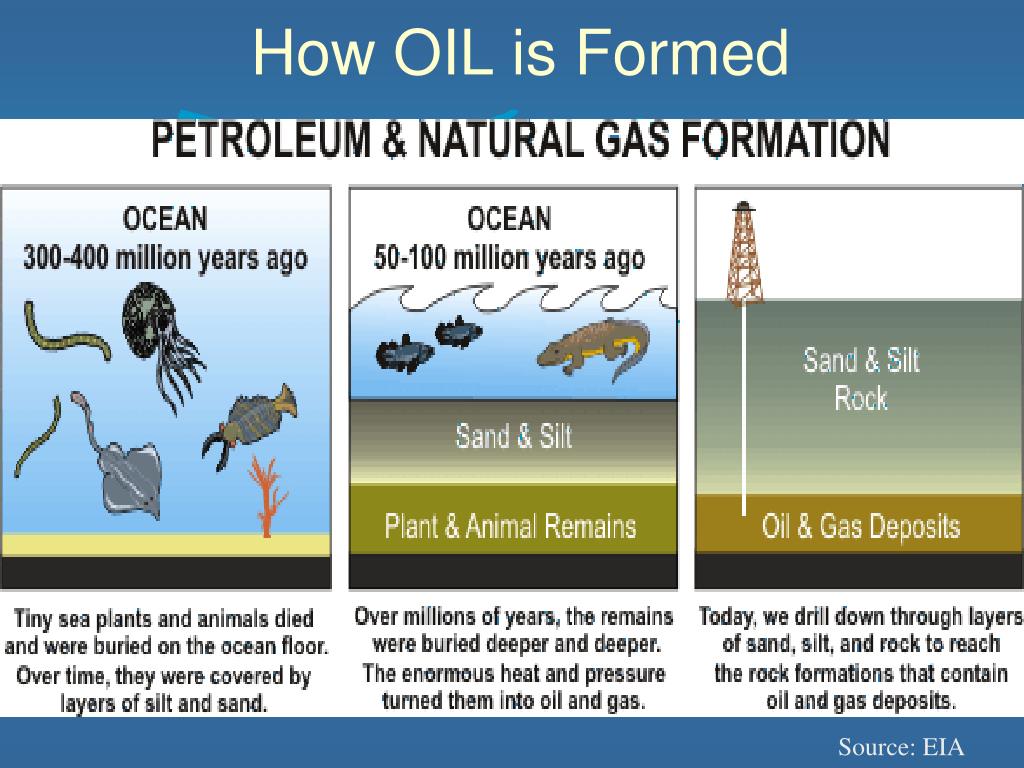
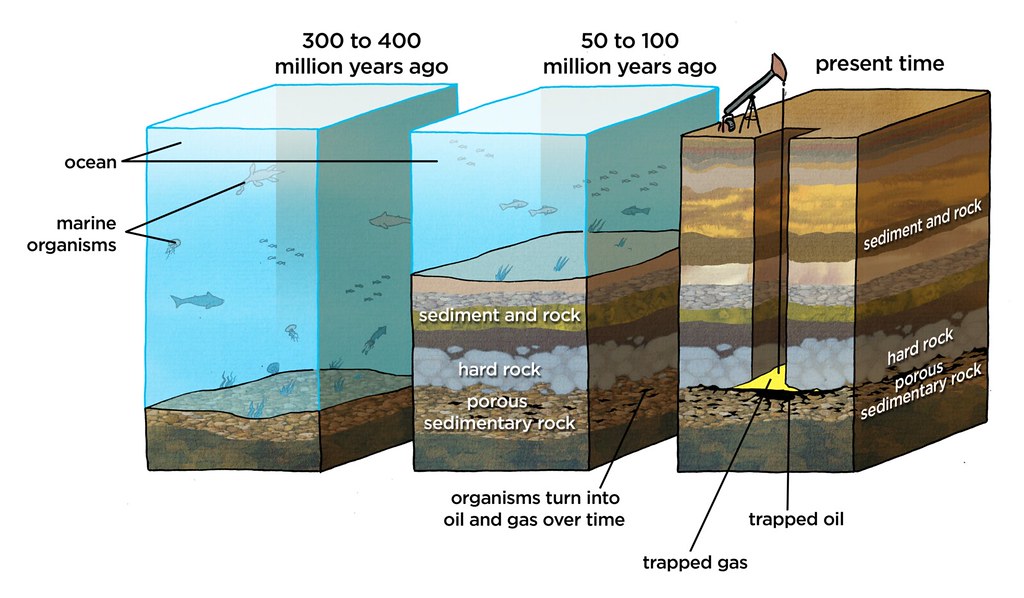
- Step 1: Dead Stuff. Think microscopic sea creatures (plankton, algae, the whole gang) dying and sinking to the bottom of the ocean or a lake. Gross, I know, but crucial!
- Step 2: Sediment Sandwich. Over time, layers of sediment (sand, silt, clay) pile up on top of this dead organic matter. Imagine making a HUGE sandwich, but instead of lettuce and tomato, it's… well, dead plankton and mud. Appetizing, right?
- Step 3: Pressure Cooker. All that weight from the layers above creates immense pressure. And guess what else? The deeper you go, the hotter it gets!
- Step 4: Chemical Transformation. Under that pressure and heat, the organic goo slowly transforms into kerogen. Kerogen is like the precursor to oil and natural gas. Think of it as pre-oil.
- Step 5: The Real Deal. Given even more time, heat, and pressure, the kerogen breaks down further into oil and natural gas. Voila! Petroleum! (Cue triumphant music… or maybe just the sound of creaking rocks.)
Easy peasy, right? Just kidding! It's a massively complex process involving a whole host of chemical reactions and geological factors. But hey, at least you get the gist.
So, What Speeds It Up (Or Slows It Down)?
Here's the thing: not all geological "ovens" are created equal. Some bake faster than others.
- Temperature: Higher temperatures generally mean faster cooking (or, you know, oil formation). But too hot, and you might end up with natural gas instead of oil. It's a delicate balance!
- Pressure: More pressure? Potentially faster formation. It's like squeezing all the goodness out of those dead organisms. (Okay, I'm going to stop talking about dead organisms now. Promise.)
- Type of Organic Matter: Some types of organic matter are just "oilier" than others. Imagine using lean beef vs. fatty bacon – same basic ingredient, different results.
- The Right Rocks: You need porous and permeable rocks (like sandstone) for the oil to accumulate in. It's gotta have somewhere to go!
Basically, it's like trying to bake the perfect cake. You need the right ingredients, the right temperature, and the right oven. Mess up any of those, and you might end up with a geological brick instead of precious petroleum.
The Bottom Line (and Why You Should Care)
So, millions of years. It's a pretty humbling thought, isn't it? It also underscores why petroleum is considered a non-renewable resource. We're using it up way faster than it can naturally replenish. Think about that the next time you fill up your car!
And, just as a random aside, this also explains why finding oil is such a tricky and expensive business. Geologists are basically trying to find places where all those geological factors aligned perfectly millions of years ago. It's like looking for a needle in a haystack… a haystack made of rock and time.
Anyway, that's petroleum formation in a nutshell (or maybe a dead plankton shell?). Now, who's buying the next round of virtual coffee?
