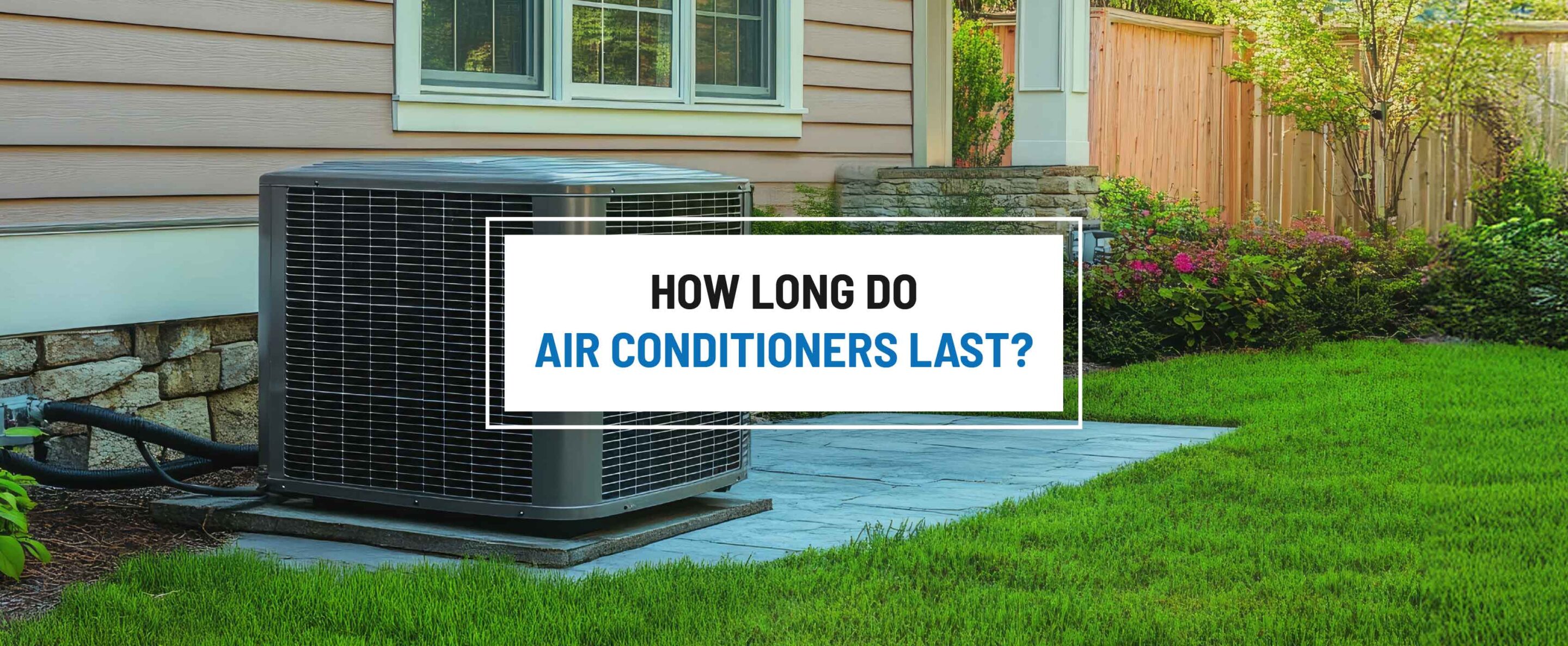
How Long Does An A/c Unit Last
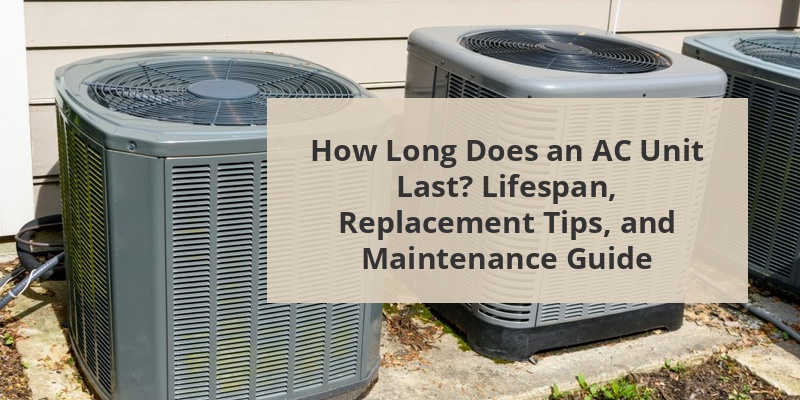
Okay, so picture this: My friend Sarah moved into her new place last summer, and the AC unit out back looked like it had seen a few too many fashion cycles since the 80s. It was humming, yes, but it sounded less like a gentle lullaby and more like a rusty tractor trying to sing opera. Every time it kicked on, she'd flinch, half expecting it to sputter its last breath and leave her to melt into a puddle of regret. It actually survived the summer, to her utter shock, but it certainly sparked a burning question in her mind (and mine!): How long do these things actually last?!
If you've ever found yourself staring suspiciously at your outdoor unit, wondering if you're on borrowed time, or maybe just hoping it holds out "one more summer, please!" then you, my friend, are not alone. It's a universal question, especially when the mercury starts climbing. Let's dig into the not-so-secret life span of your home's unsung hero: the air conditioner.
The Magic Number (and Why It's Not So Magic)
Alright, let's cut to the chase. Generally speaking, a central air conditioning unit is typically built to last anywhere from 10 to 15 years. Some lucky ducks might even squeeze 20 years out of a well-maintained system. But here's the kicker: that's an average, a guideline, a "under ideal circumstances" kind of number. Think of it like car mileage estimates – totally depends on how you drive it, right?
Must Read
So, what exactly nudges your AC into the "early retirement" category or makes it a seasoned veteran?
The Big Factors That Dictate Lifespan
1. Maintenance, Maintenance, Maintenance (Can't Stress This Enough!)
This is probably the single biggest determinant. Seriously. Imagine not changing the oil in your car for years. Disaster, right? Your AC is no different. Regular filter changes (you are changing them, aren't you?), annual professional tune-ups, and keeping the outdoor unit clear of debris are paramount. Neglect it, and you're basically signing its early death certificate. A little love goes a long way, trust me.
2. How Hard Does It Work? (Climate & Usage)
An AC unit in scorching Phoenix, running non-stop for months on end, is going to have a shorter life expectancy than one in, say, a milder climate like the Pacific Northwest, where it only gets a moderate workout. If you're constantly cranking it down to arctic levels and running it 24/7, you're putting a lot more stress on the components. It’s simple wear and tear.
3. Installation Quality (Crucial!)
You can buy the fanciest, most expensive AC unit on the market, but if it's installed poorly, its lifespan will be severely compromised. Improper sizing for your home, leaky ductwork, or incorrect refrigerant levels from day one can lead to constant overworking and premature failure. It's like having a world-class athlete with really bad shoes. You need a good, reputable installer.
4. The Brand and Initial Quality
Let's be real: some brands are just built better than others. While a cheaper unit might seem like a steal upfront, it could cost you more in repairs and an earlier replacement down the line. Investing in a reputable brand with a good warranty often pays dividends in longevity and fewer headaches. You get what you pay for, right?
5. Your Home's Environment
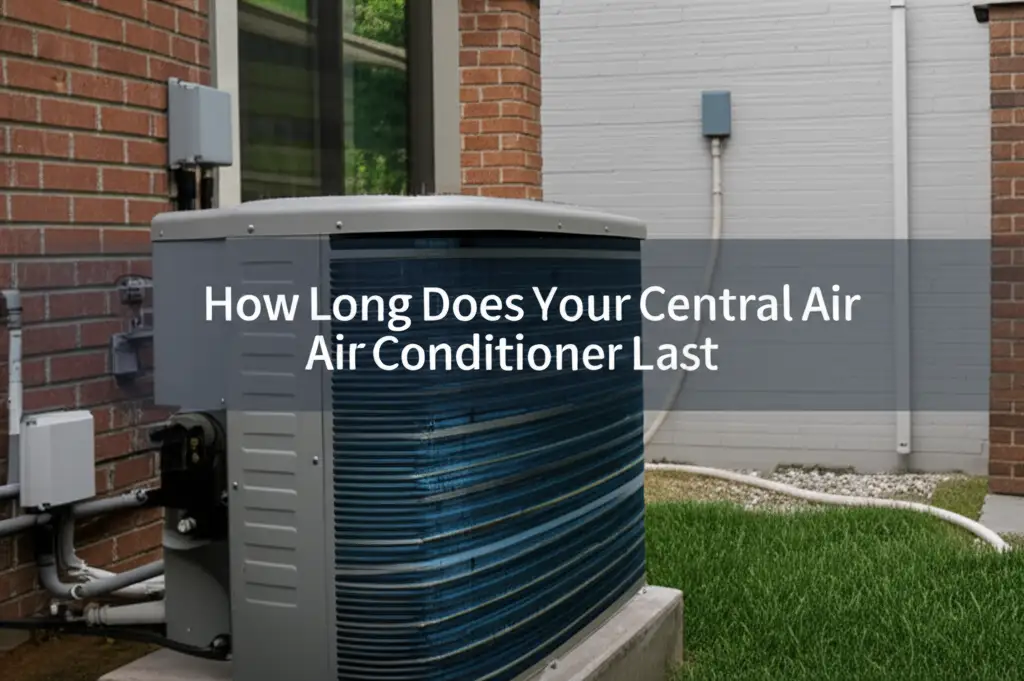
Does your outdoor unit live under a tree that constantly drops leaves and pollen on it? Is it in a dusty area? Coastal homes might experience corrosion due to salt air. All these external factors can impact how well (and how long) your unit can perform.
Signs Your AC Might Be Waving a White Flag
So, how do you know if your unit is nearing the end of its run? Watch out for these red flags:

- Frequent Repairs: If your HVAC technician is practically family, it might be time. Paying for constant fixes can quickly add up to the cost of a new unit.
- Skyrocketing Energy Bills: An old, inefficient unit has to work harder to cool your home, guzzling energy like it's going out of style.
- Strange Noises: Grinding, squealing, clanking, or loud bangs are definitely not normal.
- Uneven Cooling: Hot spots in your house, or some rooms just not getting cool enough.
- Leaks: Puddles of water or refrigerant around your indoor or outdoor unit are a serious problem.
Squeezing Out Extra Years (and When to Say Goodbye)
Want to maximize your AC's lifespan? Be diligent with maintenance. Change those filters monthly during peak use. Schedule that annual professional tune-up. Address small issues promptly before they become catastrophic. And don't push it too hard – a moderate thermostat setting is better than setting it to "deep freeze" constantly.
But there comes a time when repair costs outweigh the benefits. A good rule of thumb? If the repair bill is more than 50% of the cost of a brand-new unit, or if your unit is already pushing 10-12 years, it's often more economical to invest in a replacement. Modern units are significantly more energy-efficient, meaning those savings on your monthly bill can help offset the new unit's cost over time.
Ultimately, your AC unit isn't just a mysterious box that blows cold air. It's a sophisticated piece of equipment that, with a little attention and care, can keep you comfortable for years and years. Pay attention to it, and it will pay you back in cool, refreshing dividends. And maybe, just maybe, yours won't follow in the footsteps of my friend Sarah's rusty tractor-opera unit!