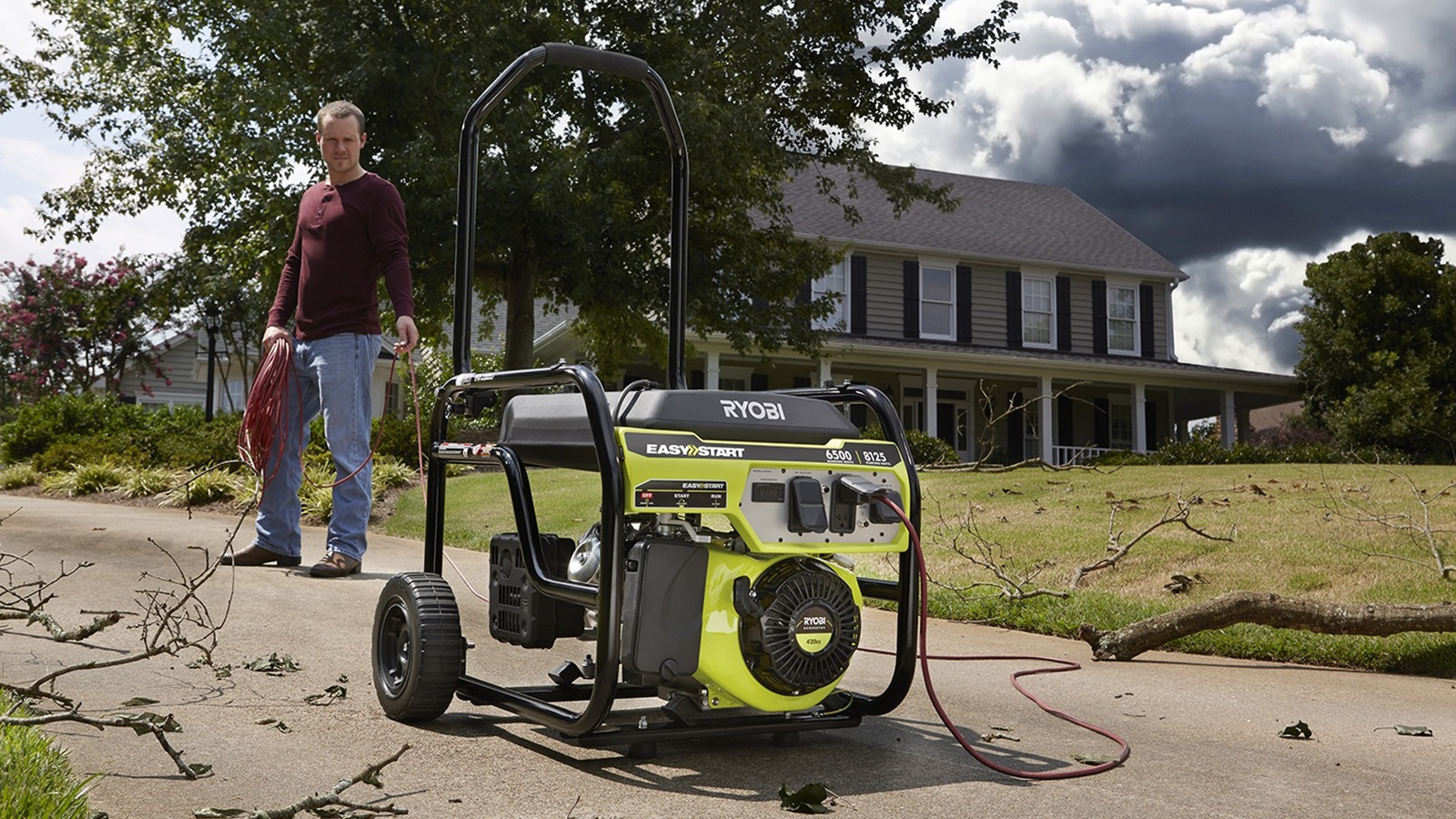
How Long Does A Generator Last On A Full Tank
Let's be honest, thinking about generators isn't exactly a thrill ride. But understanding how long your generator will purr away on a full tank? That's actually pretty darn useful! Whether you're facing a power outage, planning a camping trip, or just want to be prepared for anything, knowing your generator's run time can save you from a lot of headaches. Plus, there's something satisfying about knowing the ins and outs of your gear.
The big question, of course, is: How long does a generator last on a full tank? The answer, annoyingly, is "it depends!" But don't click away just yet! We'll break down the factors that affect run time and give you some practical tips to estimate yours.
Why Should You Care?
Must Read
For beginners, understanding generator run time is all about basic preparedness. Imagine a storm knocks out the power. Knowing your generator can keep the fridge running for, say, 8 hours, helps you plan when to refuel and prevent food spoilage.
Families prepping for emergencies need this information to ensure their essential appliances – lights, refrigerators, medical devices – stay powered during extended outages. Accurate run time estimates let you stock up on the right amount of fuel and avoid running out in the middle of the night. Safety is paramount, and knowing your generator's capabilities contributes to a safer emergency plan.

For hobbyists and outdoor adventurers, generator run time is crucial for powering tools at a remote worksite, keeping RV batteries charged on a camping trip, or running entertainment equipment for a tailgate party. Knowing how long you can run your equipment allows for better planning and a more enjoyable experience.
Factors Affecting Run Time: The Nitty-Gritty
Several factors influence how long your generator will last:
- Generator Size and Fuel Tank Capacity: Obviously, a larger fuel tank will generally result in longer run times.
- Load: The more appliances and devices you're powering (the load), the faster the fuel will deplete. Running just a few lights and a fan will consume less fuel than running an air conditioner and a TV.
- Fuel Type: Gasoline, propane, and diesel generators all have different fuel consumption rates.
- Generator Efficiency: Some generators are simply more fuel-efficient than others. Check the manufacturer's specifications for fuel consumption rates at different load levels.
Examples and Variations
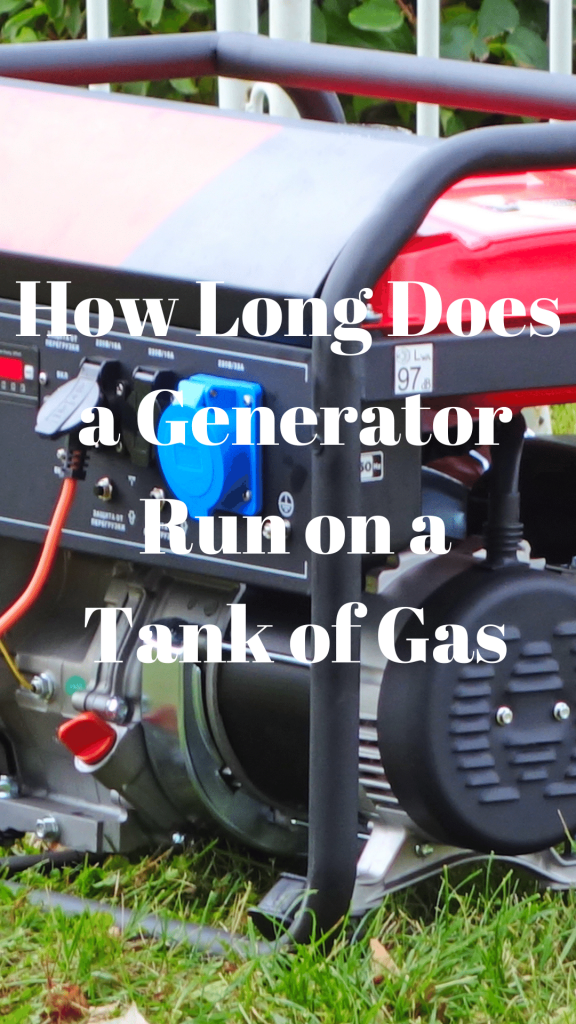
A small, portable gasoline generator with a 1-gallon tank might run for 4-8 hours at half load. A larger inverter generator with a 5-gallon tank could run for 12-20 hours at 25% load. A propane generator connected to a standard 20-pound propane tank might last for several days if only powering minimal loads.
Simple Tips to Get Started:
- Read the Manual: This is the golden rule. Your generator's manual will provide estimated run times at different load levels.
- Calculate Your Load: Determine the wattage of all the devices you plan to power simultaneously.
- Test It Out: Run your generator with your typical load and measure the fuel consumption over a set period. This is the most accurate way to estimate run time.
- Consider a Fuel Gauge: Some generators have built-in fuel gauges, making it easy to monitor fuel levels.
- Keep Extra Fuel Handy: Always store extra fuel safely and securely, following all safety guidelines.
Ultimately, understanding your generator's run time empowers you to be prepared for anything. It takes a little bit of research and planning, but the peace of mind and convenience are well worth the effort. So, grab your generator manual, do some calculations, and get ready to enjoy the reliable power you've planned for!