How Long Do Septic Systems Usually Last

Ah, the humble, often-forgotten, and truly magnificent septic system. For most of us who live in the country or beyond city sewer lines, it's a silent partner, a mysterious underground network that handles our household waste with nary a complaint. That is, until it does complain, usually with a gurgle, a slow drain, or, heaven forbid, a puddle where there shouldn’t be one. But for something so vital, how often do we stop to wonder: how long do these unsung heroes actually last?
If you're picturing a ticking time bomb buried in your backyard, ready to expire after a decade or two, you might be in for a delightful surprise. The truth is, a well-cared-for septic system can have an impressively long run, often outlasting many of the trends that come and go inside your home. We're talking about a lifespan that can span generations, making it less of a temporary fixture and more of a family heirloom – albeit one you never, ever want to dig up and inspect too closely at Thanksgiving dinner.
So, what's the magic number? While there's no single expiration date stamped on the tank when it's lowered into the ground, many conventional septic systems, especially their sturdy concrete tanks, can last anywhere from 20 to 40 years. But here's where it gets truly fascinating: with diligent care and a touch of good fortune, some systems have been known to soldier on for 50, 60, or even 70 years! Imagine that: a system installed when your grandparents were newlyweds, still quietly doing its duty today. It's enough to make you want to give your lawn a little pat and whisper, "Thanks, old friend."
Must Read
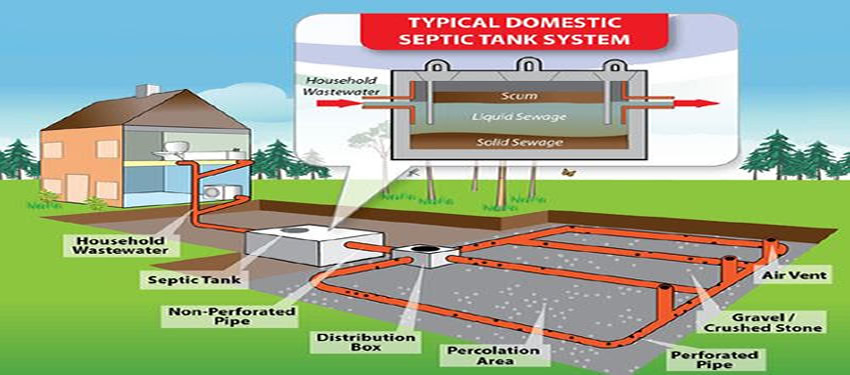
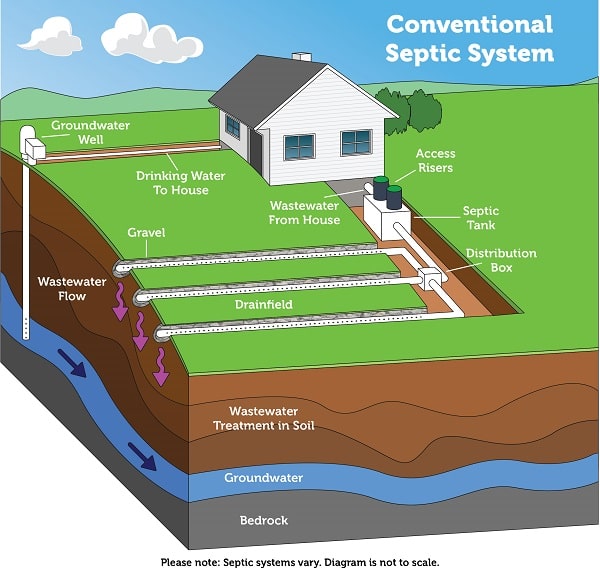
The real superstar of the septic world, and often the part that dictates the overall longevity, is the drain field (sometimes called the leach field). This is the network of pipes and gravel that filters the wastewater back into the soil. While the tank itself is incredibly durable, the drain field is a bit more delicate, relying on healthy soil and careful use. Think of the tank as the sturdy backbone, and the drain field as the hardworking lungs. If the drain field gets clogged or overstressed, that's usually when the party's over. But even these can last a good 20-30 years, sometimes more, with proper love and attention.
I once heard a story from an old-timer, Mr. Henderson, who lived in a charming, slightly crooked farmhouse that had been in his family since the 1940s. He swore that the original septic system, installed before indoor plumbing was even common in rural areas, was still chugging along. "Course, we dug a new leach field after the '78 blizzard," he'd chuckle, "but that old tank? Strong as an ox! Just needs a good pumpin' every few years, and a respectful conversation now and then." While his "conversations" might be unique, his point about regular maintenance is spot-on.
"That old tank? Strong as an ox! Just needs a good pumpin' every few years, and a respectful conversation now and then." — Mr. Henderson, on his 70+ year old septic system
The secret to these decades-long careers isn't rocket science, thankfully. It boils down to a few surprisingly simple habits. Avoiding harsh chemicals down the drain, being mindful of what goes into the system (no foreign objects, please!), conserving water, and, crucially, having your tank pumped regularly by a professional are the pillars of a long and happy septic life. It’s like feeding your trusty old car the right fuel and getting its oil changed – simple acts that pay off in spades.
So, the next time you flush, take a moment to appreciate the quiet miracle happening beneath your feet. Your septic system isn't just a utilitarian necessity; it's a testament to good engineering, smart design, and, with a little care, a remarkably resilient piece of your home's infrastructure. It’s a true unsung hero, working diligently for decades, ensuring your domestic comfort without ever asking for much more than a respectful pump and maybe, just maybe, a quiet word of thanks. Who knew something buried underground could bring such a heartwarming sense of security and longevity?